Blue Oat Grass Care & Identification Guide
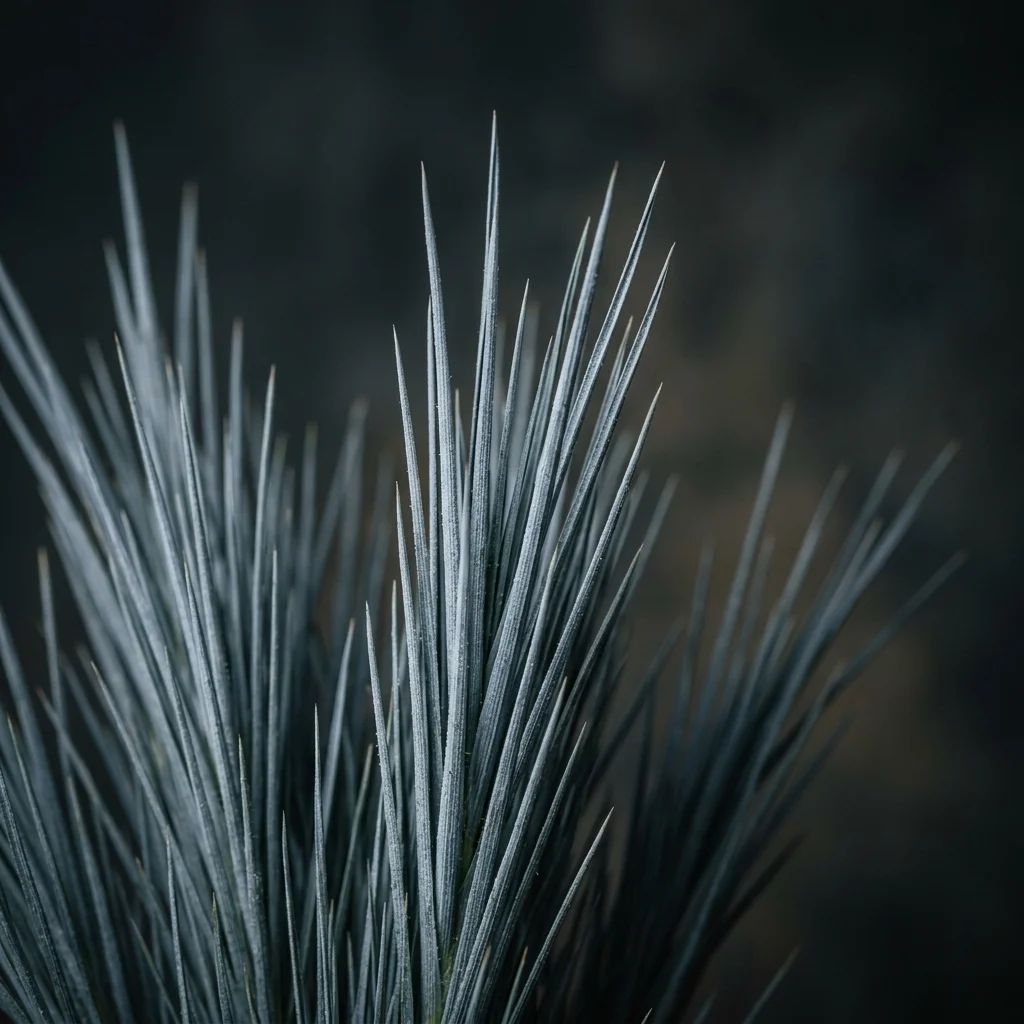
Blue Oat Grass is a stunning, cool-season ornamental grass, famous for its highly rigid, strictly linear steel-blue spiky leaves coated in an intense silvery-glaucous waxy layer. Forming a perfect, tidy semi-spherical dome, it is widely regarded as a premium specimen for rock gardens, dry borders, and Mediterranean-themed landscapes.





How to Identify Blue Oat Grass
Blue Oat Grass (Helictotrichon sempervirens) is a remarkable botanical species widely appreciated for its unique aesthetic and structural appeal. Recognizing its definitive visual traits is key to distinguishing it from other similar plants.
-
✔
Key Visual Features: Key Visual Features: Robust upright culms with swollen joint nodes, ending in dense ornamental flower spikes or rippling grain heads.
-
✔
Color Variations: Color Variations: Bright green foliage during spring growth, turning into warm amber, straw-yellow, or bronze seed heads as they mature.
-
✔
Common Confusions: Common Confusions: Resembles lawn turf when young, but easily recognized at maturity by wide leaves, coarse stems, and heavy seed panicles.
Complete Care & Cultivation Guide
Follow our detailed scientific care guide to keep your Blue Oat Grass thriving and gorgeous all year round.
Common Diseases & Treatment
Root Rot (Overwatering)
Symptoms: Leaves turn soft and yellow at the base, shrivel and drop prematurely, accompanied by a mushy root system and foul soil odor.
Powdery Mildew
Symptoms: A dusty white or gray powdery coating spreads across the broad leaves, causing distorted growth in stagnant rooms.
Frequently Asked Questions
Q: Why is my Blue Oat Grass turning green and losing its blue color?
A: Loss of blue color is caused by too much shade or excessive water and fertilizer. The steel-blue color is a result of a protective waxy powder on the leaves. In shade or high-moisture conditions, the plant stops producing this glaucous coating, making the leaf turn green. Move the plant to a drier, sunnier location.
Q: How do I clean up Blue Oat Grass in spring?
A: Because Helictotrichon is a cool-season evergreen, do not cut it back to the ground in spring like deciduous grasses. Doing so can kill the plant. Instead, wear gloves and gently comb through the foliage with your fingers or a small rake to pull out dead, brown blades, leaving the healthy blue leaves intact.
Q: What is the difference between Blue Oat Grass and Blue Fescue?
A: While both offer striking steel-blue foliage, Blue Oat Grass (Helictotrichon) is much larger, forming a dome that grows 2 to 3 feet tall and wide. Blue Fescue (Festuca glauca) is a miniature grass, typically forming small tufts only 8 to 12 inches tall. Blue Oat Grass also has much wider, stiffer leaf blades.
Q: Why is my Blue Oat Grass dying out in the center?
A: Center die-out is common in older clumps, especially in hot, humid summer climates. Blue Oat Grass hates high humidity combined with wet soil. If the center begins to die, dig up the plant in early autumn, divide the healthy outer rings, and replant them in fresh, gravelly soil.