Cattail Care & Identification Guide
Cattail is an iconic, highly robust wetland perennial grass-like plant, famous for its exceptionally solid, dense brown sausage-like velvety cylindrical female spikes topped by narrow male flowers. Thriving in shallow waters, it serves as a highly efficient ecological water filter and shoreline stabilizer in lakes, ponds, and retention marshes.





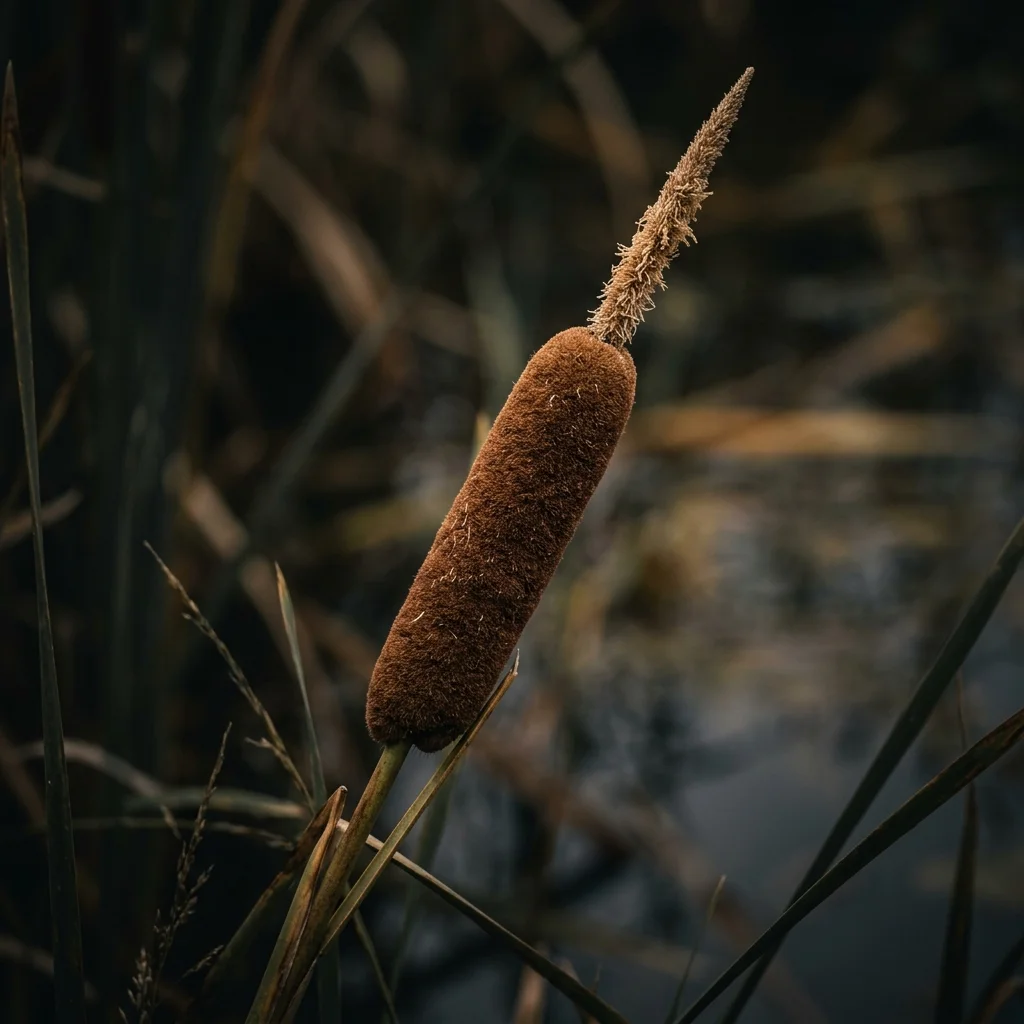
How to Identify Cattail
Cattail (Typha latifolia) is a remarkable botanical species widely appreciated for its unique aesthetic and structural appeal. Recognizing its definitive visual traits is key to distinguishing it from other similar plants.
-
✔
Key Visual Features: Key Visual Features: Stiff, solid triangular or round vertical stems rising in graceful clumps directly from strong underground rhizomes.
-
✔
Color Variations: Color Variations: Vivid emerald greens, chartreuse, rich bronze, or cream-striped blades depending on the potted cultivar.
-
✔
Common Confusions: Common Confusions: Often mistaken for true ornamental grasses, but easily distinguished in pots by their solid stems and three-ranked foliage arrangement.
Complete Care & Cultivation Guide
Follow our detailed scientific care guide to keep your Cattail thriving and gorgeous all year round.
Common Diseases & Treatment
Root Rot (Overwatering)
Symptoms: Leaves turn soft and yellow at the base, shrivel and drop prematurely, accompanied by a mushy root system and foul soil odor.
Foliage Rust
Symptoms: Small powdery orange or brown pustules appear on the linear leaves under humid, poorly ventilated indoor conditions.
Frequently Asked Questions
Q: How aggressively does Broadleaf Cattail spread in a pond?
A: Very aggressively. Typha latifolia spreads via both wind-dispersed seeds and running underground rhizomes. A single colony can rapidly choke out open water. In residential garden ponds, always plant them in sturdy, closed plastic containers to restrict root spread.
Q: Are Cattails beneficial for pond water quality?
A: Yes! Cattails are outstanding ecological filters. Their roots actively absorb excess nutrients, agricultural runoffs, and heavy metals from the water, which helps prevent toxic algae blooms and maintains overall aquatic ecological balance.
Q: Why is my Cattail spike exploding into fluffy white cotton?
A: This is a natural part of the plant's reproductive cycle in late autumn or winter. The velvety brown spike is composed of thousands of tightly packed seeds wrapped in fine hairs. As the spike dries, it breaks apart to release these wind-dispersed seeds.
Q: Is Broadleaf Cattail edible?
A: Yes, Cattail is historically celebrated as a survival food. The young spring shoots taste like cucumbers, the green flower spikes can be cooked like corn, and the thick roots are rich in starch. However, never harvest them from urban or polluted runoff basins, as they accumulate heavy metals.