Emmer Wheat Care & Identification Guide
Emmer Wheat is a highly spectacular, historically vital ancient hulled perennial wheat, famous as one of the central 'founder crops' of Near East agriculture. It is a premier pioneer cereal that witnessed the dawn of human civilization and settled farming.





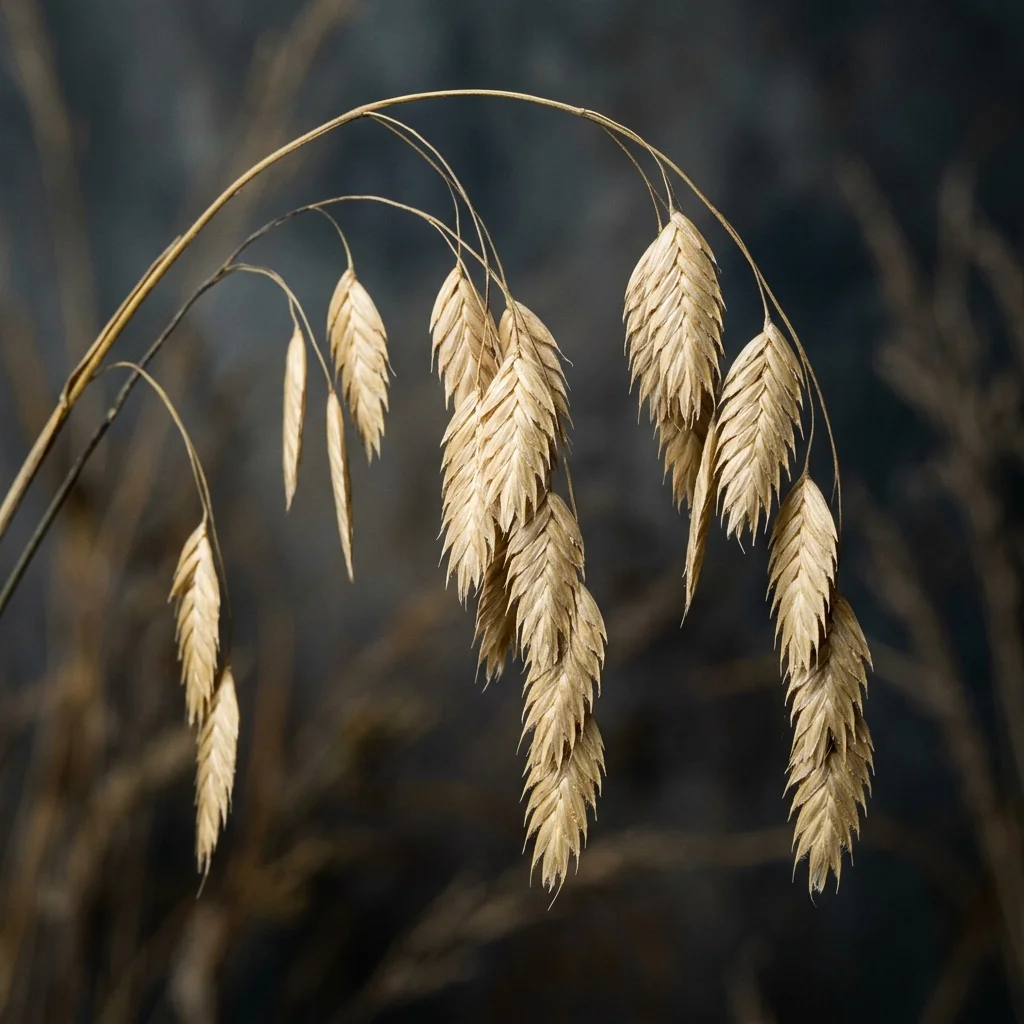
How to Identify Emmer Wheat
Emmer Wheat (Triticum dicoccum) is a remarkable botanical species widely appreciated for its unique aesthetic and structural appeal. Recognizing its definitive visual traits is key to distinguishing it from other similar plants.
-
✔
Key Visual Features: Key Visual Features: Robust upright culms with swollen joint nodes, ending in dense ornamental flower spikes or rippling grain heads.
-
✔
Color Variations: Color Variations: Bright green foliage during spring growth, turning into warm amber, straw-yellow, or bronze seed heads as they mature.
-
✔
Common Confusions: Common Confusions: Resembles lawn turf when young, but easily recognized at maturity by wide leaves, coarse stems, and heavy seed panicles.
Complete Care & Cultivation Guide
Follow our detailed scientific care guide to keep your Emmer Wheat thriving and gorgeous all year round.
Common Diseases & Treatment
Root Rot (Overwatering)
Symptoms: Leaves turn soft and yellow at the base, shrivel and drop prematurely, accompanied by a mushy root system and foul soil odor.
Powdery Mildew
Symptoms: A dusty white or gray powdery coating spreads across the broad leaves, causing distorted growth in stagnant rooms.
Frequently Asked Questions
Q: What makes Emmer Wheat different from modern wheat?
A: Emmer Wheat (Triticum dicoccum) is a hulled wheat, meaning its grains are enclosed in extremely tough, tight protective casings (hulls) that do not break easily during harvest, unlike modern free-threshing wheat.
Q: What is Farro in Italian cooking?
A: In Italy, Farro refers to three ancient hulled grains. Emmer Wheat is specifically celebrated as Farro Medio, highly prized for its nutty flavor and chewy texture in gourmet soups, salads, and pasta.
Q: Is Emmer Wheat high in gluten?
A: It contains gluten, but its gluten structure is far more delicate and water-soluble than that of highly modified modern hybrid wheat, making it often easier to digest for people with mild wheat sensitivities.
Q: Is Emmer Wheat safe for domestic cats and dogs?
A: Yes! Uniola or Triticum dicoccum is entirely non-toxic and highly safe for all domestic pets.