Feather Sedge Care & Identification Guide
Feather Sedge, also known as Plume Sedge, is an exceptionally unique, fine-textured evergreen sedge, prized for its exceptionally soft, highly textured fine-cut emerald leaves clump resembling dense soft green bird feathers growing gracefully over damp rocks. Excellent for stream beds.





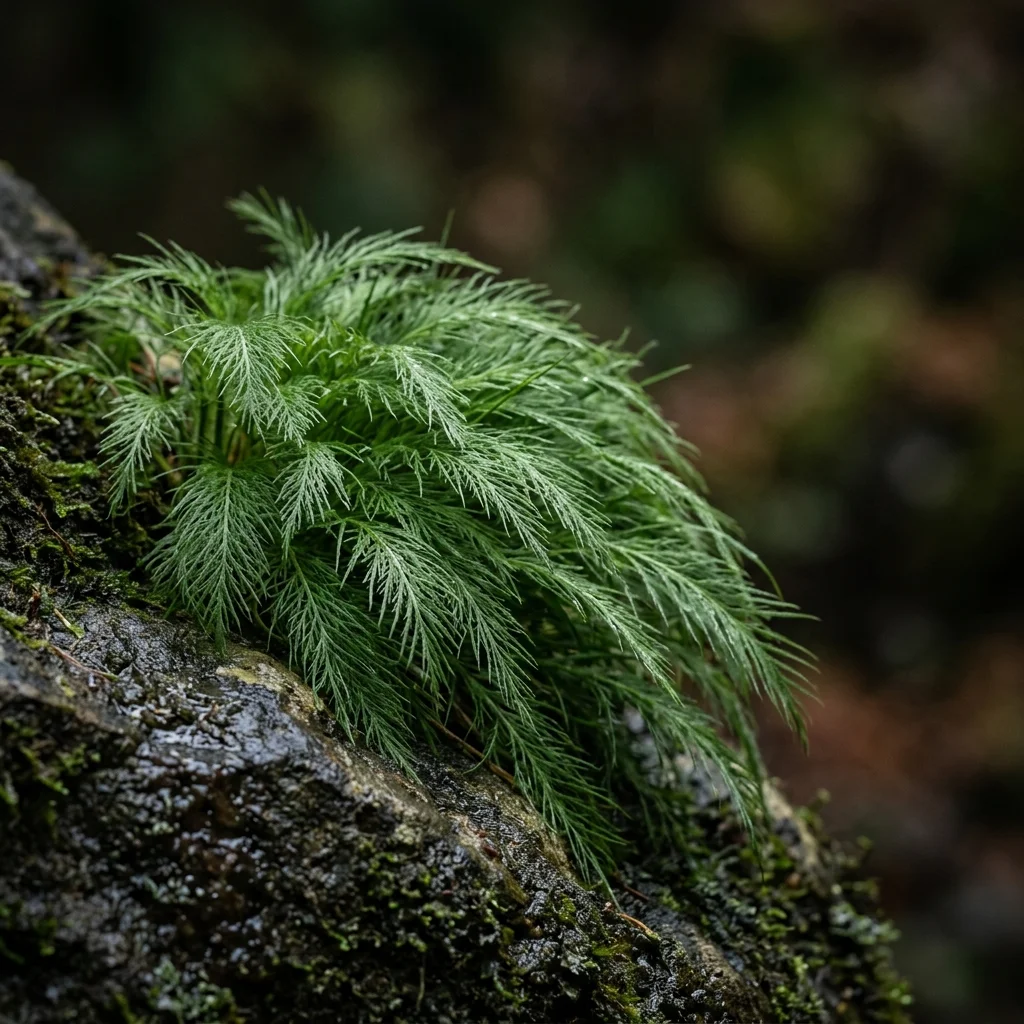
How to Identify Feather Sedge
Feather Sedge (Carex plumosa) is a remarkable botanical species widely appreciated for its unique aesthetic and structural appeal. Recognizing its definitive visual traits is key to distinguishing it from other similar plants.
-
✔
Key Visual Features: Key Visual Features: Stiff, solid triangular or round vertical stems rising in graceful clumps directly from strong underground rhizomes.
-
✔
Color Variations: Color Variations: Vivid emerald greens, chartreuse, rich bronze, or cream-striped blades depending on the potted cultivar.
-
✔
Common Confusions: Common Confusions: Often mistaken for true ornamental grasses, but easily distinguished in pots by their solid stems and three-ranked foliage arrangement.
Complete Care & Cultivation Guide
Follow our detailed scientific care guide to keep your Feather Sedge thriving and gorgeous all year round.
Common Diseases & Treatment
Root Rot (Overwatering)
Symptoms: Leaves turn soft and yellow at the base, shrivel and drop prematurely, accompanied by a mushy root system and foul soil odor.
Foliage Rust
Symptoms: Small powdery orange or brown pustules appear on the linear leaves under humid, poorly ventilated indoor conditions.
Frequently Asked Questions
Q: Why is it called 'Feather Sedge'?
A: The common name comes from the exceptionally fine, soft, and dense texture of its foliage. Unlike typical coarse sedges, Carex plumosa has highly divided, feather-like emerald leaves that feel completely soft to the touch, resembling dense forest bird feathers.
Q: Can Feather Sedge grow directly on wet rocks?
A: Yes! Carex plumosa is specialized for rock margins. It can grow successfully on wet, mossy river rocks if there is a thin layer of organic silt and constant moisture from splashing stream water.
Q: Does Feather Sedge tolerate dry soils?
A: No. Feather Sedge has very thin, delicate leaves that evaporate water quickly. It will rapidly dry out, turn brown, and die in dry, sandy, or full-sun garden spots. It demands consistently wet or saturated shade.
Q: Is Feather Sedge toxic to cats and dogs?
A: No, Carex plumosa is completely non-toxic and highly safe for all domestic pets, making it a beautiful, worry-free choice for residential water gardens.