Fountain Grass Care & Identification Guide
Fountain Grass is a highly popular warm-season ornamental grass, prized for its arching, fountain-like mound of narrow leaves topped by fuzzy, bottle-brush flower spikes. The purple-tinted plumes are densely covered in soft, glistening involucre bristles that look incredibly dramatic when backlit by the autumn sun. It brings unmatched texture, soft movement, and rich coppery color to garden borders.





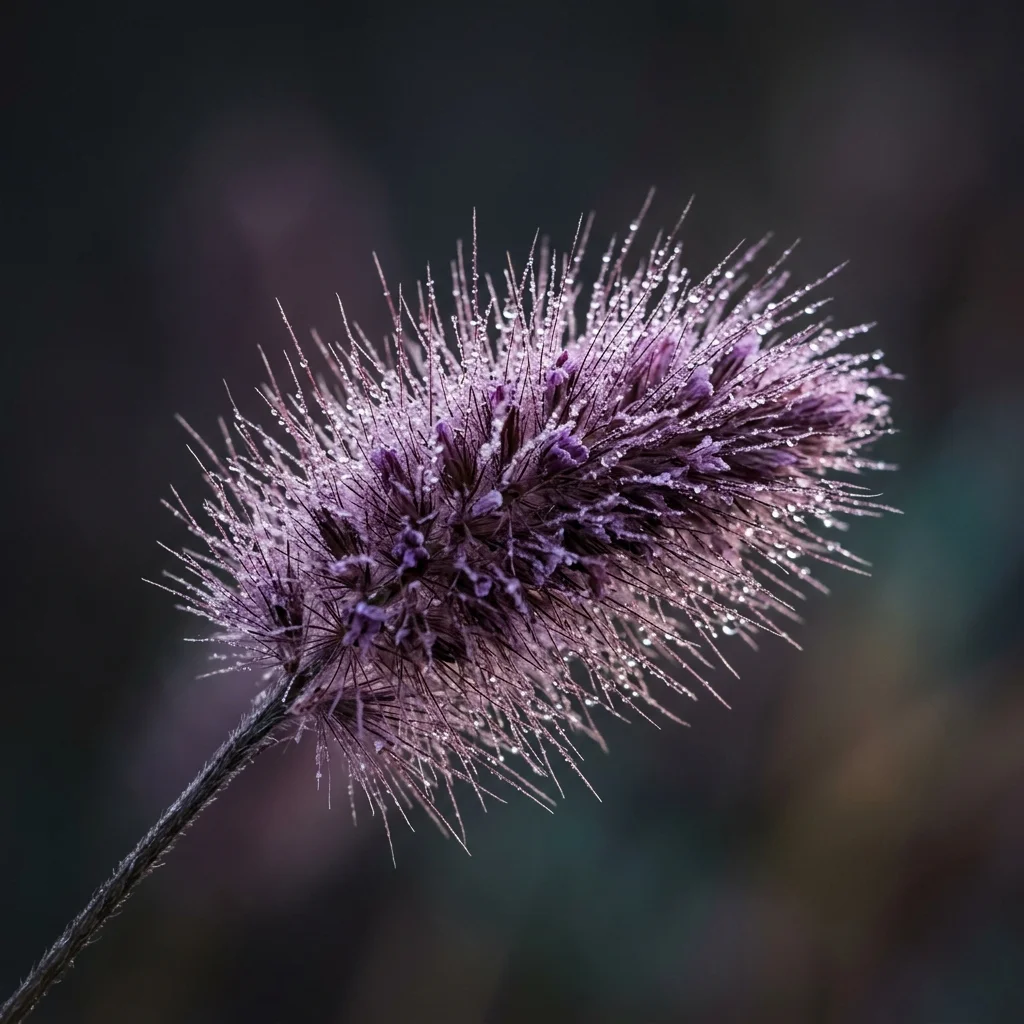
How to Identify Fountain Grass
Fountain Grass (Pennisetum alopecuroides) is a remarkable botanical species widely appreciated for its unique aesthetic and structural appeal. Recognizing its definitive visual traits is key to distinguishing it from other similar plants.
-
✔
Key Visual Features: Key Visual Features: Dense arching clumps of narrow linear foliage, topped in summer by feathery, bottle-brush, or metallic flower panicles.
-
✔
Color Variations: Color Variations: Blue-grey blades, warm golden stripes, pink-flushed panicles, or waxy emerald foliage.
-
✔
Common Confusions: Common Confusions: Resembles wild lawn weeds when small, but recognized by their tight, neat clumping growth and showy tall flower spikes.
Complete Care & Cultivation Guide
Follow our detailed scientific care guide to keep your Fountain Grass thriving and gorgeous all year round.
Common Diseases & Treatment
Root Rot (Overwatering)
Symptoms: Leaves turn soft and yellow at the base, shrivel and drop prematurely, accompanied by a mushy root system and foul soil odor.
Foliage Rust
Symptoms: Small powdery orange or brown pustules appear on the linear leaves under humid, poorly ventilated indoor conditions.
Frequently Asked Questions
Q: Does Pennisetum alopecuroides self-seed aggressively in the garden?
A: Yes, some fertile varieties of species Fountain Grass can self-sow in garden beds, leading to seedlings that need to be hand-pulled. To prevent this, many modern gardeners grow sterile cultivars such as 'Hameln' or 'Little Bunny' which produce minimal or sterile seeds, or they shear off the flower heads in late autumn before they disperse.
Q: Why are the leaves of my Fountain Grass turning yellow in mid-summer?
A: Mid-summer yellowing is typically a sign of waterlogged soil or poor drainage. Pennisetum loves moisture but requires good drainage; constant wet feet lead to root suffocation and nutrient chlorosis. Ensure the soil drains quickly and let it dry out slightly between waterings.
Q: How cold-hardy is Chinese Fountain Grass?
A: Pennisetum alopecuroides is typically cold-hardy down to USDA Zone 5 (-20°F or -29°C). In cold northern zones, applying a thick layer of organic mulch around the crown in late autumn helps protect the plant from severe frost heaving and extreme winter wind chill.
Q: Can I use the bottle-brush plumes for dried flower arrangements?
A: Absolutely! The fuzzy spikes make excellent additions to fresh or dried floral displays. Cut the stems just as the flowers fully open but before they start shedding seeds, and hang them upside down in a dark, dry, well-ventilated room to dry.