Giant Sedge Care & Identification Guide
Giant Sedge, also known as Pendulous Sedge, is a colossal, highly architectural native European shade sedge, prized for its extremely long, weeping pendulous catkin-like pale green seed spikes arching gracefully downward like elegant tassels. It brings monumental scale and fluid motion to damp shade.





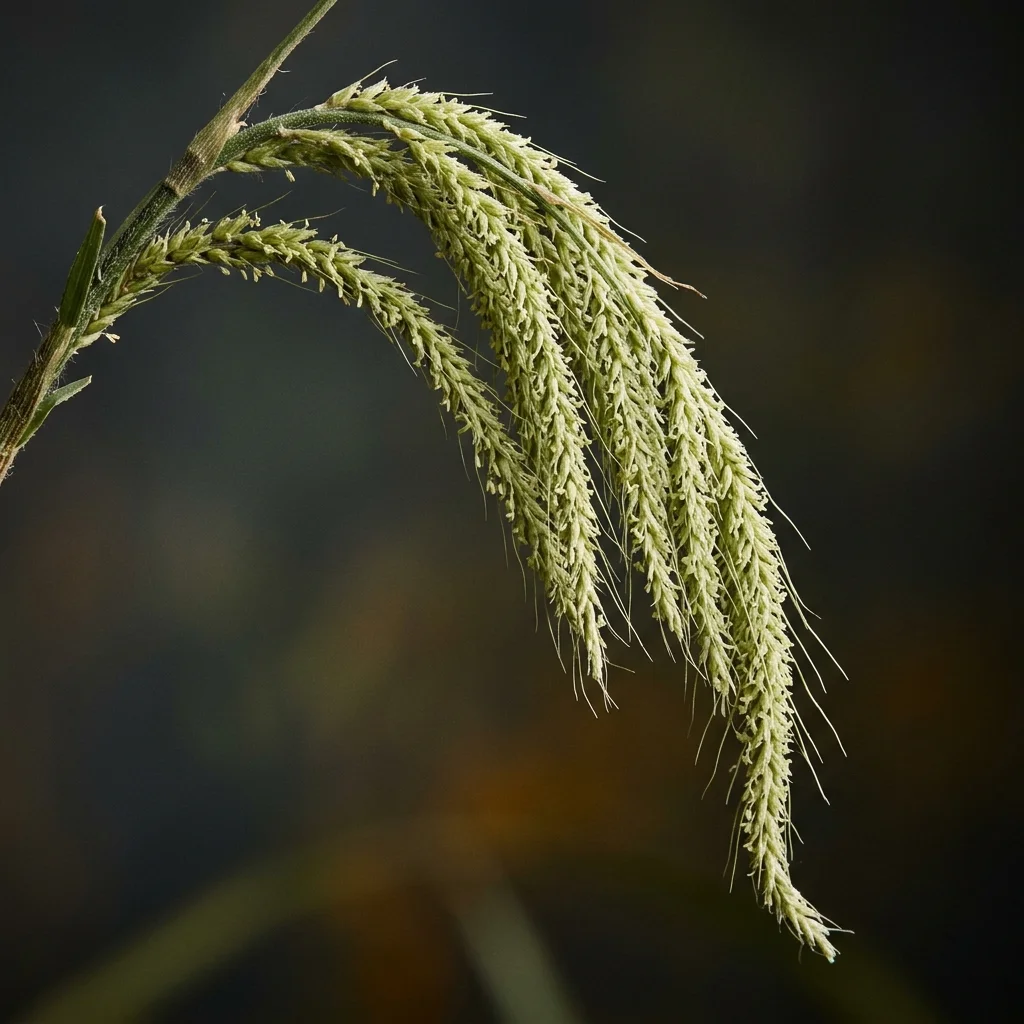
How to Identify Giant Sedge
Giant Sedge (Carex pendula) is a remarkable botanical species widely appreciated for its unique aesthetic and structural appeal. Recognizing its definitive visual traits is key to distinguishing it from other similar plants.
-
✔
Key Visual Features: Key Visual Features: Stiff, solid triangular or round vertical stems rising in graceful clumps directly from strong underground rhizomes.
-
✔
Color Variations: Color Variations: Vivid emerald greens, chartreuse, rich bronze, or cream-striped blades depending on the potted cultivar.
-
✔
Common Confusions: Common Confusions: Often mistaken for true ornamental grasses, but easily distinguished in pots by their solid stems and three-ranked foliage arrangement.
Complete Care & Cultivation Guide
Follow our detailed scientific care guide to keep your Giant Sedge thriving and gorgeous all year round.
Common Diseases & Treatment
Root Rot (Overwatering)
Symptoms: Leaves turn soft and yellow at the base, shrivel and drop prematurely, accompanied by a mushy root system and foul soil odor.
Foliage Rust
Symptoms: Small powdery orange or brown pustules appear on the linear leaves under humid, poorly ventilated indoor conditions.
Frequently Asked Questions
Q: How tall does Carex pendula grow?
A: Giant Sedge is one of the largest sedges in the world. The dark green foliage fountain reaches about 3 feet tall and wide, while the spectacular arching flowering stalks can rise up to 4 to 5 feet, creating a monumental architectural presence.
Q: Does Giant Sedge tolerate heavy, damp clay soil?
A: Yes! Carex pendula is highly specialized for wet, heavy, and compacted clay soils characterized by poor aeration. Its robust roots break up compacted clay and help stabilize damp soil banks next to streams.
Q: Is Giant Sedge evergreen?
A: Yes, in most climates, Giant Sedge is fully evergreen. Its robust, wide dark green leaves remain completely colorful and rigid throughout freezing winter conditions, providing outstanding structural presence.
Q: How can I prevent Giant Sedge from self-seeding?
A: Because Carex pendula produces thousands of seeds on its beautiful pendulous spikes, it can self-seed in damp, open soil. To easily control it, prune the flowering stalks off in mid-summer after blooming and before the seeds ripen.