Mountain Sedge Care & Identification Guide
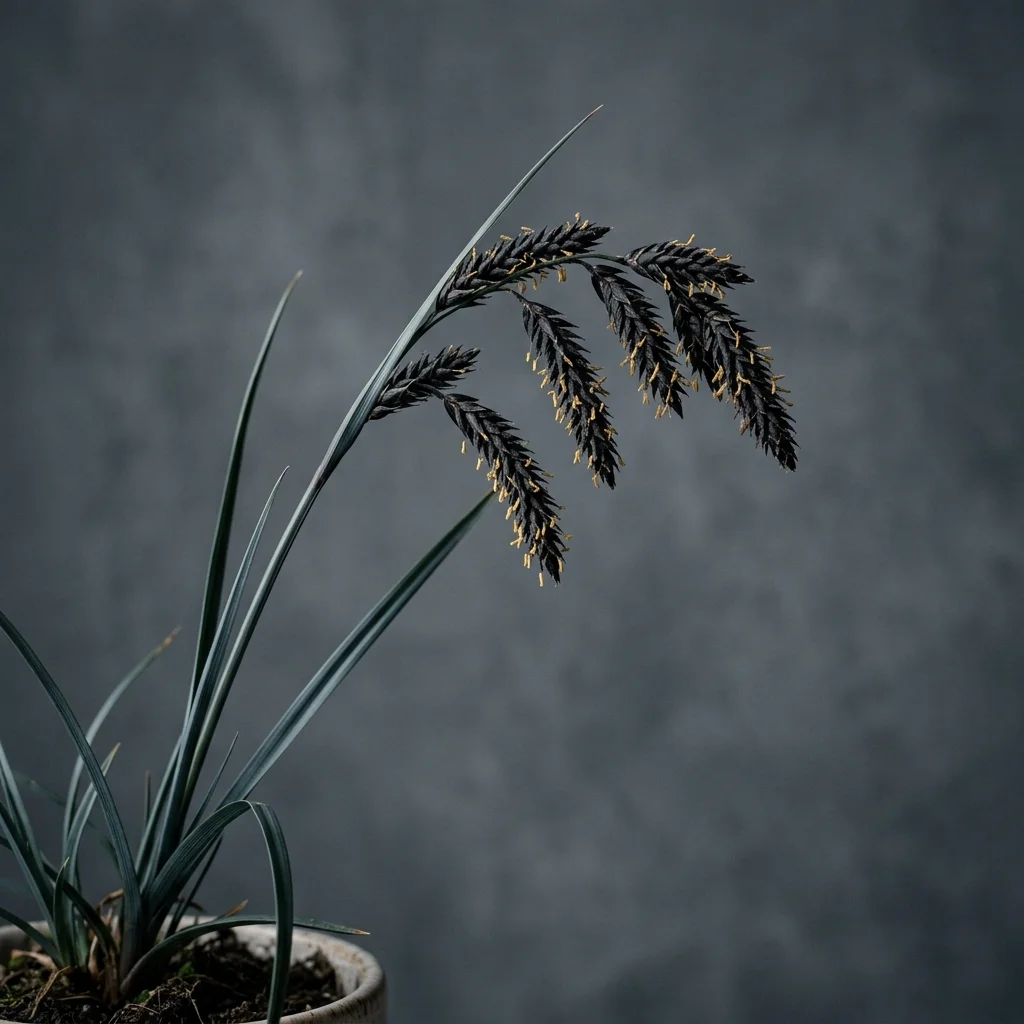
Mountain Sedge is a highly structural, cold-hardy wild perennial sedge, iconic for its dramatic nodding flower heads of a deep, dark charcoal-black contrasted by bright golden stamens. It is the premier dark sentinel of high subalpine rock faces.





How to Identify Mountain Sedge
Mountain Sedge (Carex atrata) is a remarkable botanical species widely appreciated for its unique aesthetic and structural appeal. Recognizing its definitive visual traits is key to distinguishing it from other similar plants.
-
✔
Key Visual Features: Key Visual Features: Stiff, solid triangular or round vertical stems rising in graceful clumps directly from strong underground rhizomes.
-
✔
Color Variations: Color Variations: Vivid emerald greens, chartreuse, rich bronze, or cream-striped blades depending on the potted cultivar.
-
✔
Common Confusions: Common Confusions: Often mistaken for true ornamental grasses, but easily distinguished in pots by their solid stems and three-ranked foliage arrangement.
Complete Care & Cultivation Guide
Follow our detailed scientific care guide to keep your Mountain Sedge thriving and gorgeous all year round.
Common Diseases & Treatment
Root Rot (Overwatering)
Symptoms: Leaves turn soft and yellow at the base, shrivel and drop prematurely, accompanied by a mushy root system and foul soil odor.
Foliage Rust
Symptoms: Small powdery orange or brown pustules appear on the linear leaves under humid, poorly ventilated indoor conditions.
Frequently Asked Questions
Q: Why are the flower heads of Mountain Sedge so dark black?
A: The deep charcoal-black color of Carex atrata spikelets helps absorb maximum solar heat in cool, high-altitude environments, warming the reproductive parts to speed up pollination and seed development.
Q: Does Mountain Sedge require constantly wet soil?
A: While it loves moisture and grows near high-altitude mountain streams, it requires gritty, well-draining soil and does not tolerate standing, stagnant water.
Q: What is the average height of Carex atrata?
A: It typically grows in compact, neat clumps between 12 to 24 inches tall, making it perfect for borders and rocky edge accents.
Q: Is Mountain Sedge safe for domestic pets?
A: Yes! Carex atrata is completely non-toxic and safe for dogs, cats, and all domestic livestock.