Palm Sedge Care & Identification Guide
Palm Sedge is an exceptionally unique, highly structural native North American wet-shade sedge, prized for its layered leaves arranged symmetrically along upright stalks, looking exactly like miniature green palm trees. It is the premier structural selection for damp shade and rain gardens.





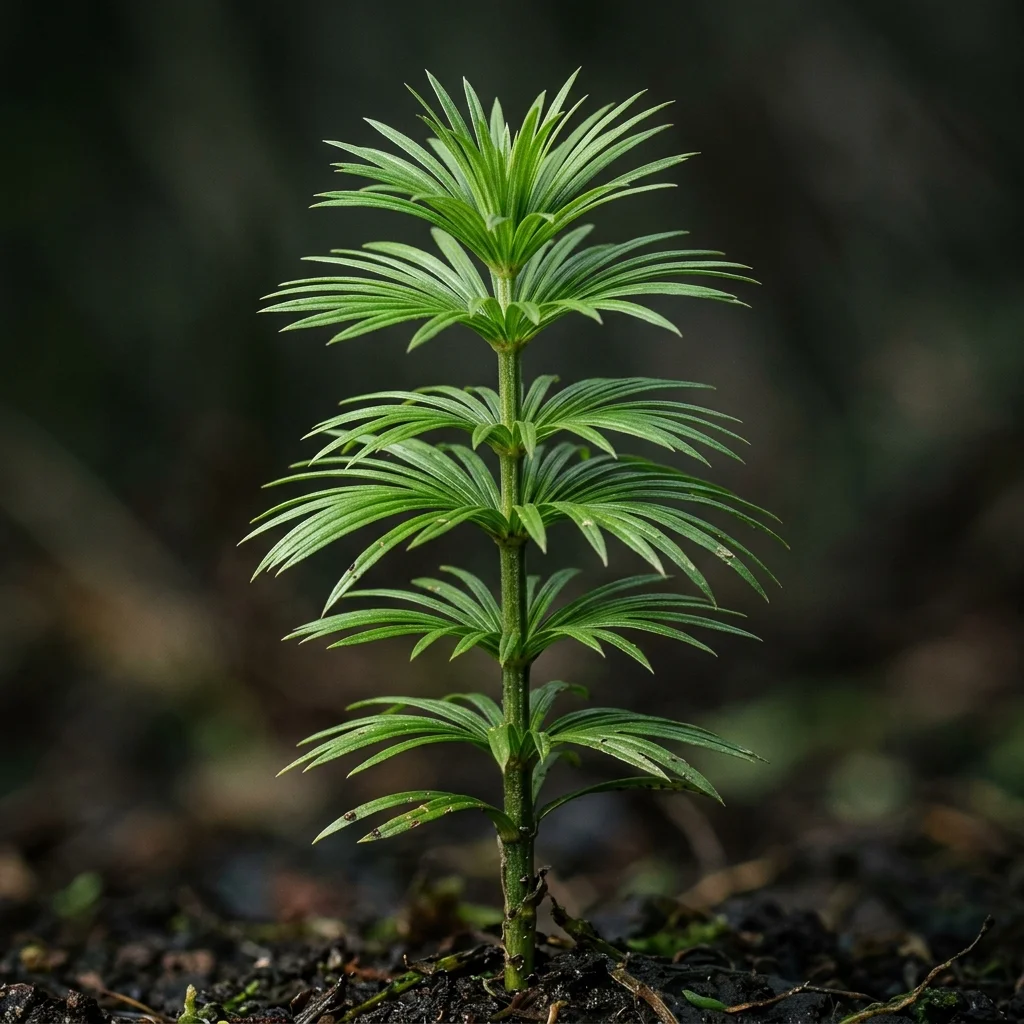
How to Identify Palm Sedge
Palm Sedge (Carex muskingumensis) is a remarkable botanical species widely appreciated for its unique aesthetic and structural appeal. Recognizing its definitive visual traits is key to distinguishing it from other similar plants.
-
✔
Key Visual Features: Key Visual Features: Stiff, solid triangular or round vertical stems rising in graceful clumps directly from strong underground rhizomes.
-
✔
Color Variations: Color Variations: Vivid emerald greens, chartreuse, rich bronze, or cream-striped blades depending on the potted cultivar.
-
✔
Common Confusions: Common Confusions: Often mistaken for true ornamental grasses, but easily distinguished in pots by their solid stems and three-ranked foliage arrangement.
Complete Care & Cultivation Guide
Follow our detailed scientific care guide to keep your Palm Sedge thriving and gorgeous all year round.
Common Diseases & Treatment
Root Rot (Overwatering)
Symptoms: Leaves turn soft and yellow at the base, shrivel and drop prematurely, accompanied by a mushy root system and foul soil odor.
Foliage Rust
Symptoms: Small powdery orange or brown pustules appear on the linear leaves under humid, poorly ventilated indoor conditions.
Frequently Asked Questions
Q: Why is it called 'Palm Sedge'?
A: The common name comes from the highly unique, horizontal arrangement of its leaves along the upright, rigid stems. The leaves spread outward symmetrically from a central stalk in three directions, looking exactly like a miniature tropical palm tree.
Q: Can Palm Sedge grow in standing water?
A: Yes! Carex muskingumensis is a native wetland plant that is highly adapted to seasonal floodplains. It can tolerate standing water up to 3 to 4 inches deep, making it a premier plant for shaded rain gardens and pond margins.
Q: Does Palm Sedge spread invasively?
A: No. Palm Sedge is a slowly expanding clump-forming bunchgrass that grows outward from a tight central crown. It does not produce aggressive runners, making it highly reliable and safe for formal garden borders.
Q: What happens to Palm Sedge in the winter?
A: Palm Sedge is deciduous. The foliage turns a beautiful golden-bronze in autumn, dries, and eventually breaks down in winter. Cut the entire plant back to about 2 inches in late winter or early spring before new growth starts.