Porcupine Grass Care & Identification Guide
Porcupine Grass is an exceptionally rigid, highly architectural ornamental grass, prized for its strictly upright, spiky light green leaves crossing with exceptionally sharp, bold horizontal yellow bands. It serves as a premier, narrow vertical accent for modern landscapes.





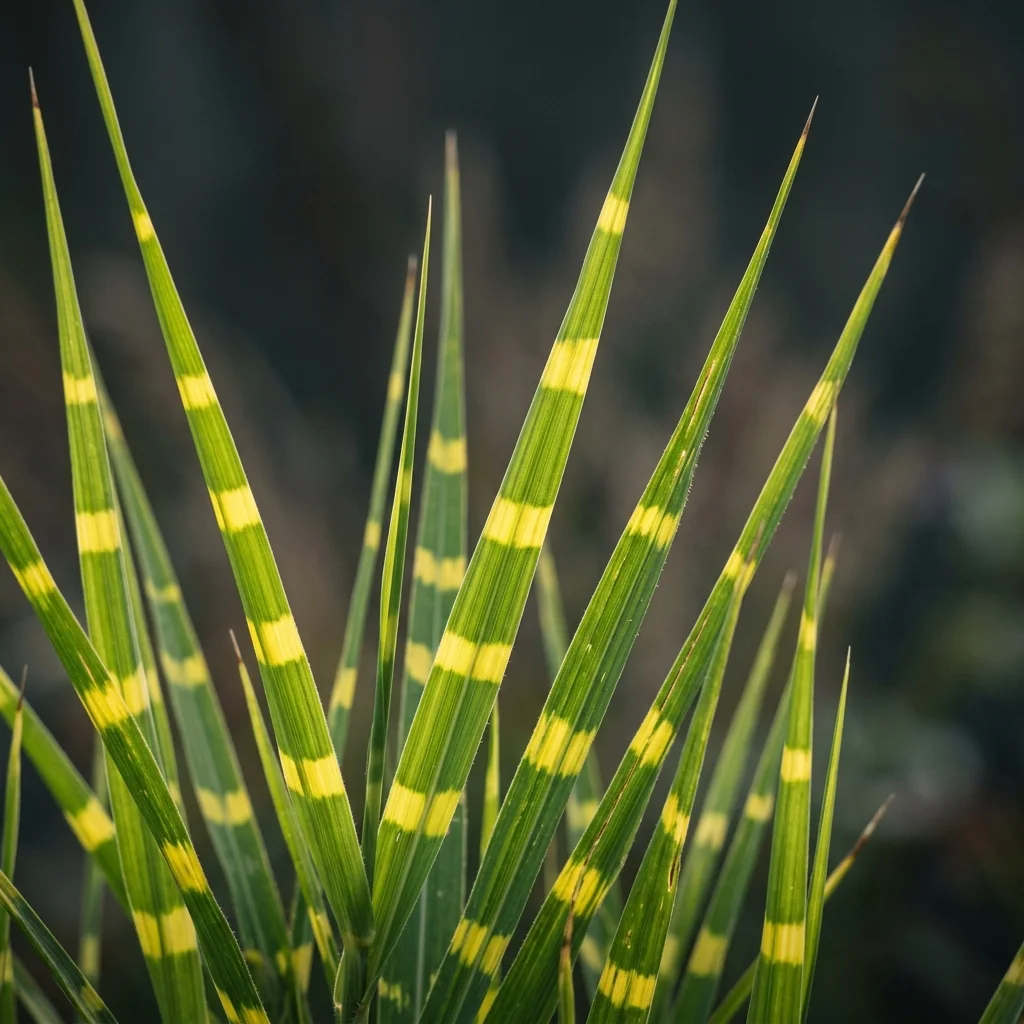
How to Identify Porcupine Grass
Porcupine Grass (Miscanthus sinensis 'Strictus') is a remarkable botanical species widely appreciated for its unique aesthetic and structural appeal. Recognizing its definitive visual traits is key to distinguishing it from other similar plants.
-
✔
Key Visual Features: Key Visual Features: Towering culms with wooden nodes and dry leaf sheaths, producing clusters of elegant drooping narrow leaves.
-
✔
Color Variations: Color Variations: Solid forest green, lemon-yellow canes with dark pinstripes, or beautifully variegated green-and-white foliage.
-
✔
Common Confusions: Common Confusions: Reeds can resemble running bamboo, but can be distinguished by their soft herbaceous canes that do not turn fully into wood.
Complete Care & Cultivation Guide
Follow our detailed scientific care guide to keep your Porcupine Grass thriving and gorgeous all year round.
Common Diseases & Treatment
Root Rot (Overwatering)
Symptoms: Leaves turn soft and yellow at the base, shrivel and drop prematurely, accompanied by a mushy root system and foul soil odor.
Powdery Mildew
Symptoms: A dusty white or gray powdery coating spreads across the broad leaves, causing distorted growth in stagnant rooms.
Frequently Asked Questions
Q: How does Porcupine Grass differ from Zebra Grass?
A: While both feature horizontal yellow stripes, Porcupine Grass ('Strictus') has a strictly upright, highly rigid, and spiky growth habit that never flops. Zebra Grass ('Zebrinus') has a highly arching, weeping fountain-like shape that arches outward.
Q: Why is my Porcupine Grass flopping over?
A: Flopping is almost always caused by insufficient sunlight or over-fertilization. Miscanthus 'Strictus' requires full sun to develop its strong, rigid upright stems. Avoid nitrogen-rich fertilizers, which cause weak, floppy growth.
Q: How tall does Porcupine Grass grow?
A: Porcupine Grass grows in a tight, narrow upright clump reaching about 5 to 6 feet tall, and can rise up to 8 feet tall when its beautiful bronze flower plumes emerge in late summer.
Q: Is Porcupine Grass toxic to horses or pets?
A: No, Miscanthus sinensis 'Strictus' is completely non-toxic and highly safe for all pets, horses, and livestock, making it highly reliable for rural or residential borders.