Purple Three-Awn Care & Identification Guide
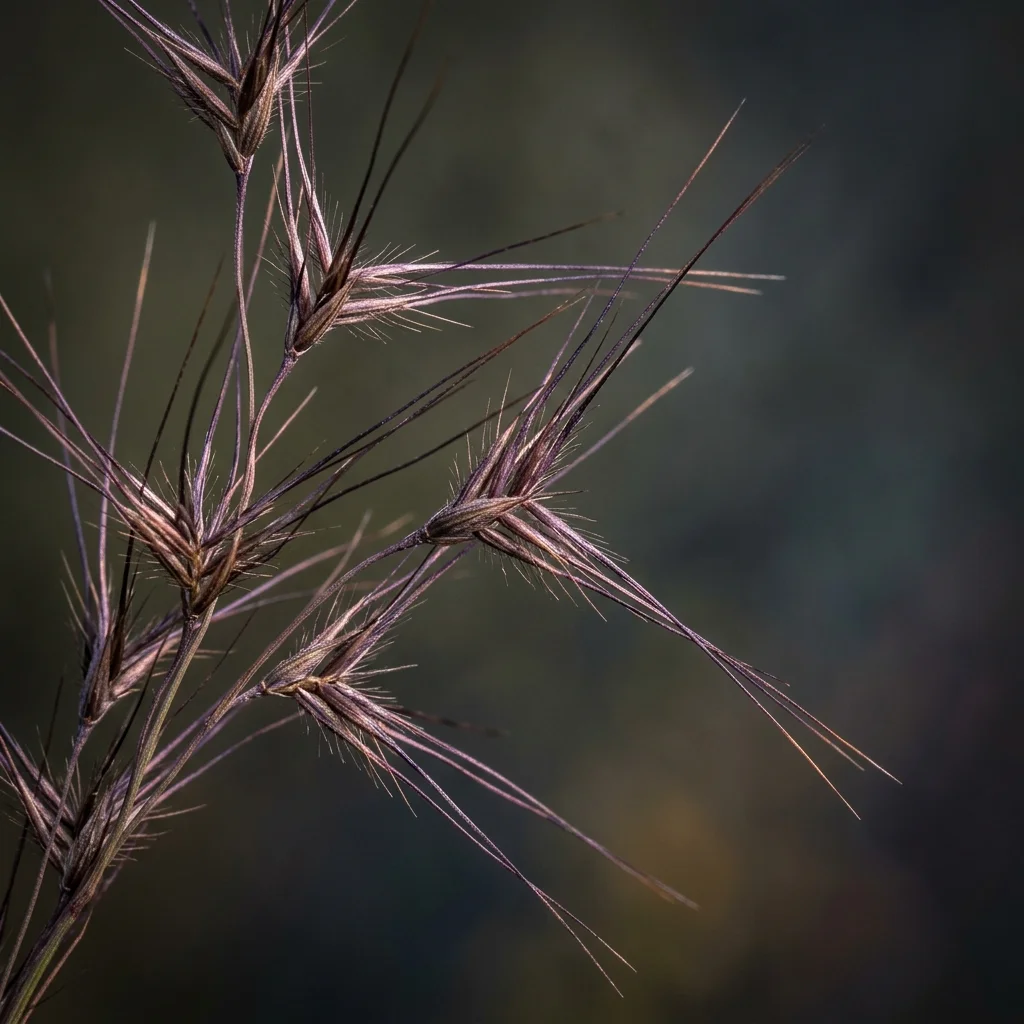
Purple Three-Awn is a highly distinct, exceptionally drought-tolerant native desert grass, famous for its long thread-like sharp three-pronged purplish awns radiating out like shimmering metallic spiderwebs. It is highly valued for its extreme water efficiency in arid xeriscapes.





How to Identify Purple Three-Awn
Purple Three-Awn (Aristida purpurea) is a remarkable botanical species widely appreciated for its unique aesthetic and structural appeal. Recognizing its definitive visual traits is key to distinguishing it from other similar plants.
-
✔
Key Visual Features: Key Visual Features: Dense arching clumps of narrow linear foliage, topped in summer by feathery, bottle-brush, or metallic flower panicles.
-
✔
Color Variations: Color Variations: Blue-grey blades, warm golden stripes, pink-flushed panicles, or waxy emerald foliage.
-
✔
Common Confusions: Common Confusions: Resembles wild lawn weeds when small, but recognized by their tight, neat clumping growth and showy tall flower spikes.
Complete Care & Cultivation Guide
Follow our detailed scientific care guide to keep your Purple Three-Awn thriving and gorgeous all year round.
Common Diseases & Treatment
Root Rot (Overwatering)
Symptoms: Leaves turn soft and yellow at the base, shrivel and drop prematurely, accompanied by a mushy root system and foul soil odor.
Foliage Rust
Symptoms: Small powdery orange or brown pustules appear on the linear leaves under humid, poorly ventilated indoor conditions.
Frequently Asked Questions
Q: Why are the seeds called 'Three-Awn'?
A: Each individual seed spikelet possesses three long, sharp, thread-like bristles (awns) that project outward from the tip. These three-pronged awns act as wind sails to distribute the seeds across dry desert sands and help drill the seed into the soil.
Q: Is Purple Three-Awn safe for pets?
A: While the plant is completely non-toxic, the ripe, dry seed awns are exceptionally sharp and can easily stick to dogs' fur, ears, and paws, potentially causing irritation like wild foxtails. Keep the grass planted away from high-traffic pet paths, or prune the seed heads off after blooming.
Q: How much water does Aristida purpurea need?
A: Almost none once established. It is a highly specialized desert native that thrives on natural rainfall in arid zones. Supplemental watering should be applied only during exceptionally prolonged desert dry spells to prevent premature dormancy.
Q: Does Purple Three-Awn keep its purple color all year?
A: No. The highly vibrant purplish-red color is present during the active blooming and seeding phase in early to mid-summer. As the seeds mature and dry in autumn, the awns turn a beautiful, shimmering light tan and silver-white.