Quaking Grass Care & Identification Guide
Quaking Grass is a highly spectacular, artistic wild perennial grass, legendary for its unique heart-shaped, nodding purplish-green seed heads that shake and rustle in the gentlest breeze. It is a premier, sensory pioneer adding unparalleled movement to meadows.





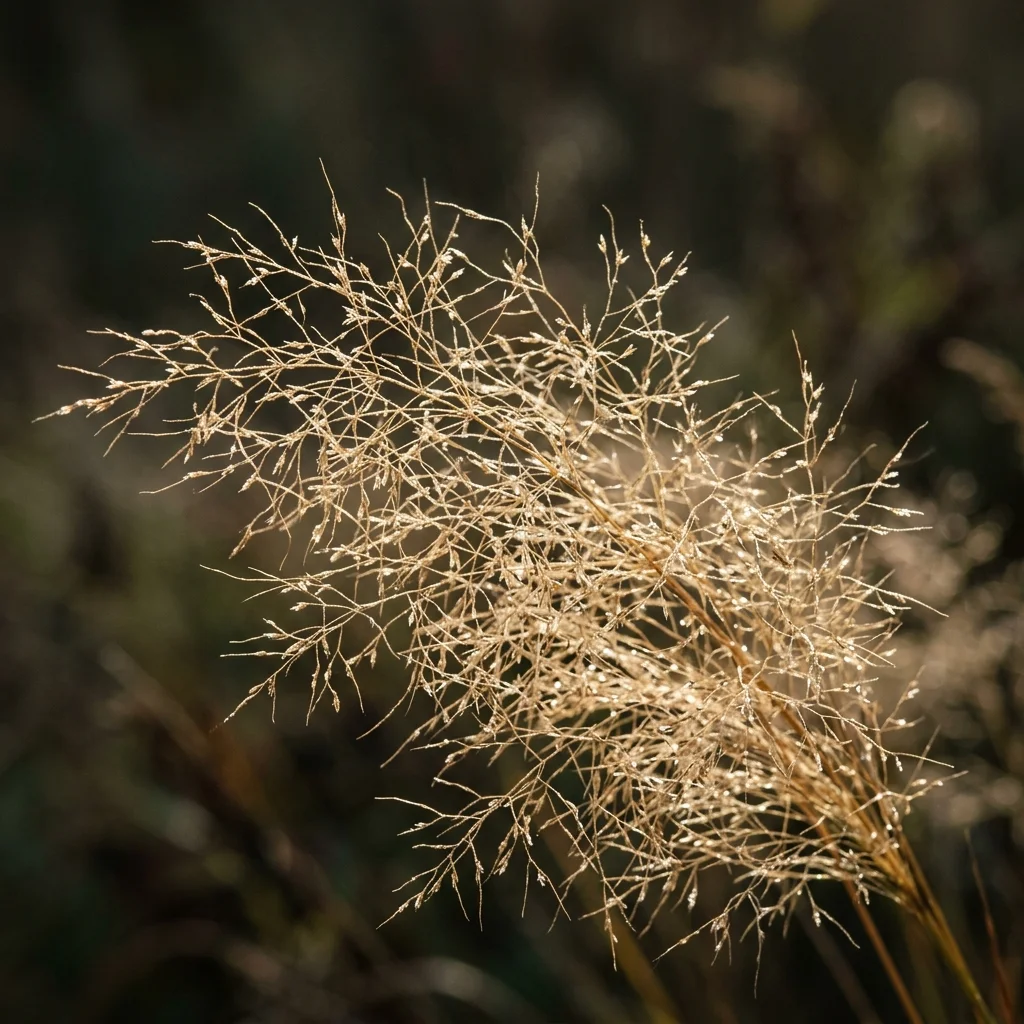
How to Identify Quaking Grass
Quaking Grass (Briza media) is a remarkable botanical species widely appreciated for its unique aesthetic and structural appeal. Recognizing its definitive visual traits is key to distinguishing it from other similar plants.
-
✔
Key Visual Features: Key Visual Features: Dense arching clumps of narrow linear foliage, topped in summer by feathery, bottle-brush, or metallic flower panicles.
-
✔
Color Variations: Color Variations: Blue-grey blades, warm golden stripes, pink-flushed panicles, or waxy emerald foliage.
-
✔
Common Confusions: Common Confusions: Resembles wild lawn weeds when small, but recognized by their tight, neat clumping growth and showy tall flower spikes.
Complete Care & Cultivation Guide
Follow our detailed scientific care guide to keep your Quaking Grass thriving and gorgeous all year round.
Common Diseases & Treatment
Root Rot (Overwatering)
Symptoms: Leaves turn soft and yellow at the base, shrivel and drop prematurely, accompanied by a mushy root system and foul soil odor.
Foliage Rust
Symptoms: Small powdery orange or brown pustules appear on the linear leaves under humid, poorly ventilated indoor conditions.
Frequently Asked Questions
Q: Why does Quaking Grass shake so easily in the wind?
A: The heart-shaped spikelets of Briza media are suspended from extremely fine, long, hair-like flower stalks. This specialized anatomical flexibility allows the seed heads to move dynamically and catch even the imperceptible breezes.
Q: Can Briza media be used for dried flower arrangements?
A: Yes! Quaking Grass is highly famous as a premium everlasting dried flower. Cut the seed heads just as they mature in mid-summer, hang them upside down in a dark, dry room to preserve their geometric shape.
Q: What is the typical size of Quaking Grass?
A: It typically forms a neat foliage clump of 8 to 12 inches, with the slender, trembling flowering stalks rising up to 18 to 24 inches tall.
Q: Is Quaking Grass safe for grazing pets and dogs?
A: Yes, Briza media is entirely non-toxic and exceptionally safe for all cats, dogs, and grazing livestock.