Ribbon Grass Care & Identification Guide
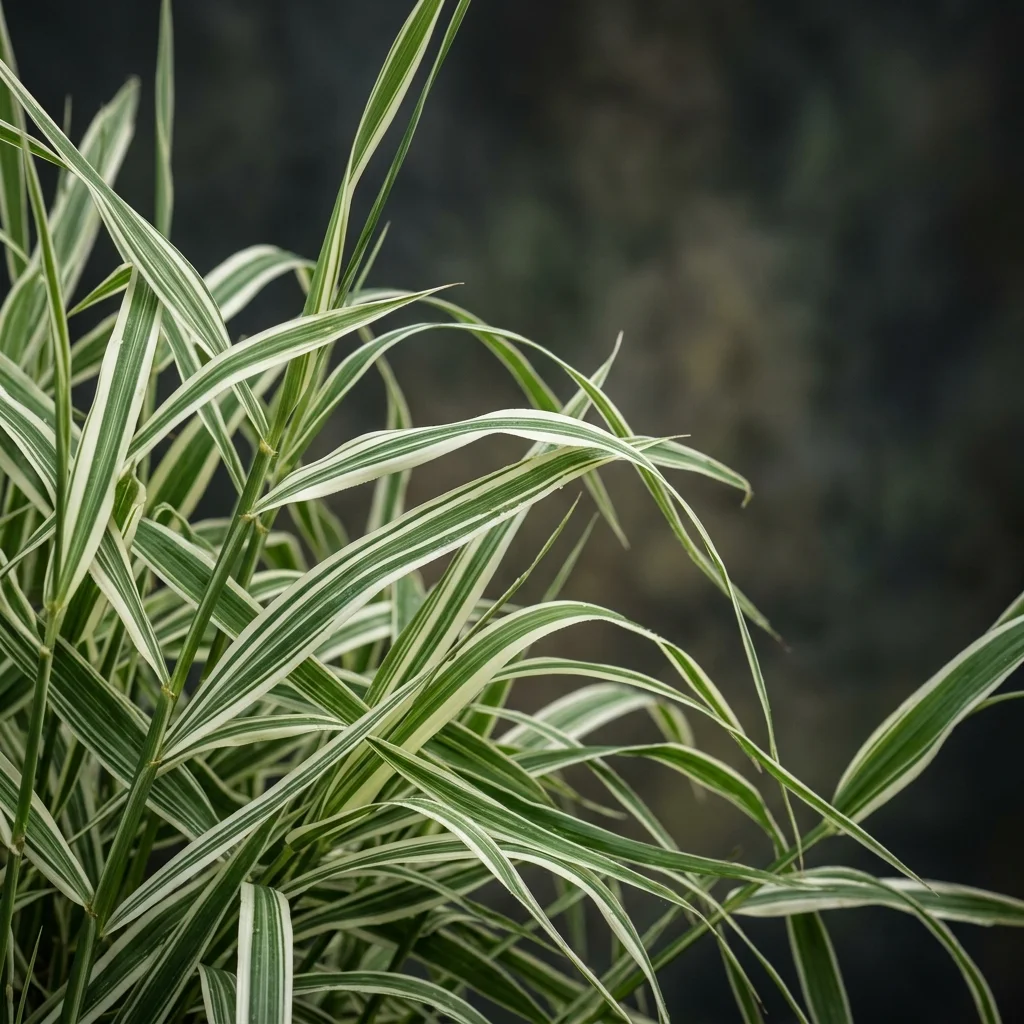
Ribbon Grass, also known as Gardener's Garters, is an exceptionally fast-growing, highly vigorous variegated grass, prized for its wide ribbon-like leaves with bright creamy-white and green longitudinal stripes. It forms an outstanding, rapid groundcover for stabilizing banks and damp soils.





How to Identify Ribbon Grass
Ribbon Grass (Phalaris arundinacea 'Picta') is a remarkable botanical species widely appreciated for its unique aesthetic and structural appeal. Recognizing its definitive visual traits is key to distinguishing it from other similar plants.
-
✔
Key Visual Features: Key Visual Features: Dense arching clumps of narrow linear foliage, topped in summer by feathery, bottle-brush, or metallic flower panicles.
-
✔
Color Variations: Color Variations: Blue-grey blades, warm golden stripes, pink-flushed panicles, or waxy emerald foliage.
-
✔
Common Confusions: Common Confusions: Resembles wild lawn weeds when small, but recognized by their tight, neat clumping growth and showy tall flower spikes.
Complete Care & Cultivation Guide
Follow our detailed scientific care guide to keep your Ribbon Grass thriving and gorgeous all year round.
Common Diseases & Treatment
Root Rot (Overwatering)
Symptoms: Leaves turn soft and yellow at the base, shrivel and drop prematurely, accompanied by a mushy root system and foul soil odor.
Foliage Rust
Symptoms: Small powdery orange or brown pustules appear on the linear leaves under humid, poorly ventilated indoor conditions.
Frequently Asked Questions
Q: Why is this grass called 'Gardener's Garters'?
A: The historic common name refers to the wide, ribbon-like green and white striped leaves, which closely resemble the structural striped garters traditionally worn by European gardeners to hold up their socks in the 19th century.
Q: Is Ribbon Grass invasive?
A: Phalaris 'Picta' is highly vigorous and spreads rapidly via creeping underground rhizomes. It is not invasive in dry soils or contained beds, but it should be planted with caution next to delicate, slow-growing plants in wet, open wetland areas.
Q: How can I refresh the foliage of Ribbon Grass in summer?
A: By mid-summer, the older leaves can look tired or turn slightly brown. Simply cut or mow the entire carpet down to about 2 to 3 inches. Within two weeks, a beautiful, fresh flush of bright white-green ribbon leaves will emerge.
Q: Is Ribbon Grass safe for cats and dogs?
A: Yes! Phalaris arundinacea 'Picta' is completely non-toxic and highly safe for all pets, making it a beautiful, worry-free groundcover for large residential gardens.