Sand Love Grass Care & Identification Guide
Sand Love Grass is an exceptionally airy, decorative native prairie grass, prized for its exceptionally airy, misty purple-pink cloud of hundreds of delicate dangling tiny flat drop-like spikelets. Thriving in poor sandy soils, it brings unmatched color, fluid movement, and airiness to sunny borders.





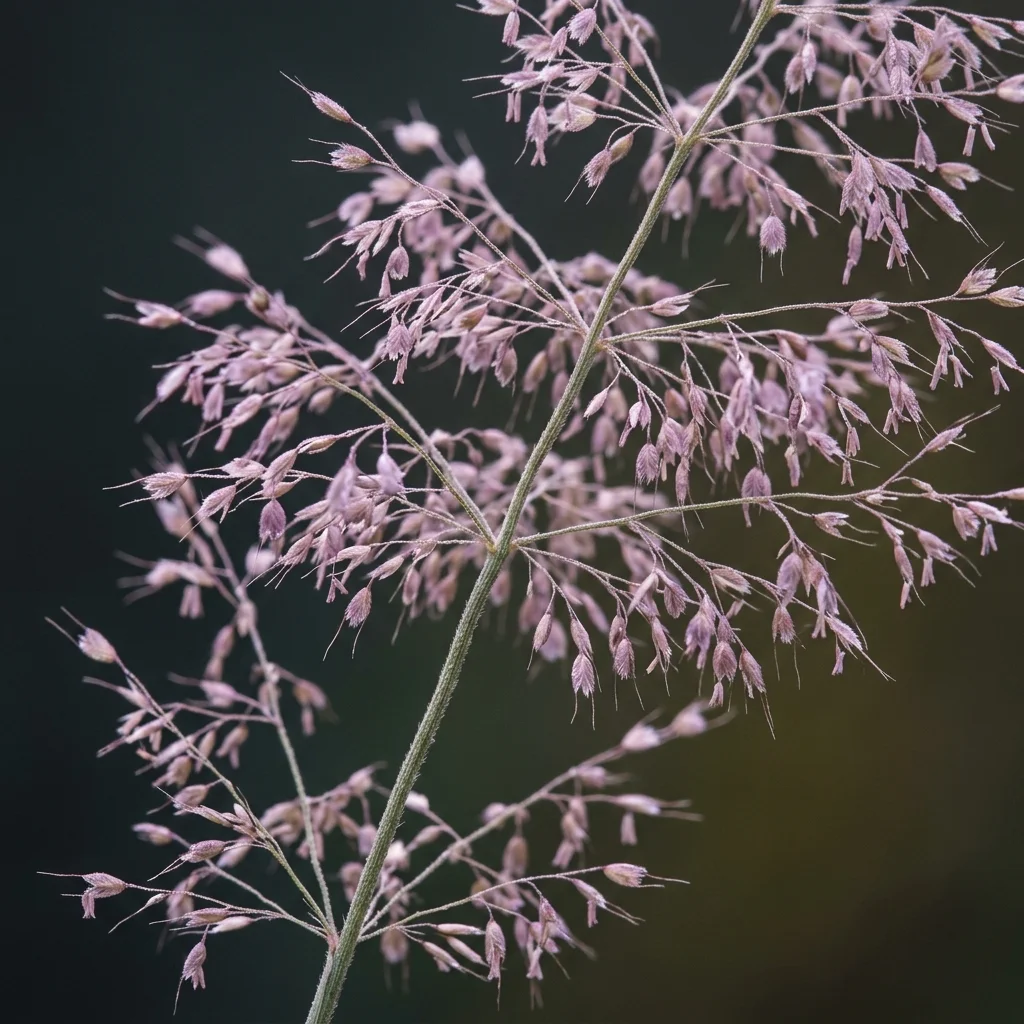
How to Identify Sand Love Grass
Sand Love Grass (Eragrostis trichodes) is a remarkable botanical species widely appreciated for its unique aesthetic and structural appeal. Recognizing its definitive visual traits is key to distinguishing it from other similar plants.
-
✔
Key Visual Features: Key Visual Features: Robust upright culms with swollen joint nodes, ending in dense ornamental flower spikes or rippling grain heads.
-
✔
Color Variations: Color Variations: Bright green foliage during spring growth, turning into warm amber, straw-yellow, or bronze seed heads as they mature.
-
✔
Common Confusions: Common Confusions: Resembles lawn turf when young, but easily recognized at maturity by wide leaves, coarse stems, and heavy seed panicles.
Complete Care & Cultivation Guide
Follow our detailed scientific care guide to keep your Sand Love Grass thriving and gorgeous all year round.
Common Diseases & Treatment
Root Rot (Overwatering)
Symptoms: Leaves turn soft and yellow at the base, shrivel and drop prematurely, accompanied by a mushy root system and foul soil odor.
Powdery Mildew
Symptoms: A dusty white or gray powdery coating spreads across the broad leaves, causing distorted growth in stagnant rooms.
Frequently Asked Questions
Q: Why is my Sand Love Grass flopping over?
A: Flopping is a classic sign of excessive soil moisture, high nutrients, or heavy shade. Eragrostis trichodes is highly specialized for dry, poor, sandy soils. In rich, wet garden beds, it grows too fast and develops weak, lazy stems that collapse under the weight of the seed cloud. Move it to a poor, dry, full-sun spot.
Q: Is Sand Love Grass a long-lived plant?
A: It is a short-lived perennial bunchgrass that typically lives for 3 to 5 years. However, it easily and non-invasively self-seeds in dry sandy beds, ensuring a continuous, fresh supply of colorful pink-purple seed clouds year after year.
Q: How does Sand Love Grass help prevent soil erosion?
A: It has a highly fibrous, wide-spreading root system that is highly specialized for binding loose sand grains together. This makes it an outstanding native plant for stabilizing steep, dry dunes and sandy banks against wind and water erosion.
Q: Can I grow Sand Love Grass in partial shade?
A: While it can tolerate very light shade, full sun is highly recommended. In shade, the stems will weaken, and the signature pink-purple color of the seed cloud will fade to a dull, insignificant light-green.