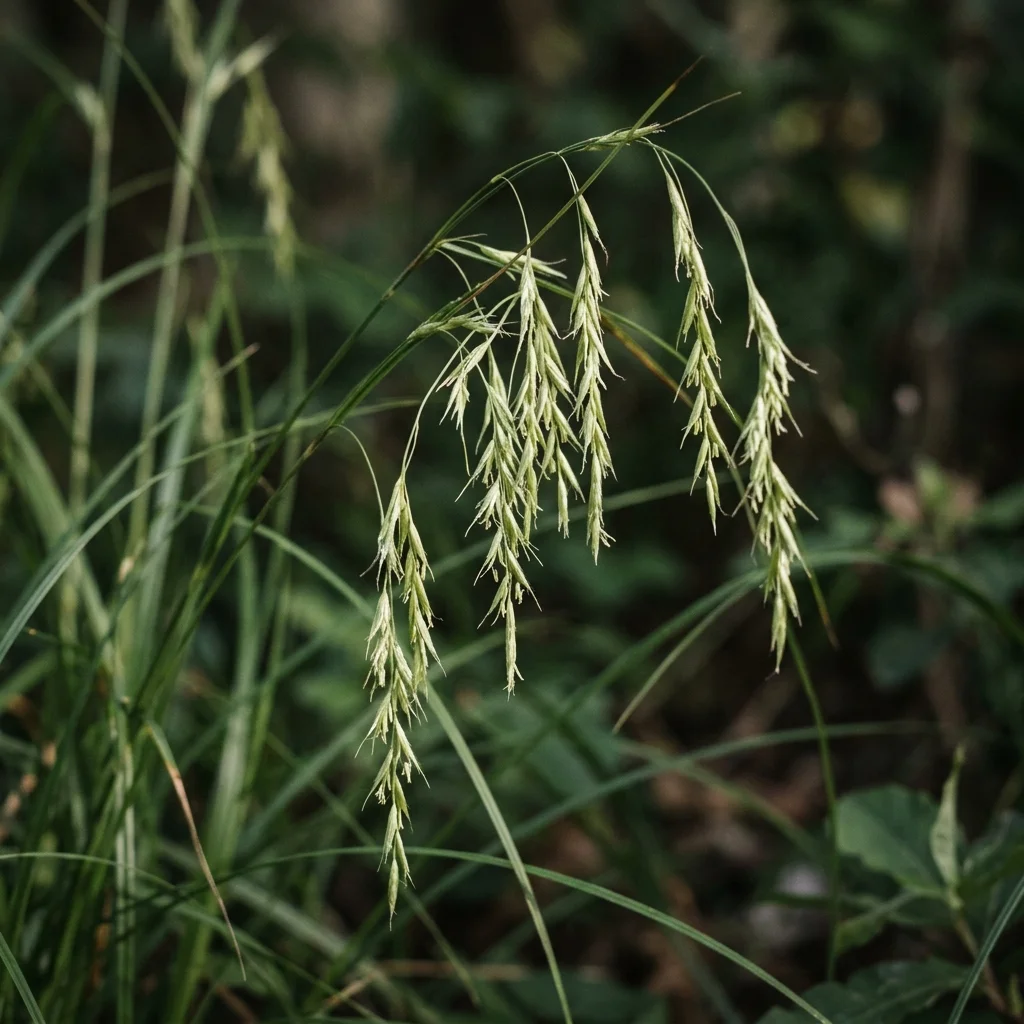
Carex sylvatica

Wood Sedge Care & Identification Guide

Wood Sedge is an exceptionally graceful, highly adaptable native European woodland sedge, prized for its pale green pendulous tassels hanging from slender stems amidst soft textured emerald-green linear leaves. Highly shade-tolerant, it serves as a premier naturalizer for deciduous forest gardens.


Sunlight Icon
Sunlight Part Shade to Full Shade (highly shade-tolerant; excels under dense tree canopies).
Watering Icon
Watering Moderate; highly adaptable to moist or occasionally dry shade conditions.
Soil Mix Icon
Soil Mix Adaptable to almost any soil, including heavy clay loam, acidic wood duff, and alkaline soils.
Temperature Icon
Temperature 15°C - 25°C
Toxicity Warning Icon
Toxicity Completely non-toxic and safe for all dogs, cats, and pets.
Botanical macro photography of Wood Sedge (Carex sylvatica) - Plant AI care database

How to Identify Wood Sedge

Wood Sedge (Carex sylvatica) is a remarkable botanical species widely appreciated for its unique aesthetic and structural appeal. Recognizing its definitive visual traits is key to distinguishing it from other similar plants.

  • Key Visual Features: Key Visual Features: Stiff, solid triangular or round vertical stems rising in graceful clumps directly from strong underground rhizomes.
  • Color Variations: Color Variations: Vivid emerald greens, chartreuse, rich bronze, or cream-striped blades depending on the potted cultivar.
  • Common Confusions: Common Confusions: Often mistaken for true ornamental grasses, but easily distinguished in pots by their solid stems and three-ranked foliage arrangement.
💡 Plant AI Tip: Not sure? Take a photo with Plant AI to identify your houseplants instantly.

Complete Care & Cultivation Guide

Follow our detailed scientific care guide to keep your Wood Sedge thriving and gorgeous all year round.

Thrives in consistently moist to wet soil, replicating their native wetland habitats. Unlike standard houseplants, potted sedges and rushes require high soil moisture. Water 2 to 3 times a week, ensuring the potting medium remains evenly saturated. Never let the pot dry out completely, and keep a shallow tray of water beneath the pot to maintain humidity.
Requires light grooming. Gently prune away yellowed or brown foliage blades at the soil level using sterile shears to maintain an elegant silhouette. Wipe the upright stems with a soft, damp microfiber cloth regularly to clear indoor dust and prevent scale build-up.
Feed sparingly. Apply a highly diluted liquid houseplant fertilizer once in mid-spring and mid-summer to promote steady green shoots. Avoid heavy nitrogen fertilizers, which can lead to weak, floppy foliage inside indoor rooms.
Thrives in bright, indirect light near an east-facing window, but adapts remarkably well to lower-light office corners. Shield from intense direct afternoon sunlight to prevent leaf tip scorch or waxy coat bleaching.
Requires a heavy organic potting mix with outstanding water-retention capacity. A superb recipe consists of 40% organic compost, 40% peat moss, and 20% coarse sand or perlite, keeping a slightly acidic to neutral pH of 5.5 to 7.0.
Easily propagate by dividing the dense root ball during spring repotting. Gently slice through the fibrous rhizomatous crown with a sterile knife, ensuring each section has healthy roots, and pot them immediately in saturated loam.
Thrives in standard cozy indoor temperatures between 15°C and 25°C. Keep away from chilly winter window panes or drafts, and ensure the room does not drop below 10°C to prevent cold tip die-back.
Select a wide, glazed ceramic pot with drainage holes to hold moisture. They prefer to stay slightly root-bound, but repot every 2 years to refresh the compacted, saturated organic potting soil.
Occasionally attracts spider mites or fungus gnats in stagnant indoor rooms. Mist the foliage to raise humidity and treat with mild insecticidal soap or neem oil if pests are spotted.
Susceptible to root rot if kept in completely stagnant water without any oxygen. Ensure the pot has proper bottom drainage holes, and periodically empty the drainage tray to prevent stagnant root suffocation.
Potted sedges make spectacular architectural features in modern living rooms. Placing them in groups with other houseplants creates a high-humidity microclimate that keeps all your indoor greens thriving.

Is your Wood Sedge leaves turning yellow, dry or brown?

Keep your indoor garden vibrant. Take a photo with Plant AI to diagnose pests and leaf spot diseases instantly.

Diagnose My Plant

Common Diseases & Treatment

Root Rot (Overwatering)

Symptoms: Leaves turn soft and yellow at the base, shrivel and drop prematurely, accompanied by a mushy root system and foul soil odor.

Action: Drastically cut watering. Remove mushy leaves, wash away old soggy soil, prune rotten black roots, and repot in dry succulent mix with drainage holes.

Foliage Rust

Symptoms: Small powdery orange or brown pustules appear on the linear leaves under humid, poorly ventilated indoor conditions.

Action: Isolate the plant, prune infected leaves, and spray with a copper-based organic fungicide. Improve indoor ventilation.

Frequently Asked Questions

What does it mean that Wood Sedge is an 'ancient woodland indicator'?

In European ecology, Carex sylvatica is classified as an indicator species. Its presence in a forest suggests that the woodland has been continuously forested for centuries without severe agricultural disturbance, signifying high soil health and complex ecological diversity.

Is Carex sylvatica drought-hardy in dry shade?

Yes! While it prefers moist wood duff, Wood Sedge possesses exceptional drought tolerance in dry shade once its fibrous root system is established, outcompeting weeds under heavy tree root competition.

How tall does Wood Sedge grow?

The vegetative foliage mound remains compact, reaching about 12 to 18 inches tall. In late spring, the slender, nodding flowering stalks rise slightly above the foliage to a height of 2 feet.

Does Wood Sedge spread invasively?

No. Wood Sedge is a strictly clump-forming (cespitose) sedge that expands slowly from its crown. It does not produce aggressive running runners, making it highly safe for formal shaded borders.

No more dying plants. Grow healthy greens today!

Get Started for Free