Zebra Grass Care & Identification Guide
Zebra Grass is an exceptionally popular, highly decorative ornamental grass, prized for its wide, arching green leaves marked with highly distinct, irregular horizontal bands of soft creamy-yellow. It creates a bold, sweeping fountain of exotic texture in large borders.





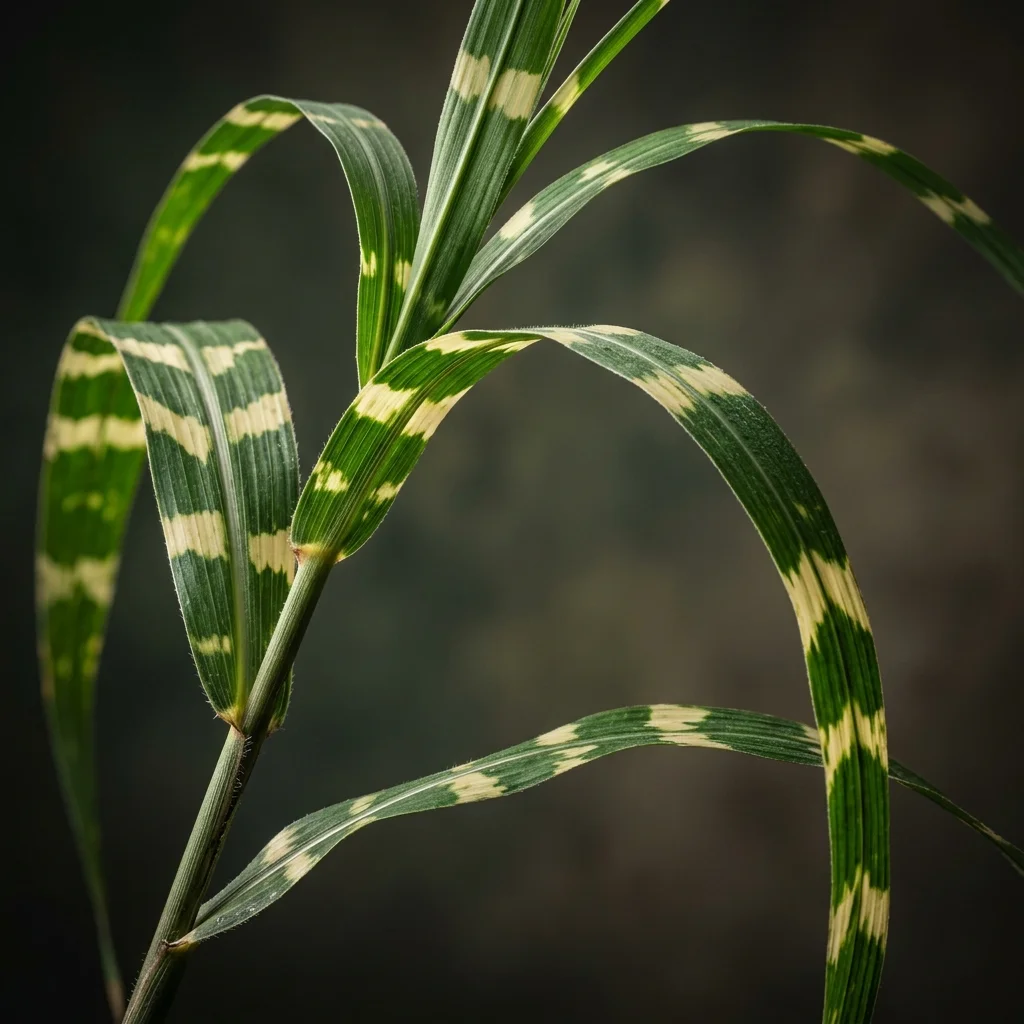
How to Identify Zebra Grass
Zebra Grass (Miscanthus sinensis 'Zebrinus') is a remarkable botanical species widely appreciated for its unique aesthetic and structural appeal. Recognizing its definitive visual traits is key to distinguishing it from other similar plants.
-
✔
Key Visual Features: Key Visual Features: Towering culms with wooden nodes and dry leaf sheaths, producing clusters of elegant drooping narrow leaves.
-
✔
Color Variations: Color Variations: Solid forest green, lemon-yellow canes with dark pinstripes, or beautifully variegated green-and-white foliage.
-
✔
Common Confusions: Common Confusions: Reeds can resemble running bamboo, but can be distinguished by their soft herbaceous canes that do not turn fully into wood.
Complete Care & Cultivation Guide
Follow our detailed scientific care guide to keep your Zebra Grass thriving and gorgeous all year round.
Common Diseases & Treatment
Root Rot (Overwatering)
Symptoms: Leaves turn soft and yellow at the base, shrivel and drop prematurely, accompanied by a mushy root system and foul soil odor.
Powdery Mildew
Symptoms: A dusty white or gray powdery coating spreads across the broad leaves, causing distorted growth in stagnant rooms.
Frequently Asked Questions
Q: Why are there no yellow stripes on my Zebra Grass in spring?
A: Zebra Grass leaf blades emerge solid green in early spring. The distinct horizontal creamy-yellow stripes are triggered by intense sun and warm summer temperatures. They will start appearing dramatically on new growth as summer heat increases.
Q: Does Zebra Grass spread aggressively via underground runners?
A: No. Miscanthus sinensis 'Zebrinus' is a strictly clump-forming (cespitose) bunchgrass that expands slowly outward from a central crown. It does not produce aggressive running runners and is completely safe for formal beds.
Q: When should I cut back my Zebra Grass?
A: Leave the spectacular dried straw-colored foliage and fluffy seed plumes standing all winter to provide structural interest and food for wild birds. Cut the entire clump clean down to about 3 inches in late winter or early spring before fresh green shoots rise.
Q: Is Zebra Grass safe for dogs and cats?
A: Yes! Miscanthus sinensis 'Zebrinus' is completely non-toxic and highly safe for all domestic pets, making it a beautiful and worry-free choice for residential yards.