Garden Sage Care & Identification Guide
Garden Sage (Salvia officinalis) is a robust, evergreen perennial herb renowned for its earthy, slightly peppery flavor and highly aromatic, velvety leaves. A staple in holiday stuffings and savory dishes, it thrives in dry, sunny Mediterranean-like conditions. Its striking grayish-green foliage and spikes of purplish-blue summer flowers make it as beautiful in an ornamental border as it is indispensable in the kitchen.





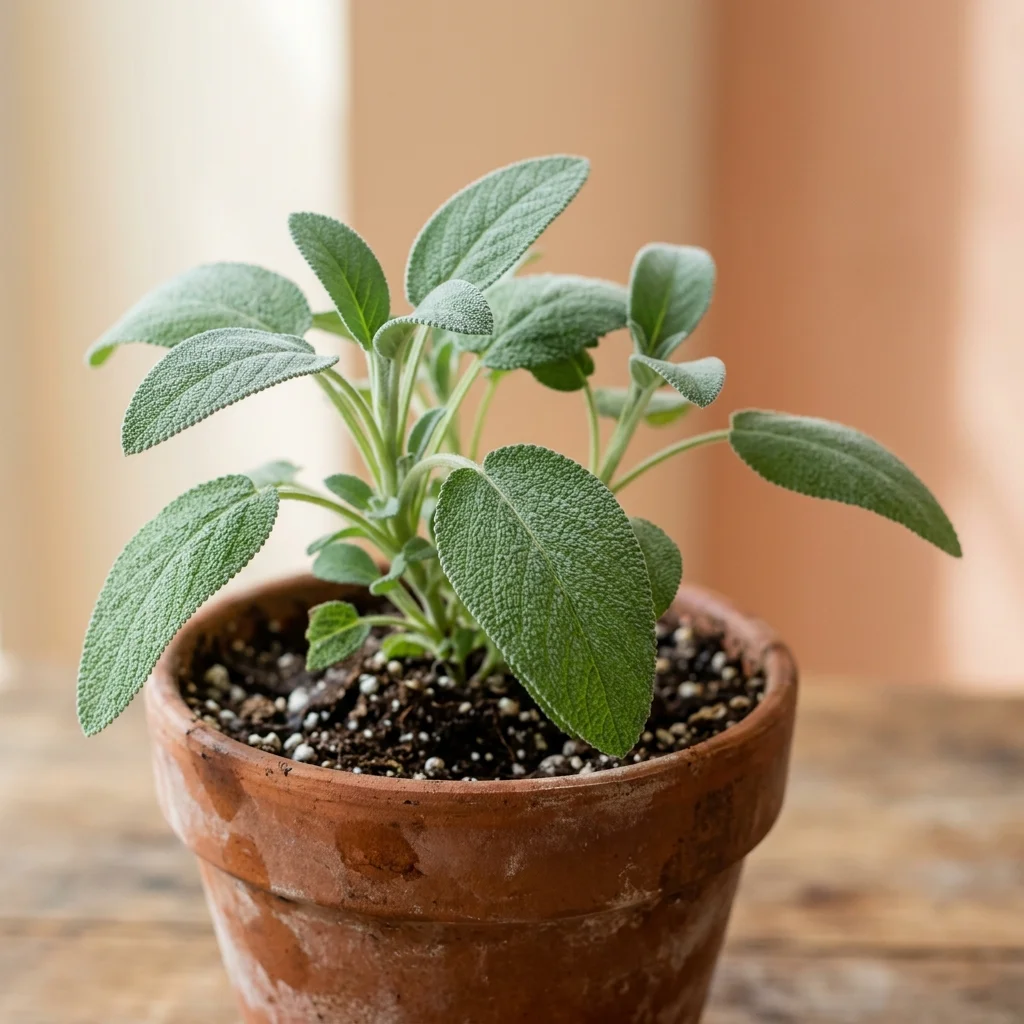
How to Identify Garden Sage
Garden Sage (Salvia officinalis) is a remarkable botanical species widely appreciated for its unique aesthetic and structural appeal. Recognizing its definitive visual traits is key to distinguishing it from other similar plants.
-
✔
Key Visual Features: Woody stems bearing opposite, oblong leaves with a distinctive pebbled, velvety texture. Produces tall spikes of tubular, two-lipped flowers.
-
✔
Color Variations: Classic soft grayish-green leaves. Cultivars like 'Purpurascens' offer purple foliage, while 'Tricolor' features green, white, and pink variegation.
-
✔
Common Confusions: Can be confused with Russian sage or other ornamental salvias, but true garden sage is distinguished by its culinary aroma and broader, pebbled leaves.
Complete Care & Cultivation Guide
Follow our detailed scientific care guide to keep your Garden Sage thriving and gorgeous all year round.
Common Diseases & Treatment
Root Rot (Overwatering)
Symptoms: Leaves turn soft and yellow at the base, shrivel and drop prematurely, accompanied by a mushy root system and foul soil odor.
Powdery Mildew
Symptoms: A dusty white or gray powdery coating spreads across the broad leaves, causing distorted growth in stagnant rooms.
Frequently Asked Questions
Q: When is the best time to prune Garden Sage?
A: Prune in early spring, cutting back the older, woody stems by about a third to encourage fresh, leafy growth. Never prune heavily in late autumn, as new growth may be damaged by winter frost.
Q: How often should I water my potted Sage?
A: Sage is highly drought-tolerant and susceptible to root rot. Allow the soil to dry out thoroughly between waterings and ensure your pot provides excellent drainage.
Q: Can I grow Garden Sage indoors?
A: Yes, if provided with a very bright, sunny south-facing window. Insufficient light will cause the plant to become leggy and weak.
Q: Why are the lower leaves of my Sage turning yellow and dropping?
A: This is usually a sign of overwatering, poor soil drainage, or a lack of airflow around the dense base of the plant.