Ginkgo Biloba Herb Care & Identification Guide
Ginkgo Biloba (Ginkgo biloba), often revered as a living fossil, is a magnificent, ancient tree species whose unique fan-shaped leaves are celebrated in herbal medicine for supporting cognitive health and circulation. While it eventually grows into a massive, deeply rooted shade tree, young ginkgo plants can be cultivated in large containers for years. Its stunning golden-yellow autumn display and remarkable resilience to urban pollution make it a botanical masterpiece.




How to Identify Ginkgo Biloba Herb
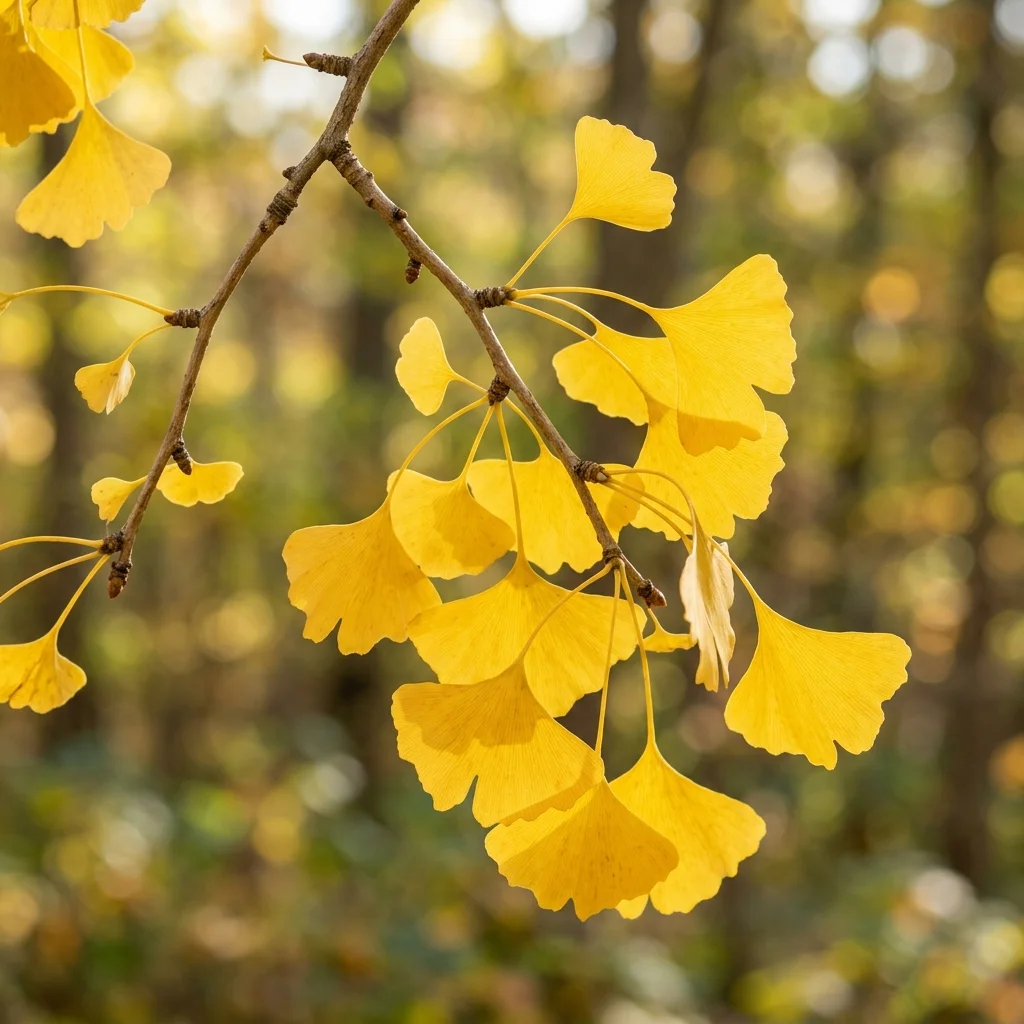
Ginkgo Biloba Herb (Ginkgo biloba (Herbaceous)) is a remarkable botanical species widely appreciated for its unique aesthetic and structural appeal. Recognizing its definitive visual traits is key to distinguishing it from other similar plants.
-
✔
Key Visual Features: Distinctive, deeply lobed, fan-shaped leaves with radiating veins, emerging from short, stubby shoots on woody branches.
-
✔
Color Variations: Bright, vibrant green leaves in spring and summer that transform into a brilliant, luminous saffron-yellow in late autumn.
-
✔
Common Confusions: The unique fan-shaped leaves are virtually unmistakable and look unlike any other broadleaf tree, resembling the foliage of the maidenhair fern.
Complete Care & Cultivation Guide
Follow our detailed scientific care guide to keep your Ginkgo Biloba Herb thriving and gorgeous all year round.
Common Diseases & Treatment
Root Rot (Overwatering)
Symptoms: Leaves turn soft and yellow at the base, shrivel and drop prematurely, accompanied by a mushy root system and foul soil odor.
Foliage Rust
Symptoms: Small powdery orange or brown pustules appear on the linear leaves under humid, poorly ventilated indoor conditions.
Frequently Asked Questions
Q: Can I grow a Ginkgo tree in a pot indoors?
A: Ginkgo is an outdoor deciduous tree that requires a winter dormancy period (cold temperatures) to survive. While you can keep a young tree in a patio container, it will not thrive indoors year-round.
Q: How often should I water my young Ginkgo tree?
A: Young ginkgos need deep, regular watering to establish their deep taproots. Water thoroughly when the top two inches of soil are dry. Mature trees are highly drought-tolerant.
Q: How do I harvest Ginkgo leaves for herbal use?
A: If using leaves for herbal preparations, harvest green leaves in late summer or early autumn before they begin to turn yellow. Ensure you properly research preparation methods, as raw leaves can be toxic.
Q: Why does my Ginkgo tree smell bad in the fall?
A: Female Ginkgo trees produce fleshy, plum-like seeds in the autumn that emit a strong, rancid odor when they fall and decay. Most nurseries sell grafted male trees to avoid this issue.