Greek Oregano Care & Identification Guide
Greek Oregano (Origanum vulgare var. hirtum) is widely considered the truest, most intensely flavored culinary oregano in the world. Native to rocky, arid Mediterranean mountainsides, this robust perennial herb thrives in poor, fast-draining soil and intense, baking sunlight. Its pungent, peppery leaves are indispensable in Italian and Greek cuisine, and harvesting them frequently only encourages bushier, more vigorous growth in garden beds or sunny patio pots.





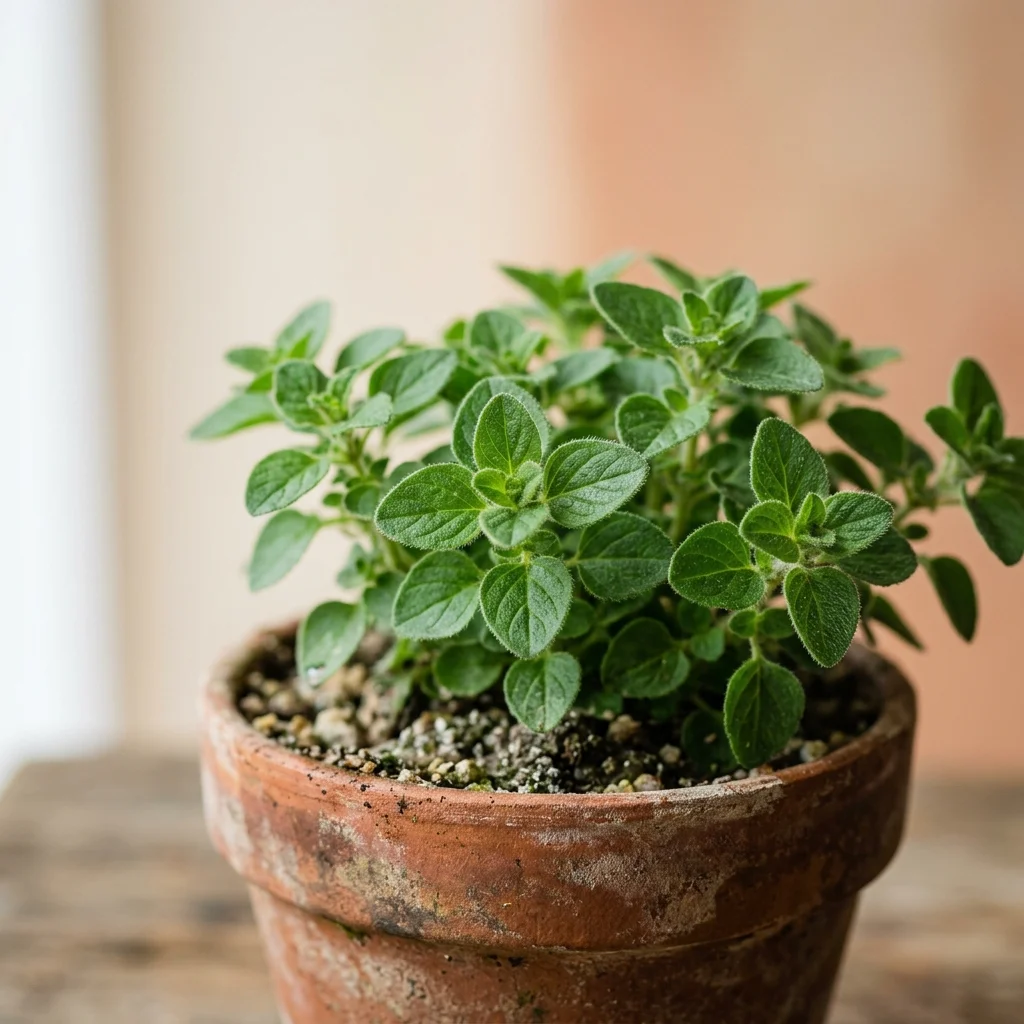
How to Identify Greek Oregano
Greek Oregano (Origanum vulgare subsp. hirtum) is a remarkable botanical species widely appreciated for its unique aesthetic and structural appeal. Recognizing its definitive visual traits is key to distinguishing it from other similar plants.
-
✔
Key Visual Features: Sprawling, woody stems covered in small, opposite, oval, softly hairy leaves. In late summer, it produces tiny, tubular white or pale pink flowers in dense clusters.
-
✔
Color Variations: Deep, dusty-green foliage with small white blossoms.
-
✔
Common Confusions: Often confused with common oregano (which is nearly flavorless) or sweet marjoram (which is much milder and sweeter). Greek oregano's intense, spicy scent is unmistakable.
Complete Care & Cultivation Guide
Follow our detailed scientific care guide to keep your Greek Oregano thriving and gorgeous all year round.
Common Diseases & Treatment
Root Rot (Overwatering)
Symptoms: Leaves turn soft and yellow at the base, shrivel and drop prematurely, accompanied by a mushy root system and foul soil odor.
Powdery Mildew
Symptoms: A dusty white or gray powdery coating spreads across the broad leaves, causing distorted growth in stagnant rooms.
Frequently Asked Questions
Q: Why does my Greek Oregano have no flavor?
A: Flavor loss is typically caused by overly rich soil, excess water, or lack of direct sunlight. Greek oregano needs "tough love"—poor, dry soil and full sun—to concentrate its essential oils.
Q: How often should I water potted Greek Oregano?
A: It is highly drought-tolerant. Allow the soil to dry out completely before watering deeply. Never let the pot sit in standing water.
Q: Should I let my Greek Oregano flower?
A: For the best culinary flavor, pinch off the flower buds as they form. Once the plant flowers, the leaves can become bitter and woody.
Q: Can I grow Greek Oregano from seeds?
A: Yes, but seeds can be highly variable and may lack the true, intense flavor. It is often better to propagate via cuttings or root division from a known, flavorful parent plant.