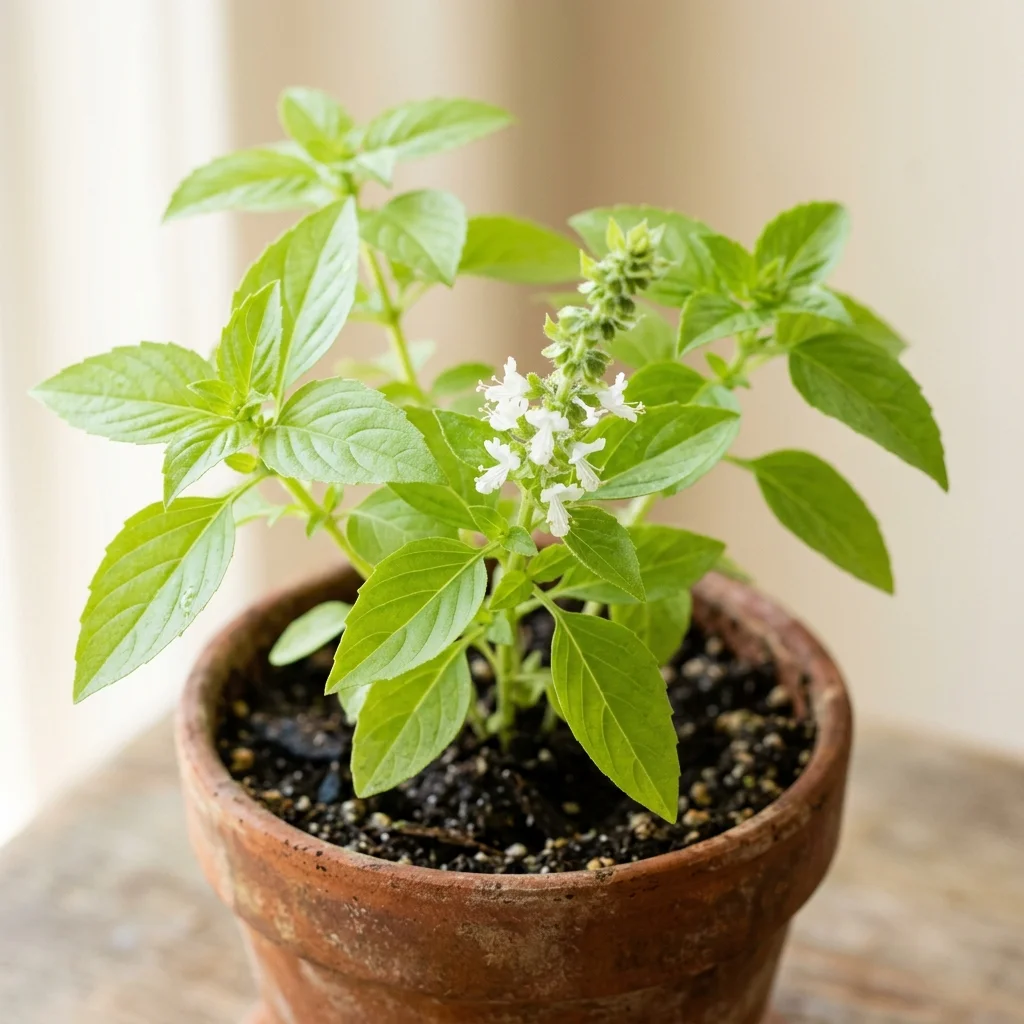
Ocimum x citriodorum

Lemon Basil Care & Identification Guide

Lemon Basil (Ocimum × africanum) is a bright, fragrant hybrid culinary herb that infuses the classic sweet, peppery taste of basil with a sharp, refreshing blast of citrus. A staple in Southeast Asian cuisines, it thrives in hot, sunny, and well-draining conditions. Whether grown in a bright kitchen window or a warm summer garden bed, its delicate white flower spikes and vivid green leaves provide a continuous harvest of zesty, aromatic flavor.


Sunlight Icon
Sunlight Full Sun to Partial Shade
Watering Icon
Watering Low (extremely water-efficient)
Soil Mix Icon
Soil Mix Average loose sandy potting loam
Temperature Icon
Temperature 15°C - 25°C
Toxicity Warning Icon
Toxicity Non-toxic to pets (robust wild defenses)
Botanical macro photography of Lemon Basil (Ocimum x citriodorum) - Plant AI care database

How to Identify Lemon Basil

Lemon Basil (Ocimum x citriodorum) is a remarkable botanical species widely appreciated for its unique aesthetic and structural appeal. Recognizing its definitive visual traits is key to distinguishing it from other similar plants.

  • Key Visual Features: Upright, bushy plant with smooth, ovate, pale green leaves. Produces slender, elongated spikes of small, tubular white flowers.
  • Color Variations: Bright, vibrant, pale green to medium green foliage with stark white blossoms.
  • Common Confusions: Closely resembles standard sweet basil, but is usually slightly paler green with narrower leaves, and instantly distinguishable by its strong, unmistakable lemon scent when rubbed.
💡 Plant AI Tip: Not sure? Take a photo with Plant AI to identify your houseplants instantly.

Complete Care & Cultivation Guide

Follow our detailed scientific care guide to keep your Lemon Basil thriving and gorgeous all year round.

Extremely resilient and water-efficient once established. Water deeply only when the top 3 inches of soil feel completely dry. Potted wild herbs easily survive periods of dry neglect but suffer in stagnant, soggy containers.
Minimal grooming required. Cut back old, withered, or damaged foliage at the base to encourage fresh growth. Wipe broad linear leaves with a damp cloth to clear indoor dust and maintain waxy photosynthetic health.
Requires almost no fertilizer. These wild species are adapted to poor soils and grow vigorously without supplemental feeding. A thin layer of organic compost applied in spring is more than sufficient.
Thrives in full sun to partial shade, needing at least 5 hours of light daily. Highly adaptable, making them excellent choices for indoor window ledges with variable solar exposure.
Highly adaptable to poor soils, but prefers a loose, sandy loam. Use a potting mix of 50% average potting soil, 30% perlite, and 20% coarse sand, with a neutral pH of 6.0 to 7.5.
Propagate easily via seeds sown in spring or by dividing mature root crowns. These wild plants are exceptionally robust and adapt quickly to transplanting.
Extremely cold-hardy and winter-resilient. Leave potted foliage intact during winter to protect the crown, and ensure the soil does not freeze solid in small pots.
Choose sturdy clay pots with bottom drainage holes. Repot every 2 to 3 years when roots completely crowd the pot to provide fresh soil nutrients.
Highly pest-resistant due to natural wild defenses. May host aphids if stressed; a strong blast of water or insecticidal soap spray easily clears minor pests.
Strongly disease-resistant, but can suffer from rust or root rot in waterlogged potting mixes. Empty the drainage trays and place in well-ventilated rooms.
Potted wild herbs bring an organic, natural wildflower meadow aesthetic to your windowsill. Harvest the tender young spring leaves for high-nutrient salads or medicinal preparations.

Is your Lemon Basil leaves turning yellow, dry or brown?

Keep your indoor garden vibrant. Take a photo with Plant AI to diagnose pests and leaf spot diseases instantly.

Diagnose My Plant

Common Diseases & Treatment

Root Rot (Overwatering)

Symptoms: Leaves turn soft and yellow at the base, shrivel and drop prematurely, accompanied by a mushy root system and foul soil odor.

Action: Drastically cut watering. Remove mushy leaves, wash away old soggy soil, prune rotten black roots, and repot in dry succulent mix with drainage holes.

Foliage Rust

Symptoms: Small powdery orange or brown pustules appear on the linear leaves under humid, poorly ventilated indoor conditions.

Action: Isolate the plant, prune infected leaves, and spray with a copper-based organic fungicide. Improve indoor ventilation.

Frequently Asked Questions

Q: How often should I water my potted Lemon Basil?

A: Keep the soil consistently moist but never soggy. Water deeply when the top inch of soil feels dry. Wilting is a sign of underwatering, but the plant recovers quickly if watered immediately.

Q: Should I let my Lemon Basil flower?

A: No, pinch off the flower spikes as soon as they appear. Allowing the plant to flower will cause the leaves to become tough and bitter, signaling the end of its life cycle.

Q: Why are the leaves on my Lemon Basil turning yellow?

A: Yellowing leaves usually indicate overwatering, poor drainage, or a lack of nutrients (nitrogen). Ensure your pot has drainage holes and fertilize lightly.

Q: Can I grow Lemon Basil indoors year-round?

A: Yes, provided it gets 6-8 hours of direct, intense sunlight daily (or strong grow lights) and is kept in a warm room away from cold drafts.

No more dying plants. Grow healthy greens today!

Get Started for Free