Lemon Catnip Care & Identification Guide
Lemon Catnip (Nepeta cataria 'Citriodora') is a delightful, citrus-scented variant of traditional catnip that offers a much more pleasant, lemony aroma to the human nose while still attracting felines. An incredibly hardy and drought-tolerant perennial, it thrives in poor, rocky soils and blazing sun. Its vigorous growth and spikes of tiny white flowers make it an excellent, low-maintenance ornamental herb that naturally deters mosquitoes while providing soothing herbal tea.





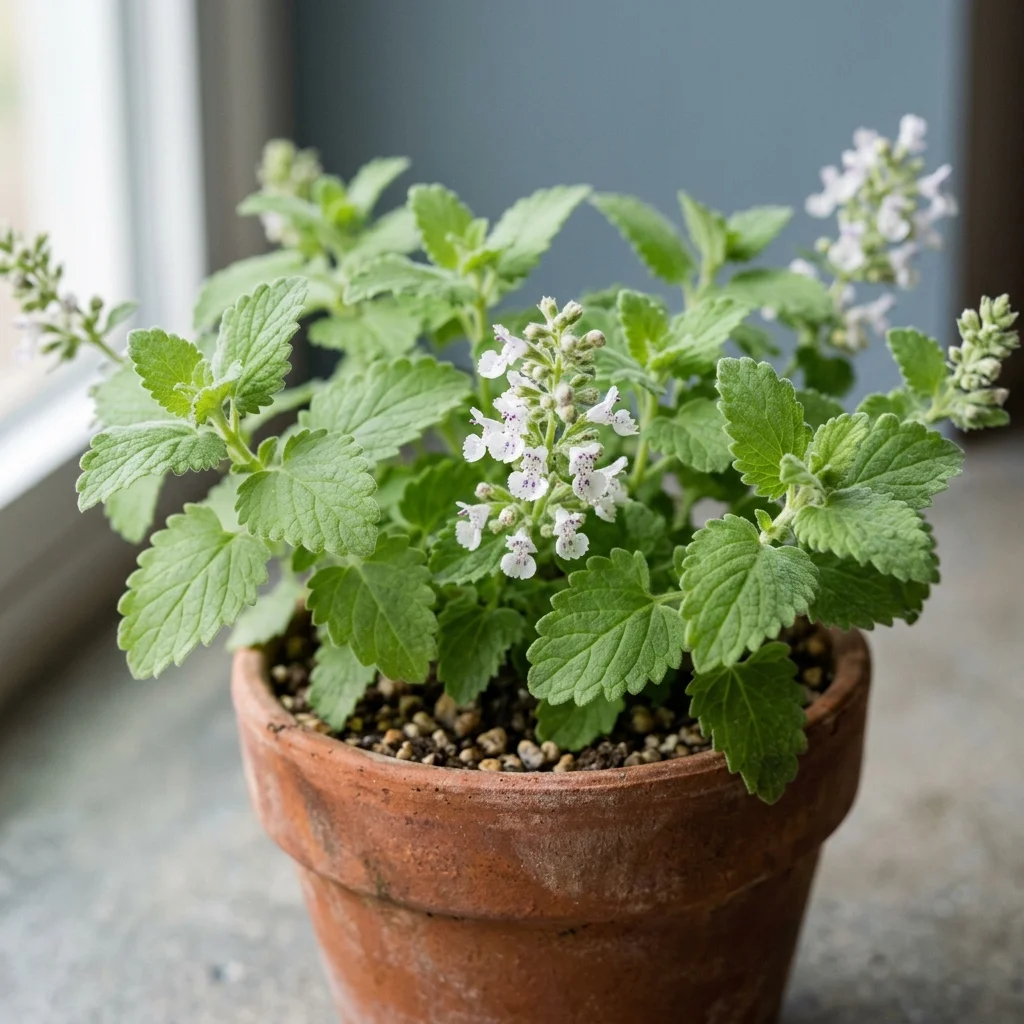
How to Identify Lemon Catnip
Lemon Catnip (Nepeta cataria 'Citriodora') is a remarkable botanical species widely appreciated for its unique aesthetic and structural appeal. Recognizing its definitive visual traits is key to distinguishing it from other similar plants.
-
✔
Key Visual Features: Square stems covered in opposite, heart-shaped, scalloped leaves with a slightly grayish-green, fuzzy texture. Produces terminal spikes of tiny, white or pale purple-spotted flowers.
-
✔
Color Variations: Dusty, grayish-green foliage with small, delicate white to pale lilac blooms.
-
✔
Common Confusions: Often confused with lemon balm (which has a very similar scent but broader, greener, deeply wrinkled leaves) or regular catnip (which smells skunky or minty rather than lemony).
Complete Care & Cultivation Guide
Follow our detailed scientific care guide to keep your Lemon Catnip thriving and gorgeous all year round.
Common Diseases & Treatment
Root Rot (Overwatering)
Symptoms: Leaves turn soft and yellow at the base, shrivel and drop prematurely, accompanied by a mushy root system and foul soil odor.
Foliage Rust
Symptoms: Small powdery orange or brown pustules appear on the linear leaves under humid, poorly ventilated indoor conditions.
Frequently Asked Questions
Q: Will cats still be attracted to Lemon Catnip?
A: Yes, it still contains nepetalactone, the compound that attracts cats, though sometimes the strong lemon scent makes it slightly less appealing to them than standard catnip.
Q: How often should I water my potted Lemon Catnip?
A: It is highly drought-tolerant. Allow the top two inches of soil to dry out completely before watering. Overwatering will quickly lead to root rot and a loss of its lemony fragrance.
Q: Do I need to fertilize Lemon Catnip?
A: No. Like many Mediterranean-style herbs, it performs best in poor, lean soils. Rich, heavily fertilized soil will cause it to grow floppy, watery, and lose its essential oils.
Q: Does Lemon Catnip repel mosquitoes?
A: Yes, the lemony essential oils in the foliage are a natural mosquito repellent. Crushing the leaves and rubbing them on your skin provides temporary protection.