Plantain Weed Care & Identification Guide
Plantain (Plantago major), often dismissed as a persistent lawn weed, is actually one of the most historically significant and versatile medicinal herbs on the planet. Famed for its exceptional soothing and tissue-healing properties, it has been used globally for centuries as a "green bandage" for insect bites, stings, and minor scrapes. Exceptionally tough and capable of thriving in highly compacted, heavily trampled soils, this low-growing perennial is an indispensable, rugged ally in any wildcrafting or survival garden.




How to Identify Plantain Weed
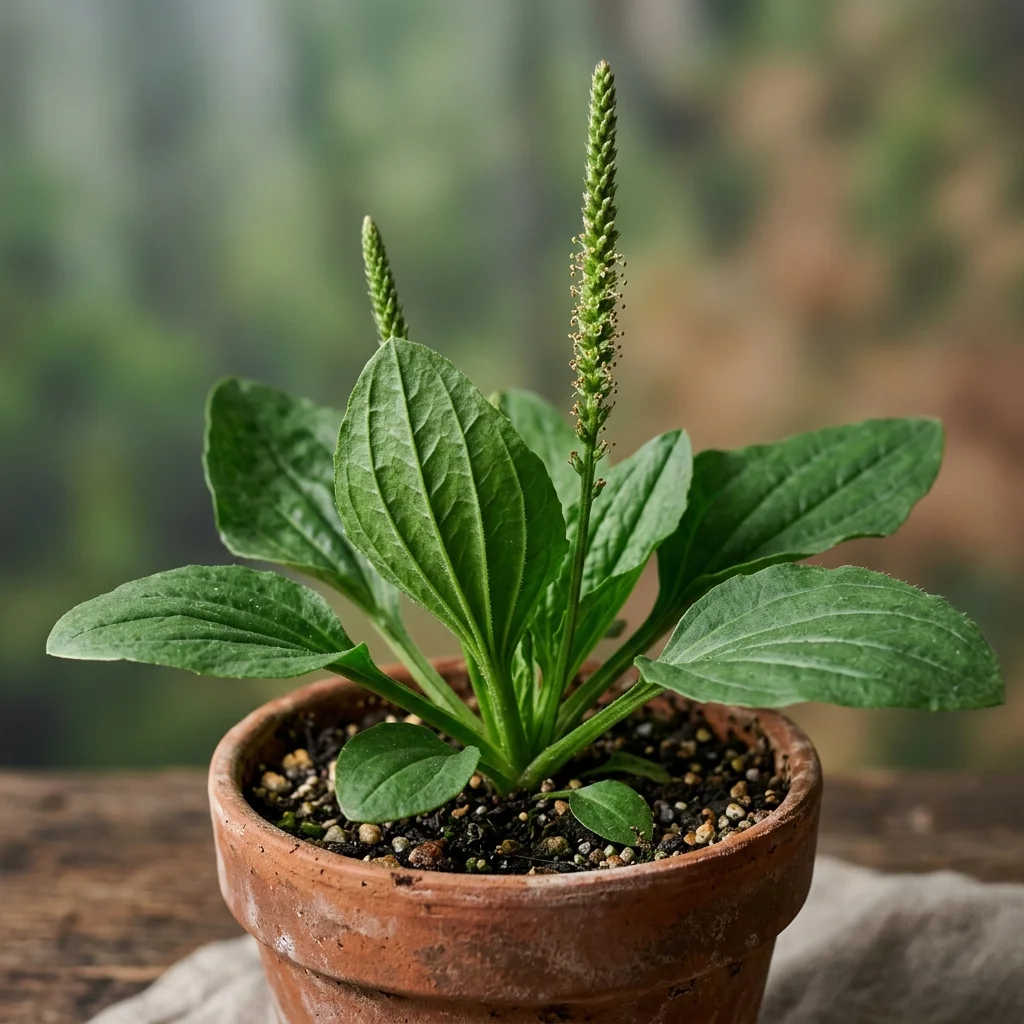
Plantain Weed (Plantago major) is a remarkable botanical species widely appreciated for its unique aesthetic and structural appeal. Recognizing its definitive visual traits is key to distinguishing it from other similar plants.
-
✔
Key Visual Features: A very low, flat basal rosette of broad, thick, oval leaves characterized by 5 to 7 highly prominent, parallel, rubbery veins running from the base to the tip. Produces tall, slender, rat-tail-like spikes of tiny, inconspicuous greenish-brown flowers.
-
✔
Color Variations: Medium to dark dull green leaves with tough, stringy, whitish-green parallel veins.
-
✔
Common Confusions: Often confused with hostas when young, but plantain is much smaller, tougher, and grows in compacted, dry soils rather than rich woodland shade. It is totally unrelated to the banana-like plantain fruit.
Complete Care & Cultivation Guide
Follow our detailed scientific care guide to keep your Plantain Weed thriving and gorgeous all year round.
Common Diseases & Treatment
Root Rot (Overwatering)
Symptoms: Leaves turn soft and yellow at the base, shrivel and drop prematurely, accompanied by a mushy root system and foul soil odor.
Foliage Rust
Symptoms: Small powdery orange or brown pustules appear on the linear leaves under humid, poorly ventilated indoor conditions.
Frequently Asked Questions
Q: How do you use Plantain for an insect bite?
A: The most traditional method is a "poultice." Pick a fresh, clean leaf, chew it slightly or crush it thoroughly to release the juices, and apply the mashed leaf directly to the sting or bite to rapidly draw out toxins and reduce swelling.
Q: Why is Plantain growing all over my lawn?
A: Plantain thrives in highly compacted, nutrient-poor soils where grass struggles to grow. Its presence is often an indicator that your lawn soil needs severe aeration and organic amendments.
Q: Are Plantain leaves edible?
A: Yes, the very young, tender spring leaves can be eaten raw in salads. However, the mature leaves are incredibly tough, fibrous, and stringy (due to the strong parallel veins) and are best used only for medicinal teas or poultices.
Q: Does Plantain need full sun?
A: It is incredibly adaptable. It will grow in baking full sun, partial shade, or the cracks of a concrete sidewalk, provided it isn't completely smothered by taller plants.