Rosemary Care & Identification Guide
Rosemary (Salvia rosmarinus) is a magnificent, woody, evergreen Mediterranean shrub that stands as a titan of the culinary herb garden. Highly prized for its incredibly potent, pine-like fragrance and savory depth, it is indispensable in roasting meats and hearty stews. A true desert survivor, it demands blazing sun, fierce heat, and exceptionally fast-draining, dry soil. Whether grown as a sprawling garden hedge or a meticulously pruned patio topiary, it provides striking, structural beauty and year-round flavor.




How to Identify Rosemary
Rosemary (Salvia rosmarinus) is a remarkable botanical species widely appreciated for its unique aesthetic and structural appeal. Recognizing its definitive visual traits is key to distinguishing it from other similar plants.
-
✔
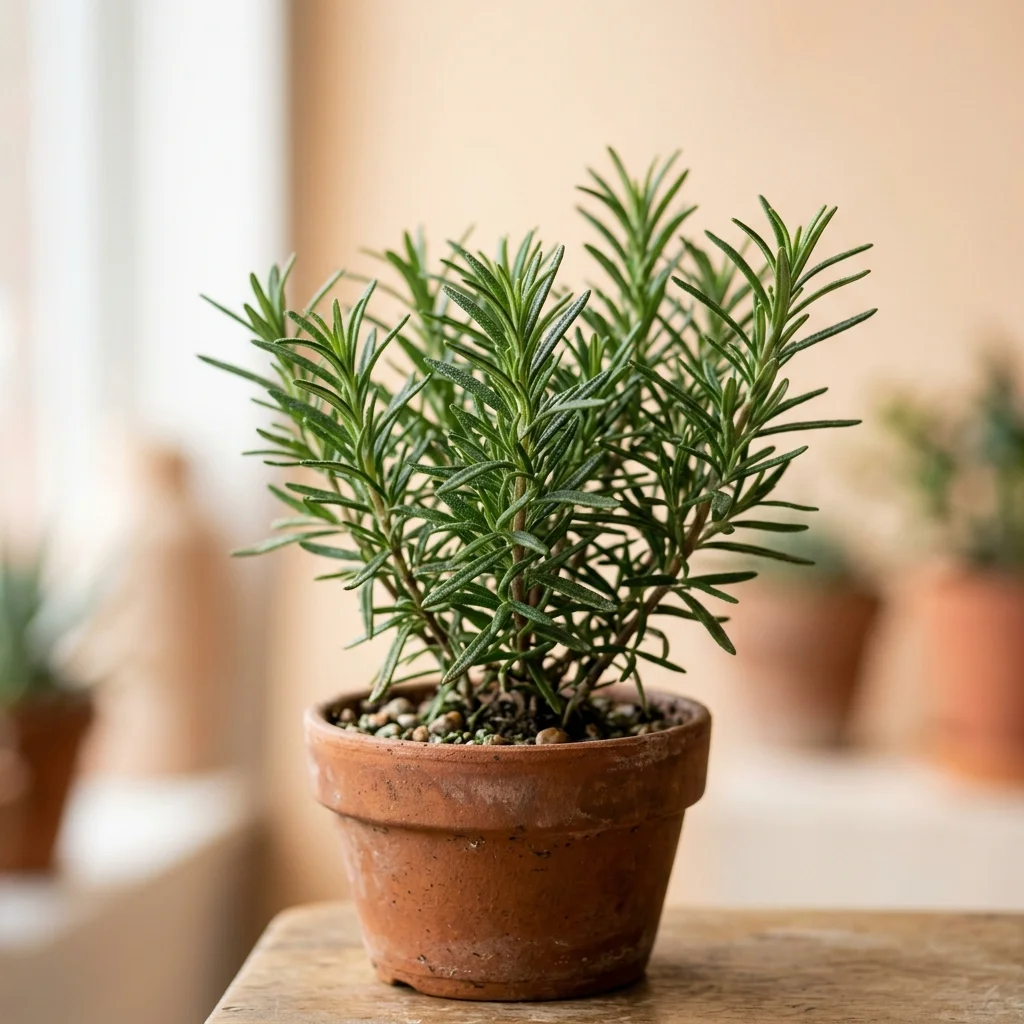
Key Visual Features: Dense, woody, branching shrub. Leaves are opposite, leathery, incredibly narrow (needle-like), dark glossy green on top, and powdery white underneath. Produces small, two-lipped, pale blue or purple flowers clustered along the stems.
-
✔
Color Variations: Deep, glossy, resinous green foliage with grayish-white undersides, speckled with delicate pale blue, lilac, or sometimes white blossoms.
-
✔
Common Confusions: Closely resembles lavender (which has softer, grayer, less glossy leaves and a very different, floral scent) or young pine trees, but rosemary's intense, savory, resinous-pine aroma is unmistakable.
Complete Care & Cultivation Guide
Follow our detailed scientific care guide to keep your Rosemary thriving and gorgeous all year round.
Common Diseases & Treatment
Root Rot (Overwatering)
Symptoms: Leaves turn soft and yellow at the base, shrivel and drop prematurely, accompanied by a mushy root system and foul soil odor.
Powdery Mildew
Symptoms: A dusty white or gray powdery coating spreads across the broad leaves, causing distorted growth in stagnant rooms.
Frequently Asked Questions
Q: Why does my indoor potted Rosemary keep dying?
A: Indoor rosemary usually dies from a combination of overwatering, poor air circulation, and a lack of intense, direct sunlight. It must have bone-dry soil between waterings, a highly porous terracotta pot, and the brightest south-facing window available.
Q: How cold can Rosemary tolerate?
A: Standard rosemary is hardy only to Zone 8 (about 15°F / -9°C). In colder climates, it must be grown in a pot and brought indoors or into a cool, bright garage for the winter. (Cultivars like 'Arp' are slightly more cold-hardy).
Q: How do I harvest Rosemary without killing the plant?
A: Snip the soft, flexible, bright green new growth at the tips of the branches. Never cut deep into the old, hard, brown woody stems, as they will not regrow new leaves.
Q: Does Rosemary need fertilizer?
A: No, it thrives on neglect. In its native Mediterranean habitat, it grows in pure, rocky, nutrient-poor soil. Heavy fertilization will cause weak, floppy growth and severely dilute the concentration of its fragrant essential oils.