Scented Geranium Care & Identification Guide
Scented Geranium (Pelargonium spp.) encompasses a massive, diverse family of tender perennial subshrubs celebrated entirely for their astonishingly fragrant foliage. From intense rose and zesty lemon to spicy nutmeg and crisp apple, the velvety, deeply lobed leaves release captivating aromas when brushed. Thriving in bright sun and well-draining soil, they are the ultimate interactive, sensory houseplant and a beloved staple of Victorian window boxes.





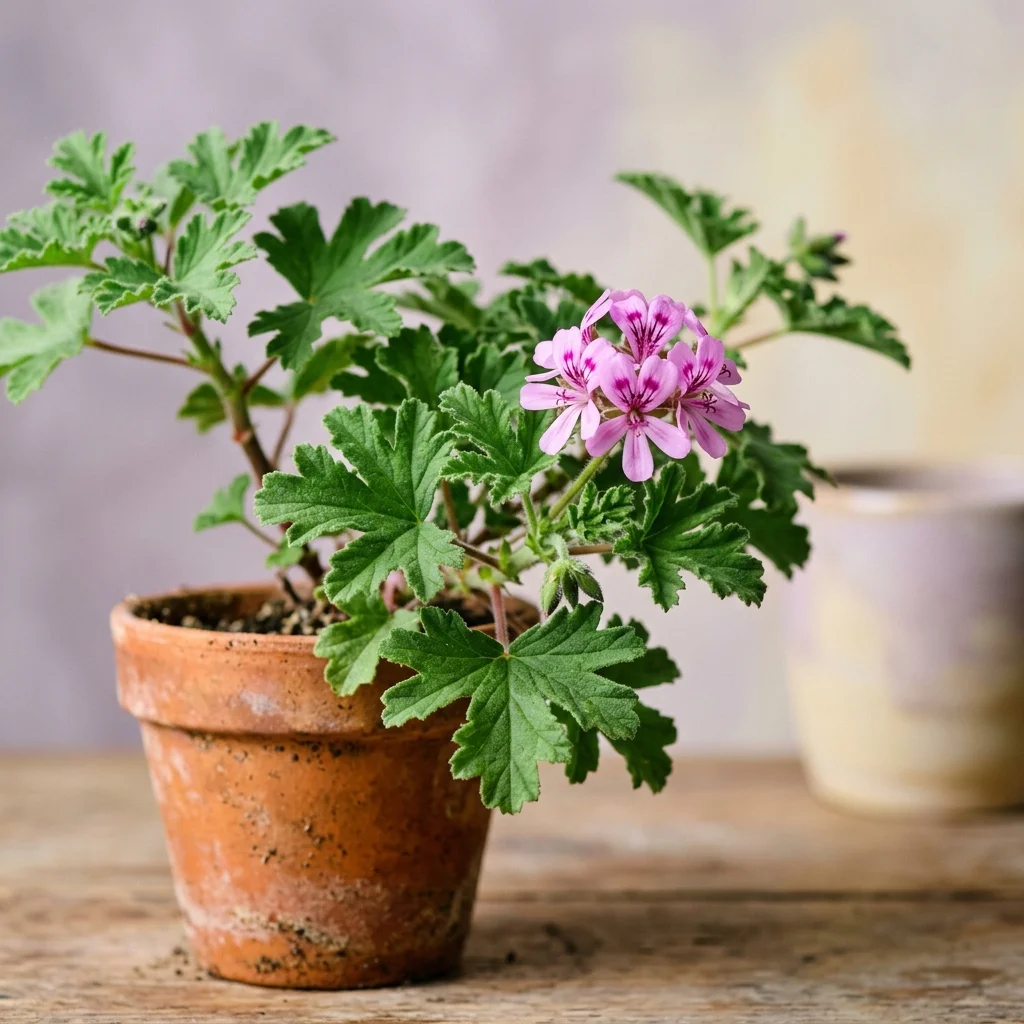
How to Identify Scented Geranium
Scented Geranium (Pelargonium graveolens) is a remarkable botanical species widely appreciated for its unique aesthetic and structural appeal. Recognizing its definitive visual traits is key to distinguishing it from other similar plants.
-
✔
Key Visual Features: Woody-stemmed, bushy plants with highly variable, deeply lobed, often fuzzy or velvety leaves. Produces small, delicate, asymmetrical five-petaled flowers (usually pink, white, or pale purple) that are much smaller than traditional bedding geraniums.
-
✔
Color Variations: Leaves range from bright lime green to dark green, often with silver or purple variegation. Flowers are typically small, delicate pastels.
-
✔
Common Confusions: Often confused with standard ornamental zonal geraniums, but scented geraniums are grown for their fragrant leaves, not their large showy flowers, and feature much more deeply cut, varied foliage shapes.
Complete Care & Cultivation Guide
Follow our detailed scientific care guide to keep your Scented Geranium thriving and gorgeous all year round.
Common Diseases & Treatment
Root Rot (Overwatering)
Symptoms: Leaves turn soft and yellow at the base, shrivel and drop prematurely, accompanied by a mushy root system and foul soil odor.
Foliage Rust
Symptoms: Small powdery orange or brown pustules appear on the linear leaves under humid, poorly ventilated indoor conditions.
Frequently Asked Questions
Q: Why isn't my Scented Geranium blooming?
A: Scented geraniums are grown primarily for their foliage and are naturally sparse bloomers. However, to encourage flowers, ensure they receive full, direct sunlight and avoid high-nitrogen fertilizers.
Q: How often should I water Scented Geraniums indoors?
A: Treat them almost like succulents. Allow the top half of the potting soil to dry out completely before watering thoroughly. Overwatering quickly leads to stem rot and yellowing leaves.
Q: Can Scented Geraniums survive the winter outside?
A: No, they are tender tropicals (hardy only to Zone 10). They must be brought indoors before the first frost and kept in a bright, cool, sunny room throughout the winter.
Q: Are the leaves of Scented Geraniums edible?
A: Yes, many varieties (especially rose and lemon scented) are used to flavor sugars, jellies, cakes, and teas. Ensure the plant was grown organically before consuming.