Sorrel Care & Identification Guide
Sorrel (Rumex acetosa) is a vibrant, cold-hardy perennial herb wildly celebrated by chefs for its shocking, mouth-puckering, sour green-apple flavor. A cornerstone of classic French spring soups and sauces, it thrives in rich, moist soil and cool weather, being one of the absolute first greens to emerge as the snow melts. Whether you grow the classic broadleaf variety or the stunning red-veined ornamental type, sorrel provides an unparalleled, acidic, citrusy punch to the culinary garden.





How to Identify Sorrel
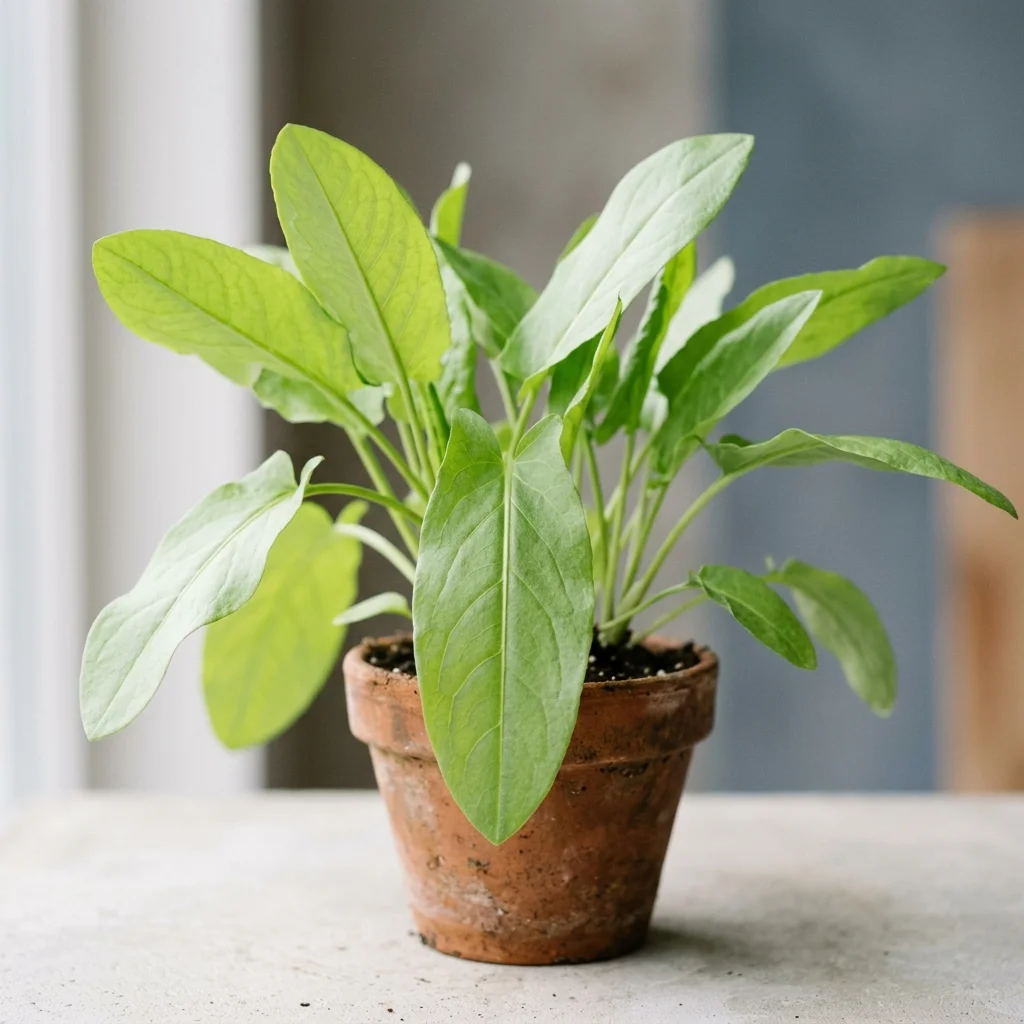
Sorrel (Rumex acetosa) is a remarkable botanical species widely appreciated for its unique aesthetic and structural appeal. Recognizing its definitive visual traits is key to distinguishing it from other similar plants.
-
✔
Key Visual Features: Forms a dense basal rosette of smooth, bright green, arrow-shaped (sagittate) leaves featuring two distinct lobes at the base pointing backward. Sends up a tall, reddish stalk bearing whorls of tiny, reddish-green flowers.
-
✔
Color Variations: Standard sorrel has bright, vivid green leaves. "Red-veined sorrel" (Rumex sanguineus) features striking, blood-red veins crisscrossing the green leaves.
-
✔
Common Confusions: Frequently confused with true spinach or wild dock. However, biting into a sorrel leaf instantly reveals an intensely sharp, sour, lemon-like acidity that spinach and dock lack.
Complete Care & Cultivation Guide
Follow our detailed scientific care guide to keep your Sorrel thriving and gorgeous all year round.
Common Diseases & Treatment
Root Rot (Overwatering)
Symptoms: Leaves turn soft and yellow at the base, shrivel and drop prematurely, accompanied by a mushy root system and foul soil odor.
Powdery Mildew
Symptoms: A dusty white or gray powdery coating spreads across the broad leaves, causing distorted growth in stagnant rooms.
Frequently Asked Questions
Q: Why is my Sorrel so incredibly sour?
A: The intense, sour, citrusy flavor is caused by high levels of oxalic acid. While delicious and tangy in small amounts, it should be consumed in moderation, especially by individuals with kidney stones or rheumatism.
Q: Should I let my Sorrel plant flower?
A: Absolutely not, if you want to keep eating it. Once the tall, reddish flower stalks emerge in late spring, the leaves become extremely tough, fibrous, and overly bitter. Cut the stalks off immediately.
Q: Why are the leaves of my Sorrel full of holes?
A: Sorrel is highly susceptible to slugs, snails, and leaf miners, which love the tender, moist spring foliage. Use organic slug bait or pick them off by hand, and remove heavily damaged leaves.
Q: Does Sorrel survive the winter?
A: It is incredibly cold-hardy (down to Zone 3). The foliage may die back in severe freezes, but the deep taproot easily survives the winter, bursting forth with fresh, tart leaves at the first sign of spring thaw.