Sweet Marjoram Care & Identification Guide
Sweet Marjoram (Origanum majorana) is an exquisite, tender perennial herb that offers a refined, delicate, and deeply sweet alternative to its robust cousin, oregano. A cornerstone of Mediterranean and Middle Eastern cuisines (and a key ingredient in Za'atar), it thrives in warm, dry climates and exceptionally well-draining soil. With its soft, velvety gray-green leaves and mild, floral-pine flavor, it is an essential, highly aromatic addition to sunny patio pots and refined culinary gardens.





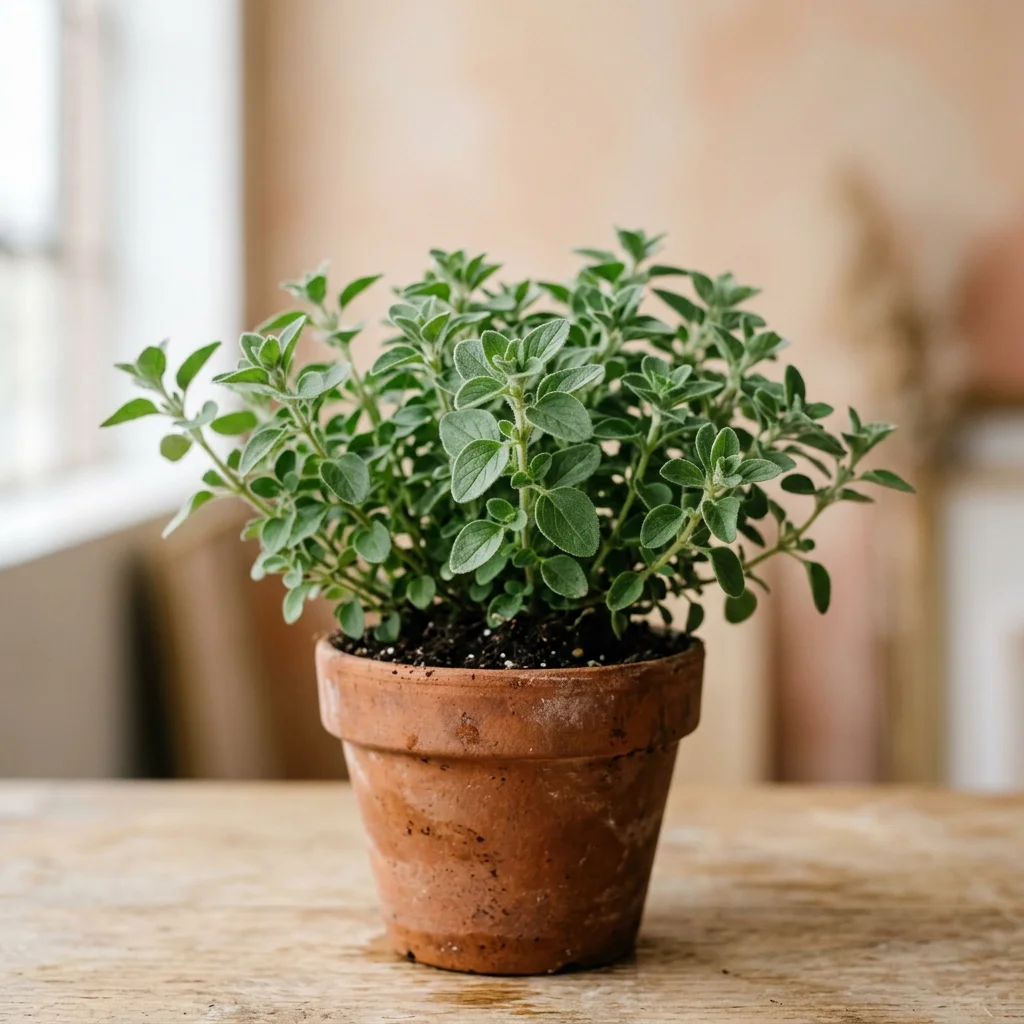
How to Identify Sweet Marjoram
Sweet Marjoram (Origanum majorana) is a remarkable botanical species widely appreciated for its unique aesthetic and structural appeal. Recognizing its definitive visual traits is key to distinguishing it from other similar plants.
-
✔
Key Visual Features: Low, bushy, sprawling growth with reddish, slightly hairy stems. Leaves are small, opposite, ovate, and covered in fine, soft fuzz. Produces distinctive, tiny, knot-like green clusters (bracts) from which tiny white or pale pink flowers emerge.
-
✔
Color Variations: Soft, dusty, pale grayish-green foliage with small, knot-like green flower heads and white blossoms.
-
✔
Common Confusions: Extremely similar in appearance to common or Greek oregano. However, sweet marjoram has softer, fuzzier leaves, unique "knot-like" flower buds, and a much milder, sweeter, floral aroma lacking oregano's intense peppery bite.
Complete Care & Cultivation Guide
Follow our detailed scientific care guide to keep your Sweet Marjoram thriving and gorgeous all year round.
Common Diseases & Treatment
Root Rot (Overwatering)
Symptoms: Leaves turn soft and yellow at the base, shrivel and drop prematurely, accompanied by a mushy root system and foul soil odor.
Powdery Mildew
Symptoms: A dusty white or gray powdery coating spreads across the broad leaves, causing distorted growth in stagnant rooms.
Frequently Asked Questions
Q: Can Sweet Marjoram survive the winter outside?
A: No, it is highly frost-tender (hardy only to Zone 9). In most climates, it is grown as a summer annual or brought indoors to a bright, sunny windowsill before the first autumn freeze.
Q: What is the culinary difference between Marjoram and Oregano?
A: Oregano is intense, pungent, and spicy, holding up well to heavy, long-cooked tomato sauces. Marjoram is much sweeter, milder, and floral, and is best added at the very end of cooking to preserve its delicate flavor.
Q: How often should I water my potted Sweet Marjoram?
A: Like most Mediterranean herbs, it requires excellent drainage and a "soak and dry" cycle. Wait until the top two inches of soil are completely dry before watering thoroughly.
Q: When is the best time to harvest the leaves?
A: Harvest the tender tips continuously throughout the summer. The flavor is most intense just before the tiny, knot-like flower buds open.