Valerian Care & Identification Guide
Valerian (Valeriana officinalis) is a towering, elegant perennial herb globally renowned in traditional medicine for its profoundly sedative, sleep-inducing roots. Native to damp meadows and woodland edges, it thrives in rich, moist soil and partial sun. While its tall, hollow stems and frothy, sweet-smelling pinkish-white flowers make a majestic architectural statement in the summer garden, its knobby, earthy roots are infamous for their incredibly strong, pungent, musky odor that acts like catnip to some felines.





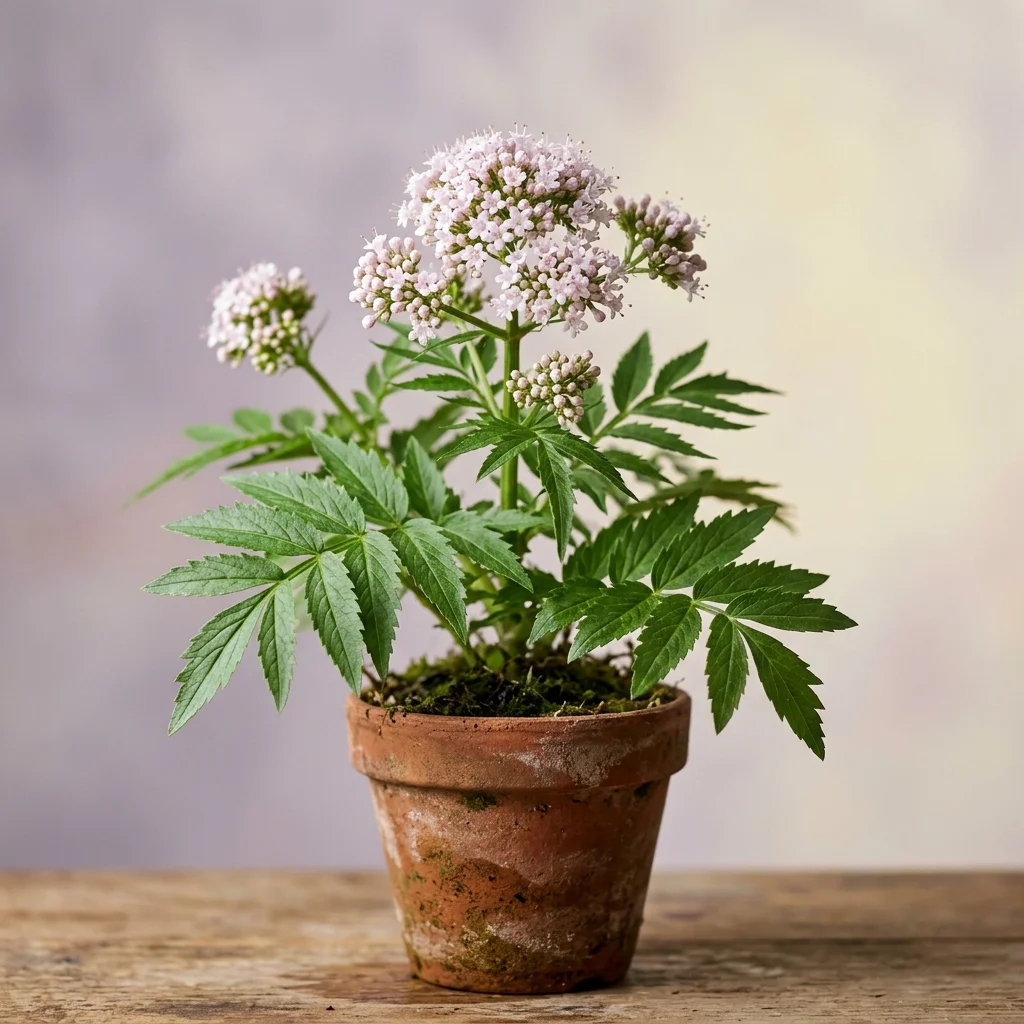
How to Identify Valerian
Valerian (Valeriana officinalis) is a remarkable botanical species widely appreciated for its unique aesthetic and structural appeal. Recognizing its definitive visual traits is key to distinguishing it from other similar plants.
-
✔
Key Visual Features: A basal rosette of deeply divided, pinnate leaves. Sends up a towering, hollow, grooved flower stalk (often 4-6 feet tall) topped with dense, rounded, umbrella-like clusters of tiny, sweet-scented white or pale pink flowers.
-
✔
Color Variations: Dark green, lacy foliage with frothy pale pink or stark white floral clusters.
-
✔
Common Confusions: Can vaguely resemble yarrow or meadowsweet from a distance due to the lacy leaves and white floral clusters, but valerian is taller, and the intensely pungent, earthy, "dirty sock" smell of its roots is entirely unique.
Complete Care & Cultivation Guide
Follow our detailed scientific care guide to keep your Valerian thriving and gorgeous all year round.
Common Diseases & Treatment
Root Rot (Overwatering)
Symptoms: Leaves turn soft and yellow at the base, shrivel and drop prematurely, accompanied by a mushy root system and foul soil odor.
Foliage Rust
Symptoms: Small powdery orange or brown pustules appear on the linear leaves under humid, poorly ventilated indoor conditions.
Frequently Asked Questions
Q: Why do my cats roll in the Valerian plant?
A: Valerian root contains actinidine, a compound structurally similar to the active ingredient in catnip. It acts as a powerful attractant and stimulant for many cats, who may dig up the plant to roll in the roots.
Q: When do I harvest Valerian root?
A: Harvest the thick, knobby roots in the late autumn of the plant's second year, after the upper foliage has died back. This is when the sedative essential oils are most highly concentrated.
Q: Does the flower smell bad?
A: No! The flowers have a wonderfully sweet, cherry-vanilla or heliotrope-like fragrance. Only the dried roots possess the infamous, pungent, musky odor (often compared to old cheese or dirty socks).
Q: Will Valerian spread in my garden?
A: It can self-seed quite prolifically in moist, rich soil. To control its spread and direct energy back into the medicinal roots, meticulously cut off the tall flower stalks before they drop seeds.