White Sage Care & Identification Guide
White Sage (Salvia apiana) is an incredibly striking, deeply sacred evergreen shrub native to the arid, sun-baked deserts of Southern California and Baja. Famous for its thick, silvery-white leaves and powerfully pungent, cleansing aroma, it is traditionally bundled and burned in Indigenous smudging ceremonies. Thriving only in blazing heat, intense sun, and bone-dry, fast-draining soil, it is a challenging but immensely rewarding plant that brings a majestic, ghostly beauty and profound fragrance to the xeriscape garden.





How to Identify White Sage
White Sage (Salvia apiana) is a remarkable botanical species widely appreciated for its unique aesthetic and structural appeal. Recognizing its definitive visual traits is key to distinguishing it from other similar plants.
-
✔
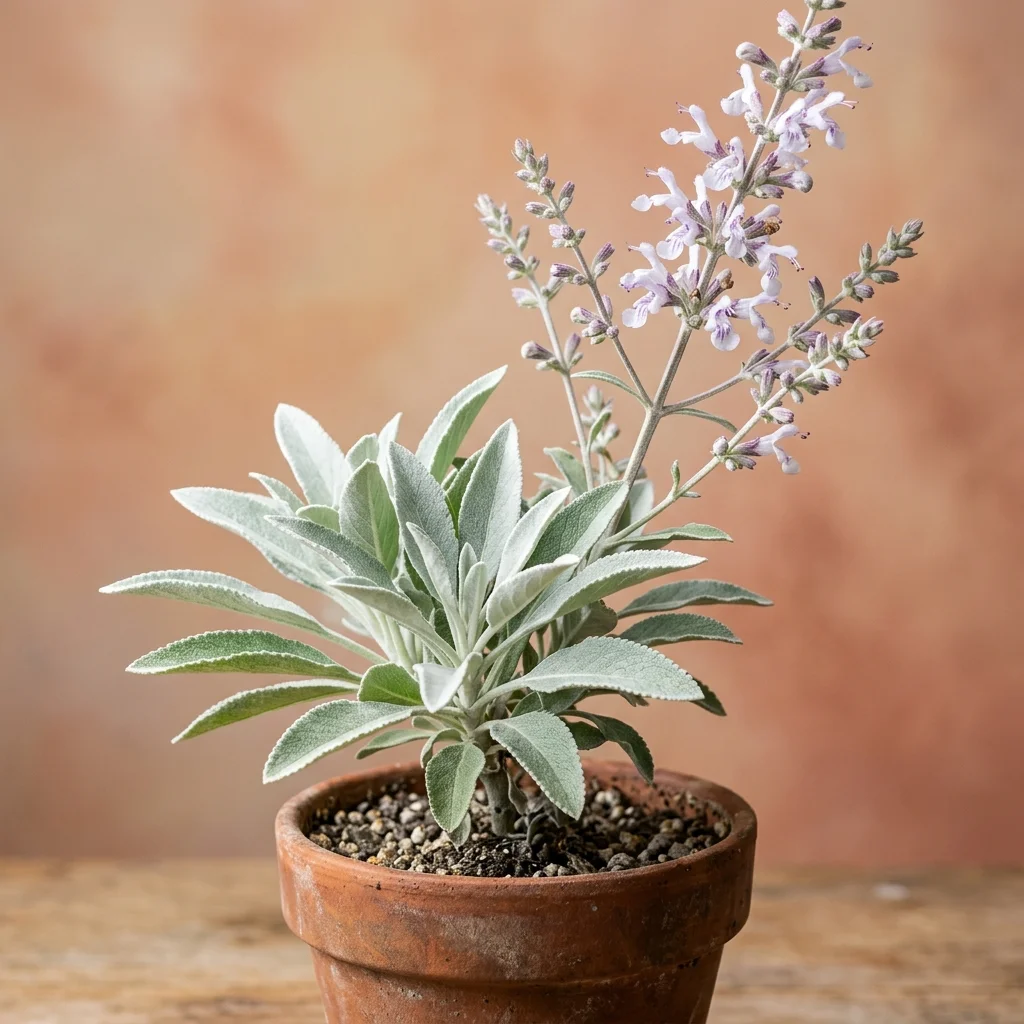
Key Visual Features: Stiff, woody stems bearing large, lance-shaped leaves that are completely covered in dense, silvery-white hairs. Produces towering, wand-like spikes (often 4-6 feet tall) of sparse, two-lipped, white or pale lavender flowers favored by massive bumblebees.
-
✔
Color Variations: Distinctive ghostly, pure silvery-white foliage that looks almost glowing in the moonlight, topped with tall, pale whitish-purple flower spikes.
-
✔
Common Confusions: Often confused with common garden sage (Salvia officinalis), but white sage is much larger, has significantly whiter, thicker leaves, and possesses a much sharper, more resinous, intense desert aroma.
Complete Care & Cultivation Guide
Follow our detailed scientific care guide to keep your White Sage thriving and gorgeous all year round.
Common Diseases & Treatment
Root Rot (Overwatering)
Symptoms: Leaves turn soft and yellow at the base, shrivel and drop prematurely, accompanied by a mushy root system and foul soil odor.
Foliage Rust
Symptoms: Small powdery orange or brown pustules appear on the linear leaves under humid, poorly ventilated indoor conditions.
Frequently Asked Questions
Q: Why did my White Sage die after I watered it?
A: White sage is highly susceptible to root rot. It absolutely despises wet soil, high humidity, and poor drainage. It must be planted in pure sand or gravelly soil, and should almost never be watered once established.
Q: Can I grow White Sage indoors?
A: It is incredibly difficult to grow indoors. It requires blazing, direct, intense sunlight and extremely dry air, conditions that are rarely achievable in a standard home without powerful grow lights and a dehumidifier.
Q: Is White Sage cold hardy?
A: No, it is a desert plant (hardy only to Zone 8). In wet or freezing winters, it will quickly rot and die. In cold climates, it must be grown in a highly porous terracotta pot and brought into a cool, dry, bright room.
Q: How do I harvest White Sage sustainably?
A: Never pull the plant from the roots or strip the main stems bare. Carefully snip small side branches using sharp shears, ensuring you leave plenty of foliage for the plant to continue photosynthesizing and growing.