Wild Bergamot Care & Identification Guide
Wild Bergamot (Monarda fistulosa) is a rugged, deeply aromatic North American prairie perennial that boasts spectacular, explosive, ragged purple blooms and a potent, spicy-sweet oregano-mint fragrance. Exceptionally drought-tolerant and adaptable, it thrives in full sun and well-draining soil. As a critical native nectar source, its tubular summer flowers attract massive clouds of butterflies, hummingbirds, and bees, making it a rugged, incredibly beautiful, and ecologically vital centerpiece for any wild meadow or pollinator garden.





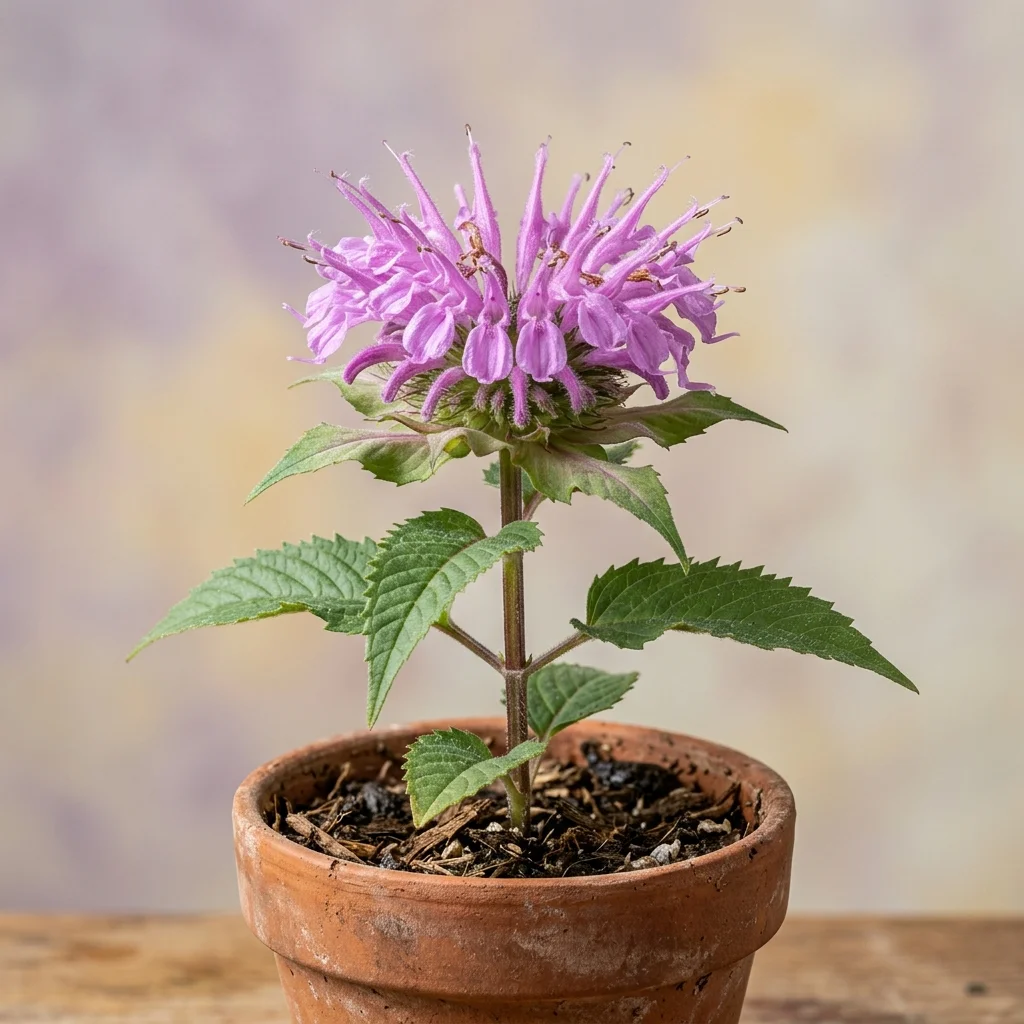
How to Identify Wild Bergamot
Wild Bergamot (Monarda fistulosa) is a remarkable botanical species widely appreciated for its unique aesthetic and structural appeal. Recognizing its definitive visual traits is key to distinguishing it from other similar plants.
-
✔
Key Visual Features: Upright, square, slightly hairy stems branching frequently. Leaves are opposite, lance-shaped, and sharply toothed. Produces highly distinctive, ragged, exploding, spherical flower heads composed of tubular, pale lilac or lavender petals.
-
✔
Color Variations: Dusty, grayish-green foliage topped with vibrant, messy, "bad-hair-day" blooms of pale lavender, lilac, or soft pink.
-
✔
Common Confusions: Closely related to bee balm (Monarda didyma), but wild bergamot (fistulosa) typically has lavender/pink flowers, fuzzy grayish leaves, and is far more drought-tolerant than the red-flowered, moisture-loving bee balm.
Complete Care & Cultivation Guide
Follow our detailed scientific care guide to keep your Wild Bergamot thriving and gorgeous all year round.
Common Diseases & Treatment
Root Rot (Overwatering)
Symptoms: Leaves turn soft and yellow at the base, shrivel and drop prematurely, accompanied by a mushy root system and foul soil odor.
Foliage Rust
Symptoms: Small powdery orange or brown pustules appear on the linear leaves under humid, poorly ventilated indoor conditions.
Frequently Asked Questions
Q: Why are the leaves on my Wild Bergamot turning white and powdery?
A: Like all Monarda species, it is highly susceptible to powdery mildew, especially in humid conditions with poor airflow. To minimize this, plant it in full, blazing sun and space the plants far apart to ensure a strong breeze.
Q: Does Wild Bergamot spread aggressively?
A: Yes, it spreads via shallow, creeping rhizomes. While less aggressive than true mint, it will easily form large, sprawling colonies in a garden bed. Divide the clumps every 2-3 years to keep them contained and healthy.
Q: Can I use Wild Bergamot for tea?
A: Absolutely. The leaves and flowers have a strong, spicy, slightly medicinal mint-oregano flavor. It is historically used to brew soothing teas for digestion and colds.
Q: How often should I water it?
A: Wild bergamot is highly drought-tolerant once established. Water deeply only during extended dry spells; overwatering will rapidly encourage powdery mildew and root rot.