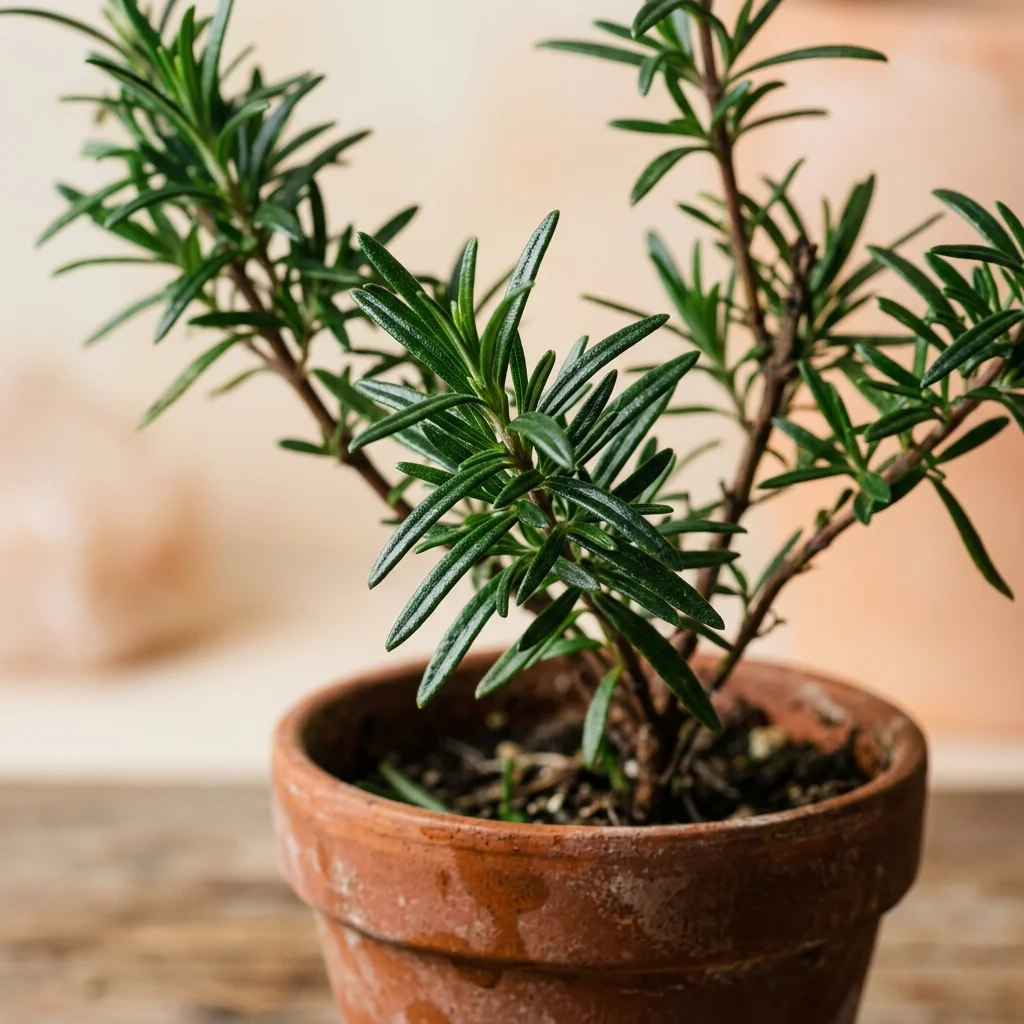
Satureja montana

Winter Savory Care & Identification Guide

Winter Savory (Satureja montana) is a rugged, deeply aromatic, semi-evergreen perennial subshrub that provides a fierce, sharp, peppery, and intensely pine-like flavor long after delicate summer herbs have perished. Native to the rocky, arid slopes of the Mediterranean, it demands fierce sun, excellent drainage, and total neglect. Forming a dense, woody, low-growing mound, it is an exceptionally hardy culinary powerhouse, perfect for flavoring hearty winter stews, heavy beans, and roasted meats.


Sunlight Icon
Sunlight Full Sun (6+ hours of direct sun daily)
Watering Icon
Watering Low to Moderate (allow top soil to dry)
Soil Mix Icon
Soil Mix Highly porous, fast-draining potting loam
Temperature Icon
Temperature 15°C - 25°C
Toxicity Warning Icon
Toxicity Non-toxic to pets (safe for culinary gardens)
Botanical macro photography of Winter Savory (Satureja montana) - Plant AI care database

How to Identify Winter Savory

Winter Savory (Satureja montana) is a remarkable botanical species widely appreciated for its unique aesthetic and structural appeal. Recognizing its definitive visual traits is key to distinguishing it from other similar plants.

  • Key Visual Features: Low, bushy, sprawling growth with highly woody, stiff stems. Leaves are small, opposite, linear, thick, leathery, and sharply pointed. Produces sparse, delicate clusters of tiny white or pale lilac two-lipped flowers.
  • Color Variations: Dark, glossy, leathery green foliage that often takes on a purplish or bronze tint in cold winter weather, accompanied by small white blossoms.
  • Common Confusions: Often confused with summer savory (which is a soft, green, delicate annual) or thyme. Winter savory is distinguished by its tough, woody, highly stiff stems and incredibly sharp, biting, almost spicy pine flavor.
💡 Plant AI Tip: Not sure? Take a photo with Plant AI to identify your houseplants instantly.

Complete Care & Cultivation Guide

Follow our detailed scientific care guide to keep your Winter Savory thriving and gorgeous all year round.

Watering is highly variety-dependent, but the gold standard for potted culinary herbs is a strict 'soak and dry' cycle. For woody Mediterranean herbs like rosemary and thyme, allow the container soil to dry out 100% throughout the pot before watering. For leafy herbs like basil and mint, water deeply when the top 1 inch of potting soil feels dry. Never let potted culinary herbs sit in stagnant water trays, which causes instant root suffocation.
Pruning is the absolute lifeblood of culinary herbs. Regularly pinch back the terminal growing tips (top 2 inches of the stems) every 2 weeks to promote lateral branching and prevent the herb from growing leggy. Most importantly, immediately pinch off any emerging flower buds to prevent blooming and bolting, which chemically alters the leaf flavor and halts leaf production. Wipe broader foliage regularly with a soft damp cloth to clear indoor cooking grease and household dust.
Feed very lightly. Applying heavy synthetic nitrogen fertilizers will force rapid, watery vegetative growth that severely dilutes the concentration of aromatic essential oils, stripping the herbs of their culinary aroma and deep flavor. Feed only once a month in spring and summer with an organic liquid kelp or fish emulsion diluted to one-quarter strength.
Culinary herbs demand highly intense light to synthesize flavor compounds. Place them directly on the brightest south-facing kitchen windowsill or under strong indoor LED grow lights, ensuring 6 to 8 hours of direct solar exposure daily. Insufficient indoor light leads to weak, floppy leaves lacking essential aromatic oils.
Plant in an extremely fast-draining, lightweight potting mix. Combine 40% organic potting soil, 30% perlite, and 30% coarse sand or fine gravel, maintaining a neutral pH of 6.0 to 7.0. Fast drainage is absolutely essential to prevent stagnant indoor moisture around the crown.
Most culinary herbs propagate effortlessly via water cuttings or root division. Cut a 4-inch healthy stem below a node, strip the lower leaves, and submerge the cut end in a glass of water on a sunny window. Roots will emerge in 7 to 14 days, after which you can transplant into a potting mix.
Thrives in comfortable kitchen temperatures of 18°C to 24°C. Protect from cold window drafts during winter, and avoid placing pots directly near hot stoves, drafty doorways, or heating vents, which dry out the waxy foliage margins.
Always grow in porous clay or terracotta pots with large bottom drainage holes. Terracotta is highly superior because it allows potted roots to breathe and excess soil water to evaporate. Repot every spring to refresh the nutrient-depleted container soil and prune circling roots.
Prone to whiteflies, spider mites, and aphids in unventilated indoor spaces. Rinse the delicate herbs thoroughly in the sink and spray with a highly diluted organic insecticidal soap. Never use chemical pesticides on culinary herbs intended for consumption.
The number one killer in indoor herb pots is Root Rot from soggy soil. Stems turn soft and yellow at the base, and leaves droop. Prevent by using fast-draining soil and terracotta pots. Apply broad-spectrum copper fungicides only as a last resort.
For a steady kitchen harvest, practice rotational pinching. Harvesting the top leaves regularly keeps the plant compact, bushier, and prolongs its productive life cycle on your windowsill. Placing them near other plants creates a healthy microclimate.

Is your Winter Savory leaves turning yellow, dry or brown?

Keep your indoor garden vibrant. Take a photo with Plant AI to diagnose pests and leaf spot diseases instantly.

Diagnose My Plant

Common Diseases & Treatment

Root Rot (Overwatering)

Symptoms: Leaves turn soft and yellow at the base, shrivel and drop prematurely, accompanied by a mushy root system and foul soil odor.

Action: Drastically cut watering. Remove mushy leaves, wash away old soggy soil, prune rotten black roots, and repot in dry succulent mix with drainage holes.

Powdery Mildew

Symptoms: A dusty white or gray powdery coating spreads across the broad leaves, causing distorted growth in stagnant rooms.

Action: Space pots widely, avoid spraying water onto foliage, and apply an organic sulfur-based spray. Increase room airflow.

Frequently Asked Questions

Q: What is the difference between Winter Savory and Summer Savory?

A: Summer savory is a tender, fast-growing annual with a sweeter, more delicate, peppery flavor. Winter savory is a rugged, woody, evergreen perennial with a much sharper, fiercer, more pungent piney bite.

Q: How cold-hardy is Winter Savory?

A: It is incredibly tough (hardy down to Zone 4 or 5). It will easily survive freezing temperatures and snow, remaining semi-evergreen and providing fresh culinary harvests deep into the winter months.

Q: Does Winter Savory need a lot of water?

A: No, it thrives on neglect and drought. It requires exceptionally well-draining, poor, rocky soil. Overwatering or planting in heavy, wet clay will quickly cause the woody roots to rot and die.

Q: When and how should I prune Winter Savory?

A: Prune it back hard in early spring, cutting away the dead, woody interior stems to encourage a flush of dense, fresh green growth for the new season.

No more dying plants. Grow healthy greens today!

Get Started for Free