Wormwood Care & Identification Guide
Wormwood (Artemisia absinthium) is a striking, deeply historic, and powerfully bitter perennial subshrub most famous as the defining botanical ingredient in the legendary, controversial spirit, Absinthe. Native to arid, rocky wastelands, it thrives in poor soil, drought, and baking sun. With its stunning, deeply divided, powdery silver-gray foliage and its sharp, intensely pungent sage-like aroma, it provides unparalleled architectural contrast in the garden, though its potent, toxic essential oils demand absolute respect.





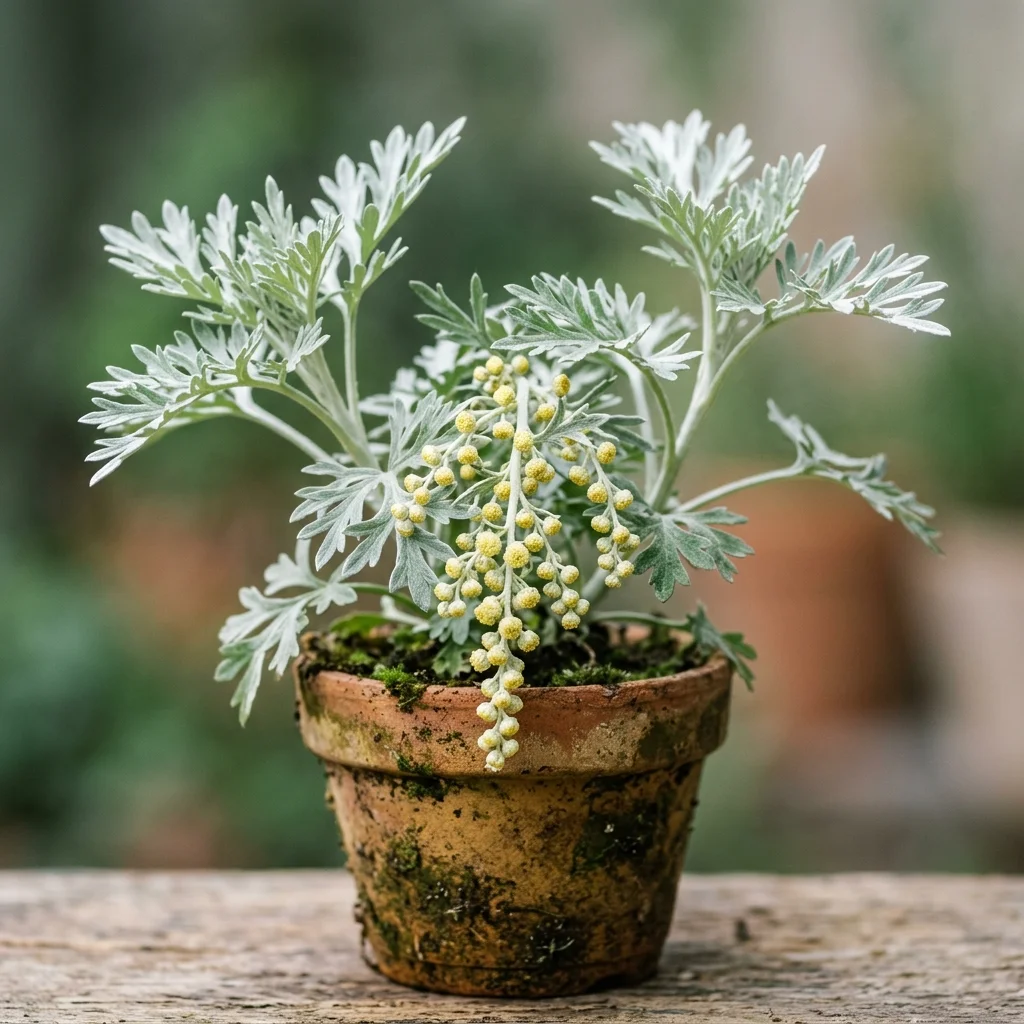
How to Identify Wormwood
Wormwood (Artemisia absinthium) is a remarkable botanical species widely appreciated for its unique aesthetic and structural appeal. Recognizing its definitive visual traits is key to distinguishing it from other similar plants.
-
✔
Key Visual Features: Upright, bushy, woody stems covered in highly divided, feathery, deeply lobed leaves. The entire plant is covered in fine, silky hairs, giving it a stark, powdery silver-gray appearance. Produces tall panicles of tiny, nodding, pale yellow, button-like flowers.
-
✔
Color Variations: Hauntingly beautiful, pale silvery-gray or frosted sage-green foliage topped with small, dull yellowish-green floral buttons.
-
✔
Common Confusions: Can be confused with mugwort (which is green on top and silver only underneath) or dusty miller, but wormwood's deeply divided silver leaves and intensely bitter, sharp, medicinal-sage aroma are unmistakable.
Complete Care & Cultivation Guide
Follow our detailed scientific care guide to keep your Wormwood thriving and gorgeous all year round.
Common Diseases & Treatment
Root Rot (Overwatering)
Symptoms: Leaves turn soft and yellow at the base, shrivel and drop prematurely, accompanied by a mushy root system and foul soil odor.
Foliage Rust
Symptoms: Small powdery orange or brown pustules appear on the linear leaves under humid, poorly ventilated indoor conditions.
Frequently Asked Questions
Q: Is Wormwood toxic or dangerous?
A: Yes, it contains thujone, a potent volatile oil that can cause severe neurological issues and liver damage if ingested in high doses or over long periods. It should never be used internally without strict expert guidance.
Q: Can I plant Wormwood near my vegetables?
A: Absolutely not. Wormwood is highly allelopathic, meaning its roots secrete toxic chemicals (absinthin) into the soil that actively stunt or kill nearby plants, especially fennel, sage, and most vegetables. Plant it in an isolated area.
Q: Does Wormwood repel insects?
A: Yes, the incredibly bitter, sharp aroma is a powerful natural deterrent for moths, fleas, and many garden pests. Dried wormwood bundles were historically used to protect clothing from moths.
Q: How often should I water Wormwood?
A: Almost never, once established. It is the ultimate drought-tolerant plant, thriving in bone-dry, rocky, poor soil. High humidity and overly wet roots will rapidly kill it.