Cardboard Palm Care & Identification Guide
The Cardboard Palm is a unique cycad native to the warm, sandy coastal dunes of eastern Mexico. Despite its palm-like name, it is a gymsomperm featuring a subterranean, fleshy trunk that produces a rosette of stiff, horizontal fronds. The leaflets are incredibly thick, fuzzy, and rigid, feeling exactly like cardboard, giving the plant its highly distinctive texture and architectural appeal. It is widely celebrated by botanists for its distinct environmental adaptability and structural appeal.





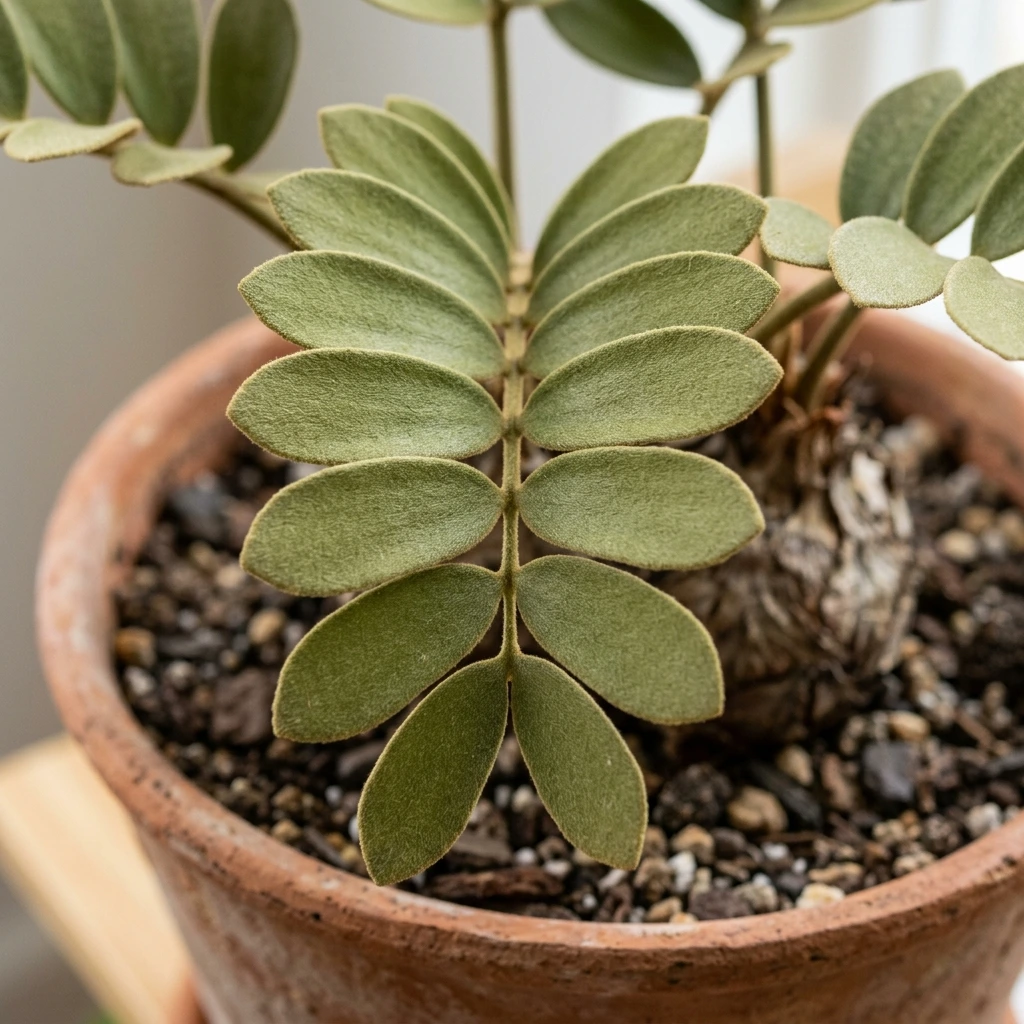
How to Identify Cardboard Palm
A low-growing, sculptural cycad with a rosette of stiff, horizontal fronds featuring thick, fuzzy, cardboard-like leaflets.
-
✔
Key Visual Features: Subterranean woody trunk; rosette of circular-growing fronds; thick, obovate leaflets with a distinct, rough fuzzy texture.
-
✔
Color Variations: Olive-green to chalky-green leaflets; fuzzy brown petioles; bright orange-red seeds in mature female cones.
-
✔
Common Confusions: Very easy to identify due to its unique cardboard-like leaf texture; can be distinguished from Sago Palm by its wide, rounded leaflets rather than narrow needles.
Complete Care & Cultivation Guide
Follow our detailed scientific care guide to keep your Cardboard Palm thriving and gorgeous all year round.
Common Diseases & Treatment
Leaf Spot Fungus (Anthracnose)
Symptoms: Sunken, dark brown or black spots on the thick, fuzzy leaflets.
Soft Root Rot
Symptoms: The underground caudex (trunk) becomes soft, mushy, and the leaves collapse.
Frequently Asked Questions
Why do the leaves of my Cardboard Palm feel so stiff and fuzzy?
This is the natural, unique texture of Zamia furfuracea! The leaflets are thick and covered in microscopic, fuzzy hairs that help the plant retain moisture in its native sandy dune environment. They feel exactly like cardboard.
Is the Cardboard Palm toxic to dogs?
Yes, it is extremely toxic. Just like the Sago Palm, all parts of the Cardboard Palm contain Cycasin, which is lethal to pets. Ingestion leads to severe gastroenteritis, liver failure, and death. Never keep this plant where pets or children can reach it.
How do I propagate the Cardboard Palm?
Cardboard Palms are propagated by seed. The seeds are bright red and grow inside a large cone in the center of mature plants. The seeds must be handled with gloves due to their high toxicity, and germination can take several months.
Why are the stems of my Cardboard Palm stretching and dropping?
This is called etiolation and is a direct sign that the plant is not getting enough light. Cardboard Palms require bright indirect light or full sun. If kept in low light, the new fronds will grow long, thin, weak, and eventually collapse.