Corn Plant Care & Identification Guide
The Corn Plant is a popular, slow-growing indoor tree characterized by its thick woody canes topped by arching, corn-like leaves. Extremely tough and easy to grow, it is a classic office and living room plant. Native to tropical Africa. It is widely celebrated by botanists for its distinct environmental adaptability and structural appeal.





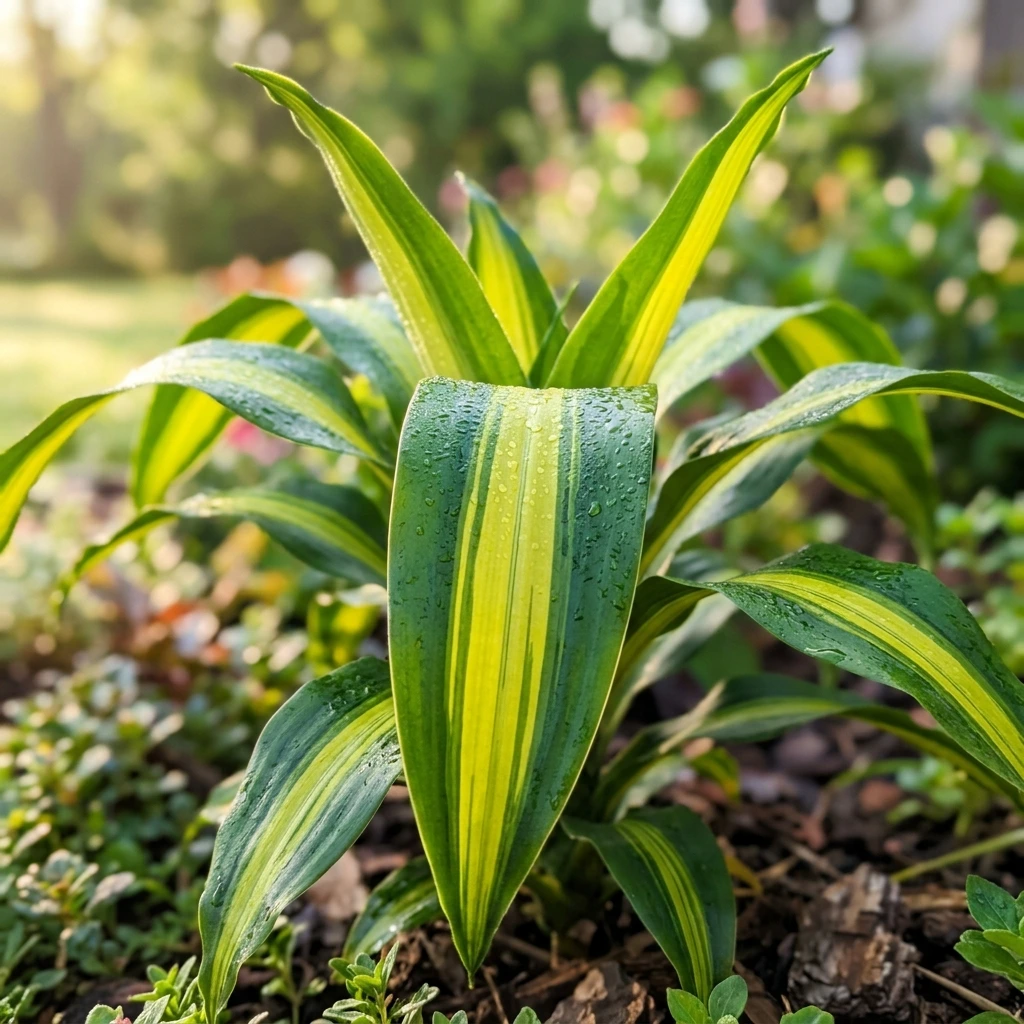
How to Identify Corn Plant
Dracaena fragrans is characterized by its thick, woody trunk (cane) topped by a rosette of arching, corn-like leaves.
-
✔
Key Visual Features: Thick woody trunk carrying a rosette of long, strap-shaped, arching leaves that resemble corn foliage.
-
✔
Color Variations: Glossy deep green; the popular 'Massangeana' variety features a wide, central lime-yellow stripe.
-
✔
Common Confusions: Sometimes confused with Yucca plants (which have stiffer, razor-sharp leaves and grow in full sun) or other Dracaena species.
Complete Care & Cultivation Guide
Follow our detailed scientific care guide to keep your Corn Plant thriving and gorgeous all year round.
Common Diseases & Treatment
Fluoride Toxicity
Symptoms: Leaf tips turn brown, shrivel, and dry out; yellow margins may appear between healthy and dry areas.
Stem Rot (Overwatering)
Symptoms: Woody stems feel soft and hollow when pressed; leaves turn yellow and drop off rapidly.
Frequently Asked Questions
Why are the leaf tips of my Corn Plant turning brown?
Brown leaf tips are usually caused by dry indoor air or fluoride/salts in tap water. Mist the plant regularly and switch to using filtered water or rainwater.
How tall do indoor Corn Plants grow?
Indoor Corn Plants can grow slowly to heights of 6 to 10 feet. If it grows too tall, you can cut the woody cane to your desired height; new leaf clusters will sprout from the cut.
Does the Corn Plant bloom indoors?
Yes, but it is rare. In mature plants with excellent light, it can produce highly fragrant, nighttime-blooming clusters of small white flowers in winter.
How often should I water my Corn Plant?
Water thoroughly, then let the soil dry out significantly. In typical conditions, watering every 2 to 3 weeks is ideal. In winter, reduce watering and let the soil dry out even more.