Creeping Fig Care & Identification Guide
The Creeping Fig is an elegant, fast-growing foliage vine famous for its small, heart-shaped, delicate green leaves. Native to East Asia, it easily climbs or cascades over surfaces using strong aerial roots, making it beautiful in hanging pots or climbing on moss poles. It is widely celebrated by botanists for its distinct environmental adaptability and structural appeal.





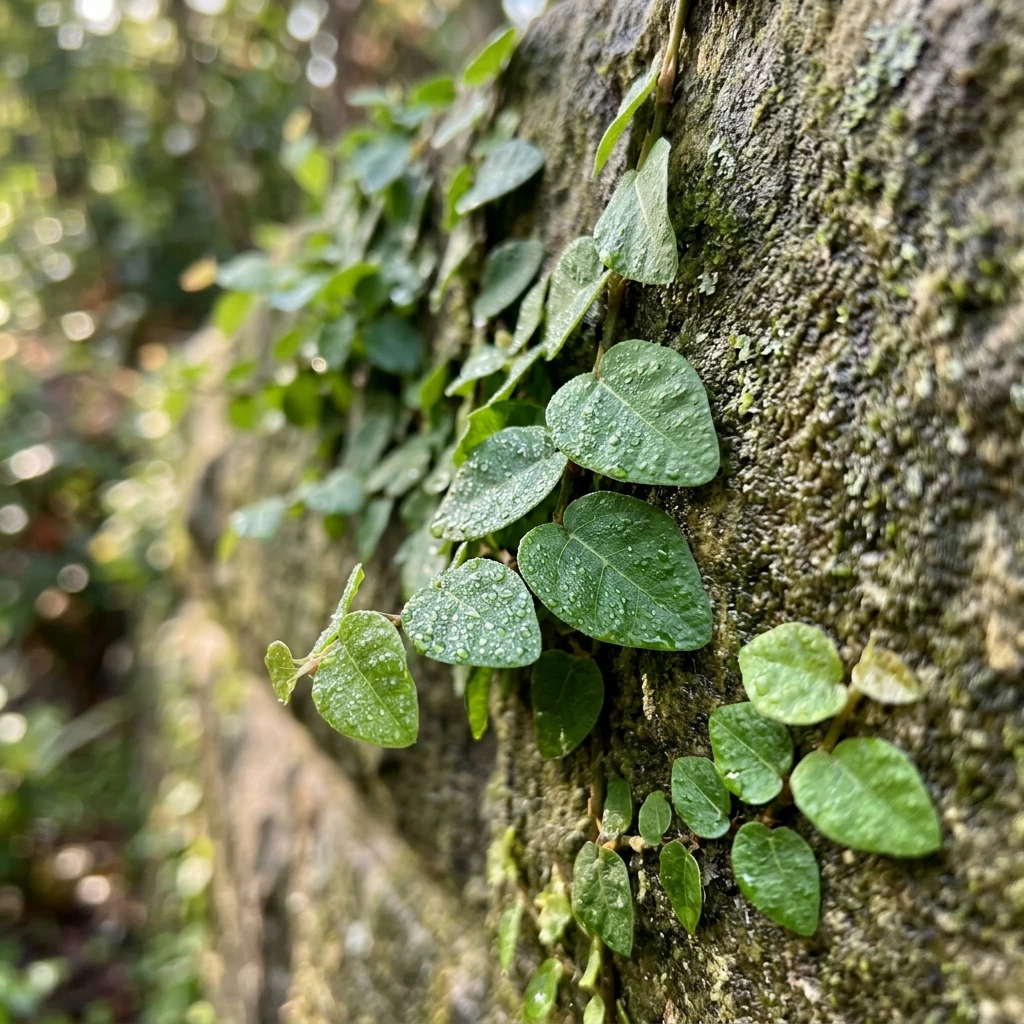
How to Identify Creeping Fig
Ficus pumila features small, thin, heart-shaped or oval leaves arranged closely along slender, branching climbing stems.
-
✔
Key Visual Features: Climbing woody vines with dense, overlapping, asymmetric juvenile leaves that cling tightly to surfaces.
-
✔
Color Variations: Bright to rich forest green; variegated cultivars ('Variegata') display cream or white leaf borders.
-
✔
Common Confusions: Sometimes confused with English Ivy or Creeping Charlie, but Creeping Fig leaves are much smaller, thinner, and grow tighter to climbing surfaces.
Complete Care & Cultivation Guide
Follow our detailed scientific care guide to keep your Creeping Fig thriving and gorgeous all year round.
Common Diseases & Treatment
Leaf Drop (Underwatering)
Symptoms: Leaves suddenly shrivel, turn dry, crispy, and drop off in large numbers within a few days.
Root Rot (Fungal)
Symptoms: Vines turn yellow and mushy, especially near the soil line, and emit a musty odor.
Frequently Asked Questions
Why are the leaves of my Creeping Fig dry and crispy?
Creeping Fig is highly sensitive to low humidity and dry soil. If the soil dries out completely or air is too dry, its delicate leaves turn crispy and drop. Water regularly and mist foliage.
Will the climbing roots of Creeping Fig damage my walls?
Yes. Ficus pumila secretes a powerful organic adhesive through its climbing aerial roots. If allowed to climb interior walls or furniture, it can damage plaster, paint, and wood when removed.
How do I propagate my Creeping Fig?
It propagates easily from stem cuttings. Cut a 4-6 inch stem containing several nodes, place the cut end in water or moist potting soil, and keep it warm and humid. Roots will form in 2-3 weeks.
Does Creeping Fig need high humidity?
Yes, it thrives in high humidity (above 50%). If kept in a dry room, use a gravel tray filled with water, group it with other plants, or use a humidifier to keep the leaves lush.