Friendship Plant Care & Identification Guide
Pilea involucrata, commonly known as the Friendship Plant, is a beloved, low-growing tropical perennial prized for its deeply crinkly, velvety bronze-green leaves. The striking texture features deep green veins and coppery-bronze highlights with rich purple-red undersides. It gets its name from how easily it is propagated and shared among friends via cuttings. It is widely celebrated by botanists for its distinct environmental adaptability and structural appeal.





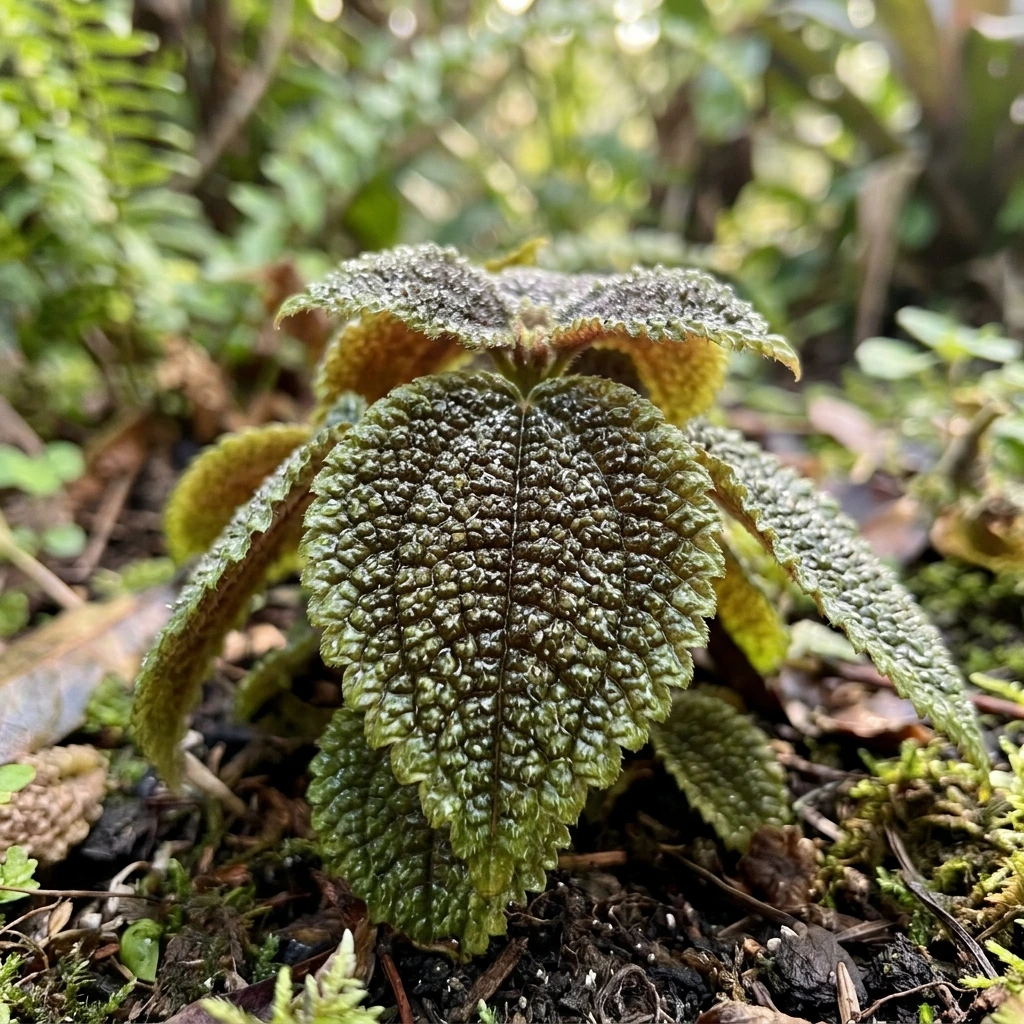
How to Identify Friendship Plant
A compact, highly-textured low-growing tropical foliage plant with deeply puckered, bronze-green velvety leaves.
-
✔
Key Visual Features: Deeply puckered or corrugated (bullate) oval leaves; opposite leaf arrangement; dense, bushy mounding growth habit.
-
✔
Color Variations: Metallic coppery-bronze or dark green upper surface with pale lime margins and purple-red undersides.
-
✔
Common Confusions: Often confused with Pilea mollis (Moon Valley), but Friendship Plant has broader, flatter growth and distinct bronze-maroon metallic highlights rather than pure bright lime-green.
Complete Care & Cultivation Guide
Follow our detailed scientific care guide to keep your Friendship Plant thriving and gorgeous all year round.
Common Diseases & Treatment
Fungal Leaf Spot
Symptoms: Dark brown or black necrotic patches on textured leaves due to excess moisture sitting on leaves.
Root Rot
Symptoms: Stems turn mushy and black near the soil line, and leaves turn yellow and drop off.
Frequently Asked Questions
Why is it called Friendship Plant?
It is named so because it propagates extremely easily from stem cuttings, making it incredibly popular to share with friends and family.
Does Friendship Plant need high humidity?
Yes, it thrives in high humidity (50-60%+). It makes a spectacular addition to terrariums, moist kitchens, or bathrooms.
Why are the leaf edges turning crispy brown?
This is a classic sign of low humidity or dry air. Use a humidifier, pebble tray, or mist the surrounding area regularly.
Is the Friendship Plant safe for pets?
Yes, Pilea involucrata is completely non-toxic and entirely safe for both dogs and cats.