Beefsteak Fungus Foraging & Identification Guide
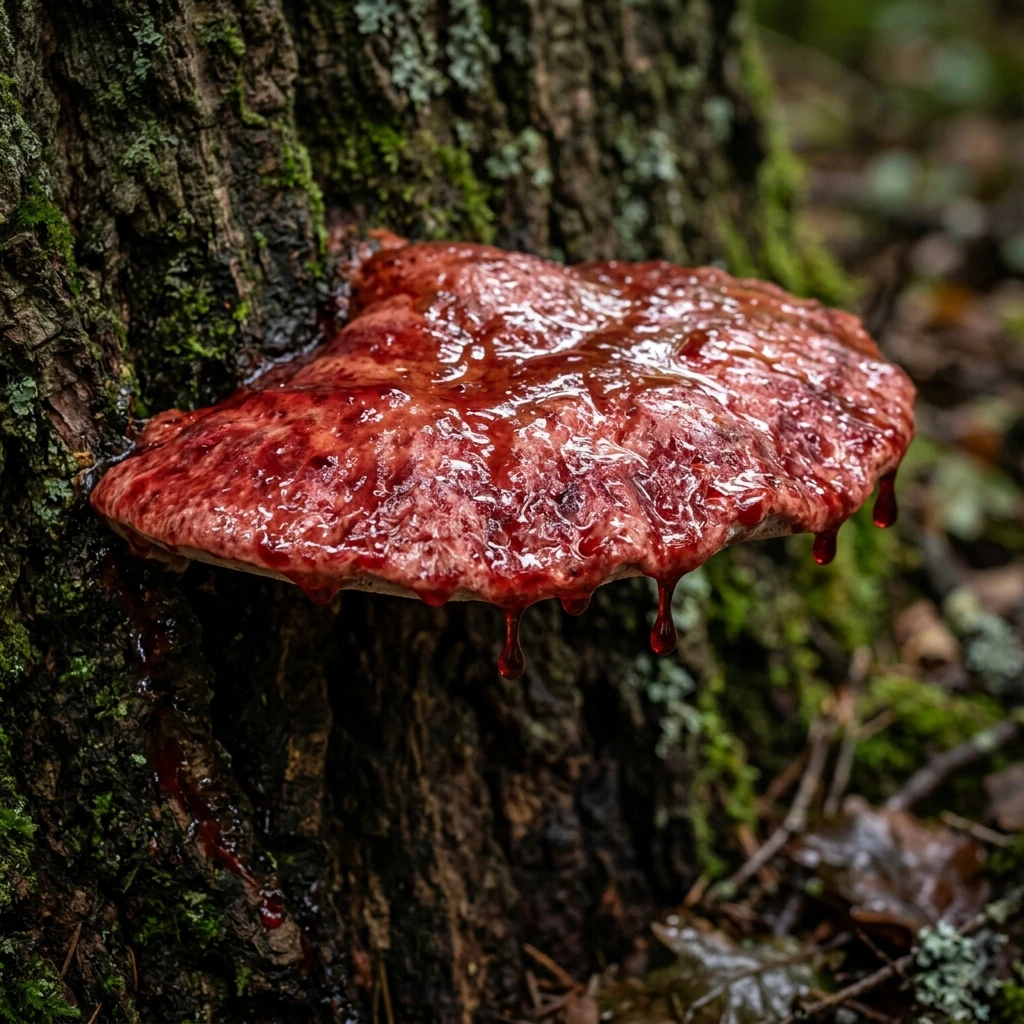
The Beefsteak Fungus (Fistulina hepatica), also known as the Ox-Tongue Fungus, is a fascinating and highly unique wild edible bracket mushroom native to oak and chestnut woodlands across Europe and North America. Growing low on the trunks of old or dying oaks, it is legendary for its startling, uncanny resemblance to a raw slab of red meat. Not only does its rough, liver-red cap look like beef, but its interior flesh is distinctly marbled with white fat-like veins, and it famously 'bleeds' a dull red juice when squeezed or sliced. Valued by foragers, it offers a surprisingly sour, acidic, lemony flavor that pairs wonderfully in salads or cooked dishes.




How to Identify Beefsteak Fungus
The Beefsteak Fungus (Fistulina hepatica), also known as the Ox-Tongue Fungus, is a fascinating and highly unique wild edible bracket mushroom native to oak and chestnut woodlands across Europe and North America. Growing low on the trunks of old or dying oaks, it is legendary for its startling, uncanny resemblance to a raw slab of red meat. Not only does its rough, liver-red cap look like beef, but its interior flesh is distinctly marbled with white fat-like veins, and it famously 'bleeds' a dull red juice when squeezed or sliced. Valued by foragers, it offers a surprisingly sour, acidic, lemony flavor that pairs wonderfully in salads or cooked dishes.
-
✔
Key Visual Features: Grows as a large, thick, semi-circular or tongue-shaped bracket directly from the wood of oak or sweet chestnut trees. The top surface is rough, sticky when wet, and dark blood-red to liver-brown in color. The flesh inside is heavily marbled red and white, exactly like raw wagyu beef or steak.
-
✔
Spore Print & Gills/Pores: Lacks gills. The underside consists of hundreds of tiny, separate, creamy-white to pale yellow pores that easily bruise a reddish-brown color when scratched. Spore print is pinkish-salmon.
-
✔
Common Confusions: Due to its incredibly specific appearance—a bleeding, marbled, meat-like bracket on oak—it has almost no true look-alikes. Inocybe species or some red polypores look vaguely similar from a distance but entirely lack the marbled flesh, sour taste, and bleeding red sap.
Detailed Mycology Profile & Foraging Guide
Follow our detailed scientific field guide and environmental parameters to identify and study Beefsteak Fungus safely.
Common Look-alikes & Foraging Danger
Drying and Toughness
Symptoms: The blood-red bracket turns dark brown, dry, hard, and loses its bleeding red sap.
Insect boring
Symptoms: Tiny pinholes throughout the white pore layer, with small grubs eating the marbled red flesh.
Frequently Asked Questions
Why does the Beefsteak Fungus bleed red juice?
The mushroom contains a high volume of watery sap rich in pigments and tannic acid. When the cell walls are cut or damaged, this sap leaks out as a clear, blood-red juice, which looks uncannily like blood.
What does Beefsteak Fungus taste like?
Unlike typical earthy mushrooms, it has a distinct, pleasantly sour, tart, and citrusy flavor. This acidity is due to natural tannic acids absorbed from the oak wood, which also give it a slightly astringent finish.
Can you eat it raw?
Yes. It is one of the few wild mushrooms that is safe and delicious to eat completely raw. Sliced very thinly, it makes a wonderful, citrusy addition to carpaccio, salads, or paired with cheeses.
How do you cook it?
Sauté the slices in butter or oil with garlic. Because it is highly acidic, cooking it can sometimes curdle cream sauces, so it is best prepared with olive oil, red wine reductions, or grilled like a steak.