Birch Bolete Foraging & Identification Guide
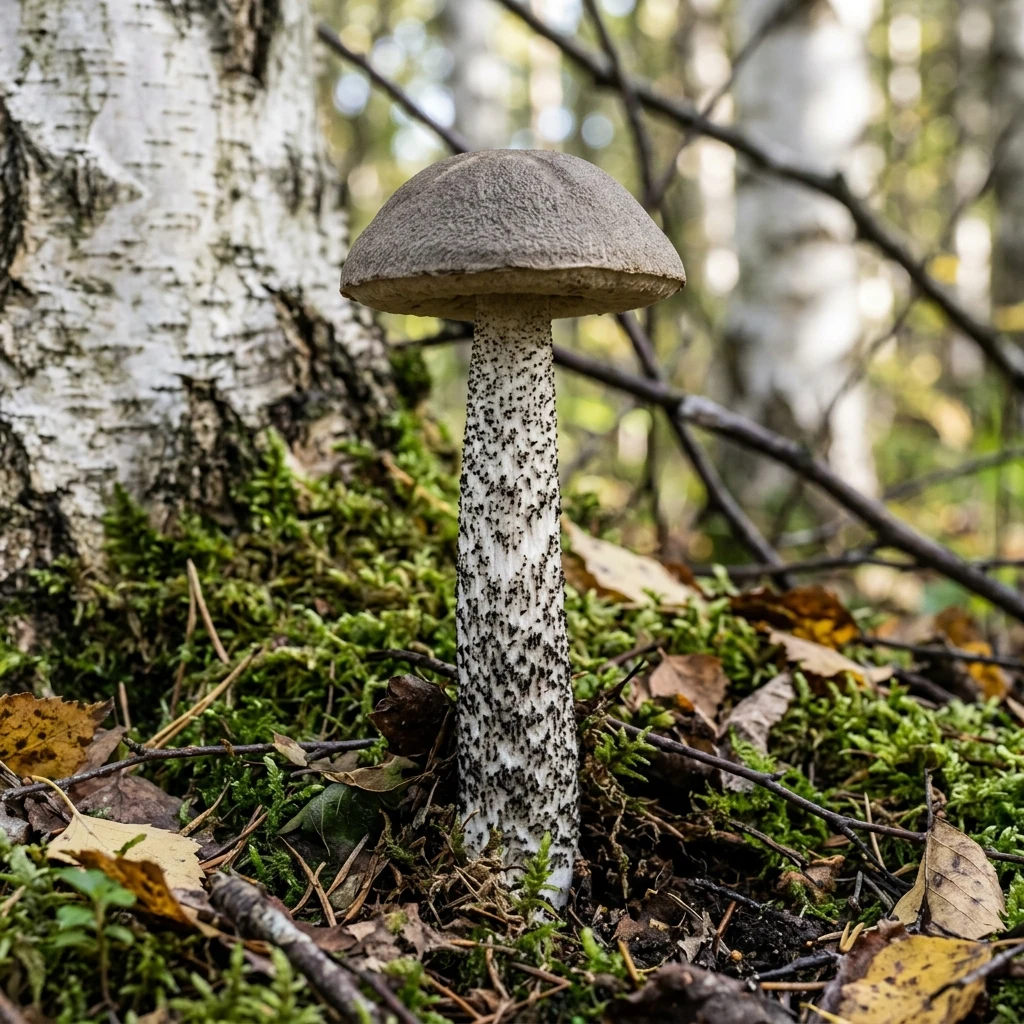
The Birch Bolete (Leccinum scabrum), also known as the Common Scaber Stalk, is a highly popular, classic wild edible mushroom native to temperate and boreal forests across Europe, North America, and Asia. It is a strict obligate mycorrhizal partner, growing exclusively in close proximity to Birch trees (Betula species). Instantly recognizable by its soft, pale-to-dark grey-brown cap and a remarkably long, slender stem covered in a dense pattern of rough, dark brown to black scales (scabers), it is a reliable and abundant find for autumn mushroom hunters.





How to Identify Birch Bolete
The Birch Bolete (Leccinum scabrum), also known as the Common Scaber Stalk, is a highly popular, classic wild edible mushroom native to temperate and boreal forests across Europe, North America, and Asia. It is a strict obligate mycorrhizal partner, growing exclusively in close proximity to Birch trees (Betula species). Instantly recognizable by its soft, pale-to-dark grey-brown cap and a remarkably long, slender stem covered in a dense pattern of rough, dark brown to black scales (scabers), it is a reliable and abundant find for autumn mushroom hunters.
-
✔
Key Visual Features: Features a soft, convex, grey-brown to tan cap that often becomes slightly sticky or slimy when wet. The defining feature is its long, relatively slender, tapering white stem heavily dotted with prominent, woolly, dark grey to blackish 'scabers' (scales).
-
✔
Spore Print & Gills/Pores: Lacks gills. The underside consists of a spongy layer of tiny, round, whitish to pale grey pores that bulge downwards as the mushroom matures. The flesh is white and does not stain or change color significantly when cut. Spore print is olive-brown.
-
✔
Common Confusions: Can be confused with other Leccinum species, such as the Orange Birch Bolete (Leccinum versipelle) or the Slate Bolete (Leccinum duriusculum), but these usually have different cap colors (orange or very dark slate) or stain blue/black when cut. Always ensure it is growing near Birch trees.
Detailed Mycology Profile & Foraging Guide
Follow our detailed scientific field guide and environmental parameters to identify and study Birch Bolete safely.
Common Look-alikes & Foraging Danger
Soggy Softness (Aging)
Symptoms: The grey-brown cap feels extremely soft, mushy, and holds water like a wet sponge.
Stem Gnat Tunneling
Symptoms: The long, slender stem base is riddled with tiny brown tunnels and feels soft.
Frequently Asked Questions
Why is it called 'Birch Bolete'?
It is named 'Birch Bolete' because it is a strict symbiotic partner of Birch trees. It cannot grow, survive, or fruit without exchanging nutrients with the root systems of living birch trees.
What are the black spots on the stem?
These are called scabers. They are small, warty, rough scales composed of specialized pigmented cells. They are a defining characteristic of the genus Leccinum.
Why does the mushroom turn black when cooked?
This is a natural enzymatic reaction. Slicing and heating the flesh causes compounds to oxidize, turning the white cap flesh a dark grey-black in the frying pan. It is purely cosmetic and completely safe.
Is the stem edible?
Technically yes, but the stem is extremely fibrous, stringy, and tough, making it unpleasant to chew and difficult to digest. Most foragers discard the stems and only cook the tender caps.