Giant Puffball Foraging & Identification Guide
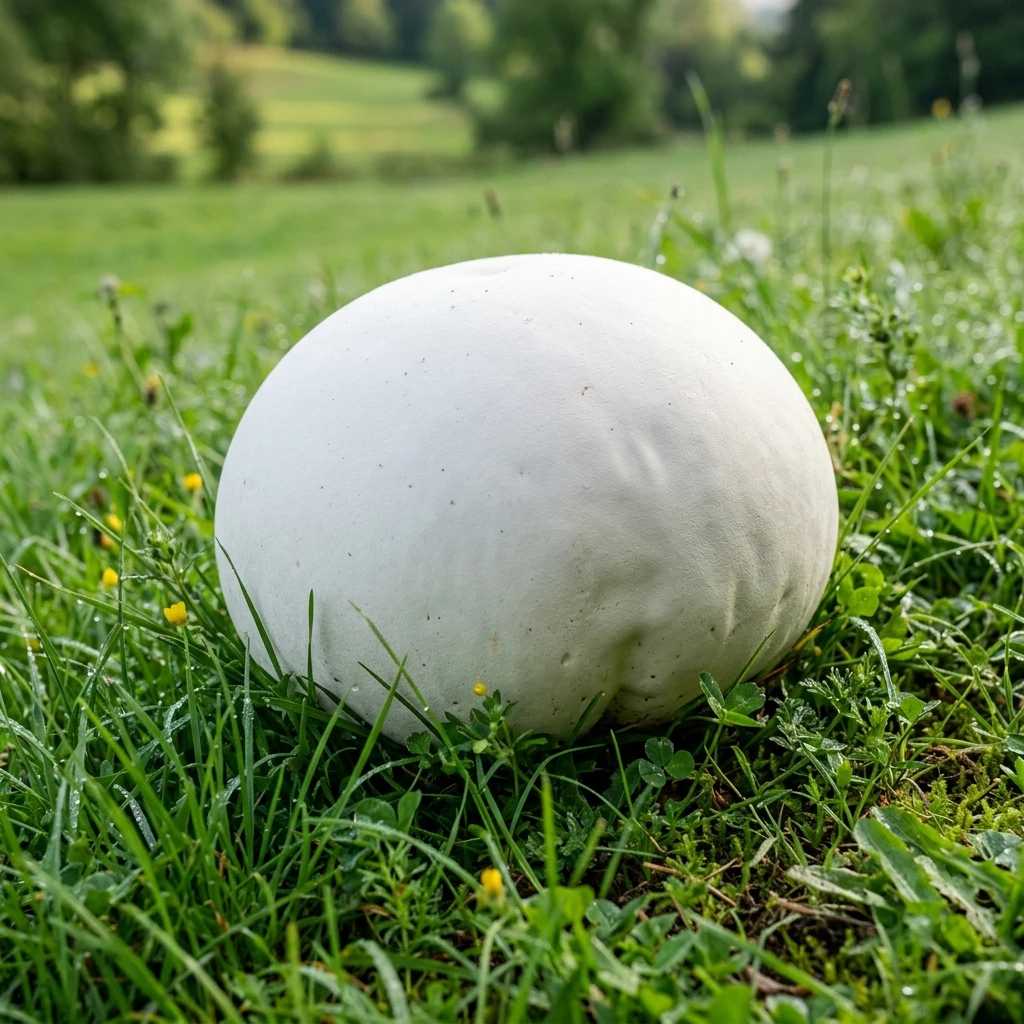
The Giant Puffball (Calvatia gigantea) is an iconic, spectacular, and highly popular wild edible mushroom famous for its massive size, occasionally growing as large as a soccer ball or even bigger. Found in fertile grassy fields, pastures, and deciduous forest edges across North America and Europe, it lacks a cap, gills, or stem, appearing as a massive, smooth white sphere resting on the soil. Highly prized by foragers, it yields huge, delicious white slabs when sliced and cooked.





How to Identify Giant Puffball
The Giant Puffball (Calvatia gigantea) is an iconic, spectacular, and highly popular wild edible mushroom famous for its massive size, occasionally growing as large as a soccer ball or even bigger. Found in fertile grassy fields, pastures, and deciduous forest edges across North America and Europe, it lacks a cap, gills, or stem, appearing as a massive, smooth white sphere resting on the soil. Highly prized by foragers, it yields huge, delicious white slabs when sliced and cooked.
-
✔
Key Visual Features: A massive, rounded to irregularly spherical, smooth or slightly scurfy white mass resting directly on the ground. It typically ranges from 10 to 50 cm in diameter, though larger specimens have been recorded. It lacks any true stem, cap, or gills, attached only by a root-like cord at its base.
-
✔
Spore Print & Gills/Pores: No Gills or Pores. The entire interior (the gleba) must be pure, solid white to be edible. As it matures, the interior turns yellowish-green, then olive-brown and powdery as trillions of spores mature. It releases a greenish-brown spore cloud when broken.
-
⚠️
Common Confusions: Due to its enormous size when mature, it is rarely confused with anything else. However, young, small puffballs can be confused with the deadly "egg stage" of Amanita species (like the Death Cap). Slicing the puffball in half vertically is critical: a true puffball will be solid white inside, while an Amanita egg will show the outline of a developing cap and gills.
Detailed Mycology Profile & Foraging Guide
Follow our detailed scientific field guide and environmental parameters to identify and study Giant Puffball safely.
Common Look-alikes & Foraging Danger
Internal Yellowing
Symptoms: The massive white flesh shows yellow-green patches or turns spongy and brown.
Soggy Flesh
Symptoms: The puffball feels waterlogged, soft, and mushy after heavy rains, with a sour odor.
Frequently Asked Questions
How big can a Giant Puffball grow?
They typically grow to the size of a soccer ball (15 to 30 cm), but they can easily reach over 50 cm in diameter and weigh more than 10 kilograms, making them some of the largest fruiting bodies in the world.
How do you distinguish it from a Poison Puffball?
The toxic Pigskin Poison Puffball (Scleroderma citrinum) is much smaller (2-10 cm), has a hard, thick, scaly yellow-brown skin, and its interior turns dark purple-black very quickly, whereas the Giant Puffball is massive, soft-skinned, and pure white inside.
Can you freeze Giant Puffball?
Yes. Because they are so massive, you often have more than you can eat. You can slice the fresh white flesh into slabs, sauté them lightly in butter, and freeze them in sealed bags for winter stews and soups.
Is it safe to eat raw?
No. Like most wild mushrooms, it should always be cooked before consumption. Raw puffball flesh is highly spongy, difficult to digest, and lacks the delicious savory flavor that develops during cooking.