Hedgehog Mushroom Foraging & Identification Guide
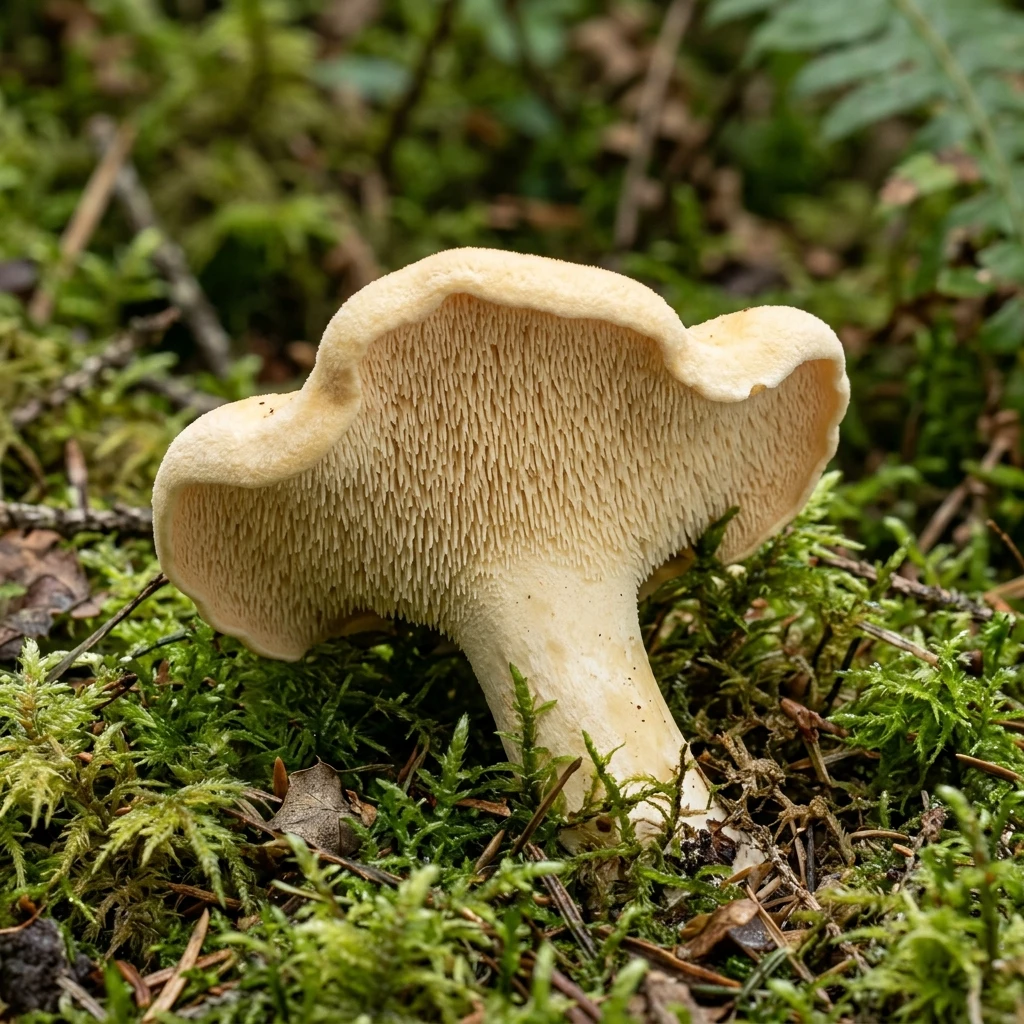
The Hedgehog Mushroom (Hydnum repandum), also known as the Sweet Tooth, is an exceptionally highly prized, choice wild edible mushroom native to temperate forests across Europe, North America, and Asia. Growing in mycorrhizal symbiosis with both deciduous and coniferous trees, it is highly celebrated as one of the safest and most delicious mushrooms for wild foraging. Lacking true gills or pores, its defining, unmistakable characteristic is the presence of hundreds of tiny, delicate, soft, spine-like teeth densely covering the underside of its pale peach-orange cap, producing a rich, sweet, nutty, and slightly peppery culinary experience.





How to Identify Hedgehog Mushroom
A pale peach-yellow cap with hundreds of tiny, delicate, soft, spine-like teeth underneath instead of gills, growing on soil under mature trees.
-
✔
Key Visual Features: Pale peach-yellow to pale orange, irregularly shaped convex cap with thick, brittle white flesh.
-
✔
Underside Spines: Densely packed, delicate, soft, downward-pointing cream-colored teeth (spines) rather than traditional gills or pores.
-
✔
Common Confusions: Highly distinct; easily distinguished from toxic gilled mushrooms by its lack of gills. May be confused with other edible tooth fungi like the Terracotta Hedgehog.
Detailed Mycology Profile & Foraging Guide
Follow our detailed scientific field guide and environmental parameters to identify and study Hedgehog Mushroom safely.
Common Look-alikes & Foraging Danger
Spine Bitterness (Over-maturity)
Symptoms: The tiny spiny teeth turn dark orange, grow exceptionally long, and the mushroom tastes bitter after cooking.
Soggy Browning
Symptoms: The pale cap developments soggy, dark brown patches after freezing winter rains.
Frequently Asked Questions
Why is it called 'Hedgehog Mushroom'?
It is named the 'Hedgehog Mushroom' because the tiny, soft, downward-pointing teeth covering the underside of its cap strongly resemble the defensive spines of a tiny forest hedgehog.
Are there any toxic look-alikes?
No. The Hedgehog Mushroom has no toxic look-alikes. There are absolutely no poisonous mushrooms in the world that have soft, spiny teeth under the cap, making it one of the safest wild mushrooms to forage.
Do I need to peel off the teeth before cooking?
On young, small button specimens, the teeth are sweet and tender, so you can cook them intact. On older, mature specimens, the teeth can develop a slightly bitter or muddy taste; simply scrape them off with a thumb or knife before cooking.
Does the flesh change color when cut?
No. Slicing the firm, dense white flesh does not trigger any dramatic bruising or color change, though it may turn a very slow, faint, pale yellowish-orange over several hours, which is completely safe.