Oyster Mushroom Foraging & Identification Guide
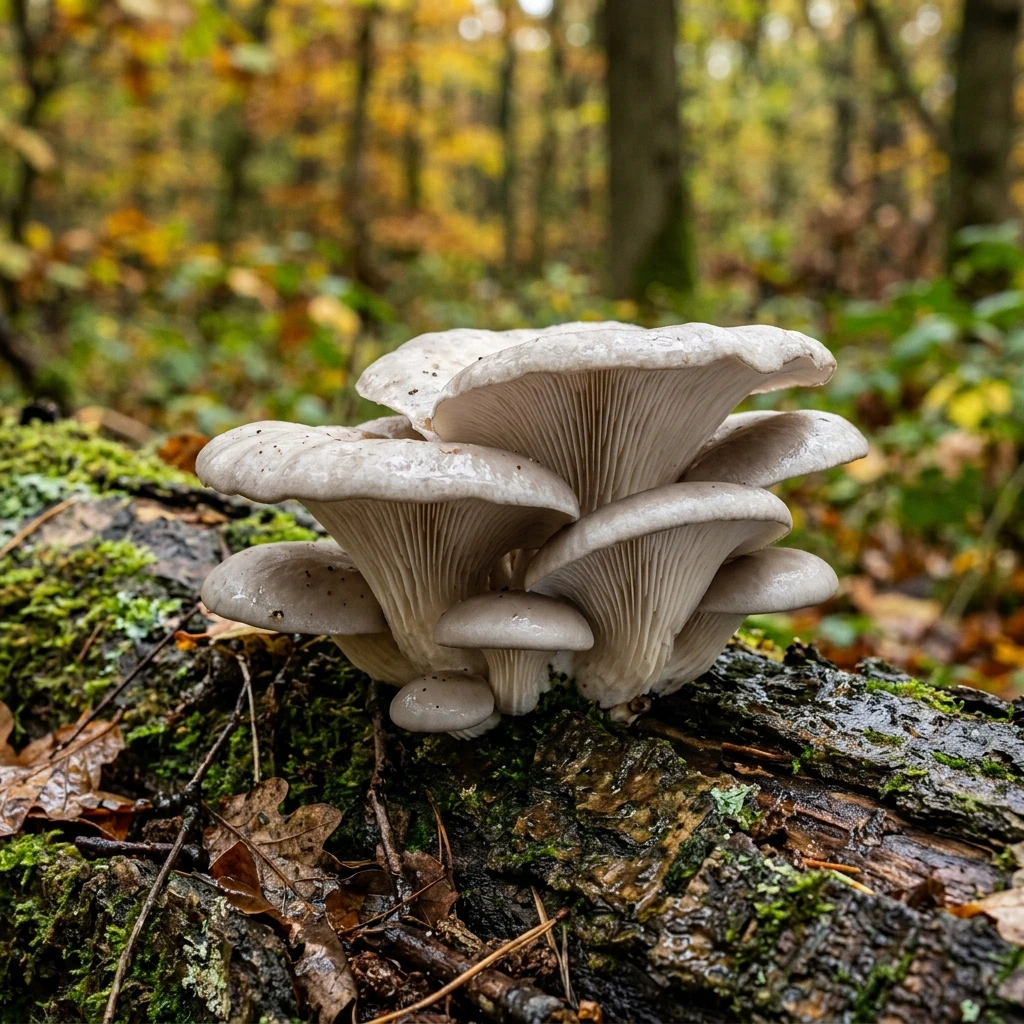
The Pearl Oyster Mushroom is a highly popular, fast-growing edible fungus prized for its elegant shell-like cap, velvety greyish-white color, and mild, sweet anise-like aroma. Widely distributed across temperate woodlands, this wood-decaying saprophyte plays a vital ecological role in breaking down hardwoods and is highly responsive to indoor cultivation.




How to Identify Oyster Mushroom
A fan-shaped, shelf-like greyish-white capped mushroom with thick, white gills that extend down the short lateral stem.
-
✔
Cap: Varies by species.
-
✔
Spore: Critical check.
Detailed Mycology Profile & Foraging Guide
Follow our detailed scientific field guide and environmental parameters to identify and study Oyster Mushroom safely.
Common Look-alikes & Foraging Danger
High Carbon Dioxide Stunting
Symptoms: Extremely long, thick stems with tiny, underdeveloped shell caps.
Green Mold Contamination
Symptoms: Emerald green powdery patches appearing on the sawdust cultivation block.
Frequently Asked Questions
Why do Oyster mushrooms smell like anise?
Oyster mushrooms naturally synthesize benzaldehyde and other volatile organic compounds that give them their characteristic sweet, almond-like and anise-like (licorice) fragrance.
Can Oyster mushrooms eat plastic?
Yes! Oyster mushrooms produce powerful extracellular enzymes (laccase, peroxidase) that can break down complex hydrocarbons, including certain plastics and petroleum pollutants, in bioremediation projects.
How do you prep Oyster mushrooms for cooking?
Cut off the tough, woody central base of the cluster. Wipe the caps clean with a dry cloth. Tear the fan-shaped caps vertically into strips instead of slicing them to maintain their beautiful texture.
How long do they last in the fridge?
Oyster mushrooms have a short shelf life. Store them in a paper bag in the vegetable crisper drawer and consume them within 3 to 5 days.