The Sickener Foraging & Identification Guide
The Sickener, or Beechwood Sickener, is a beautiful but highly toxic woodland mushroom native to temperate forests across the Northern Hemisphere. Instantly recognizable by its bright cherry-red to pinkish cap, pristine white gills, and clean white stem, it is a classic species in the Russula family. As its common name suggests, it contains severe gastrointestinal irritants and must never be consumed.





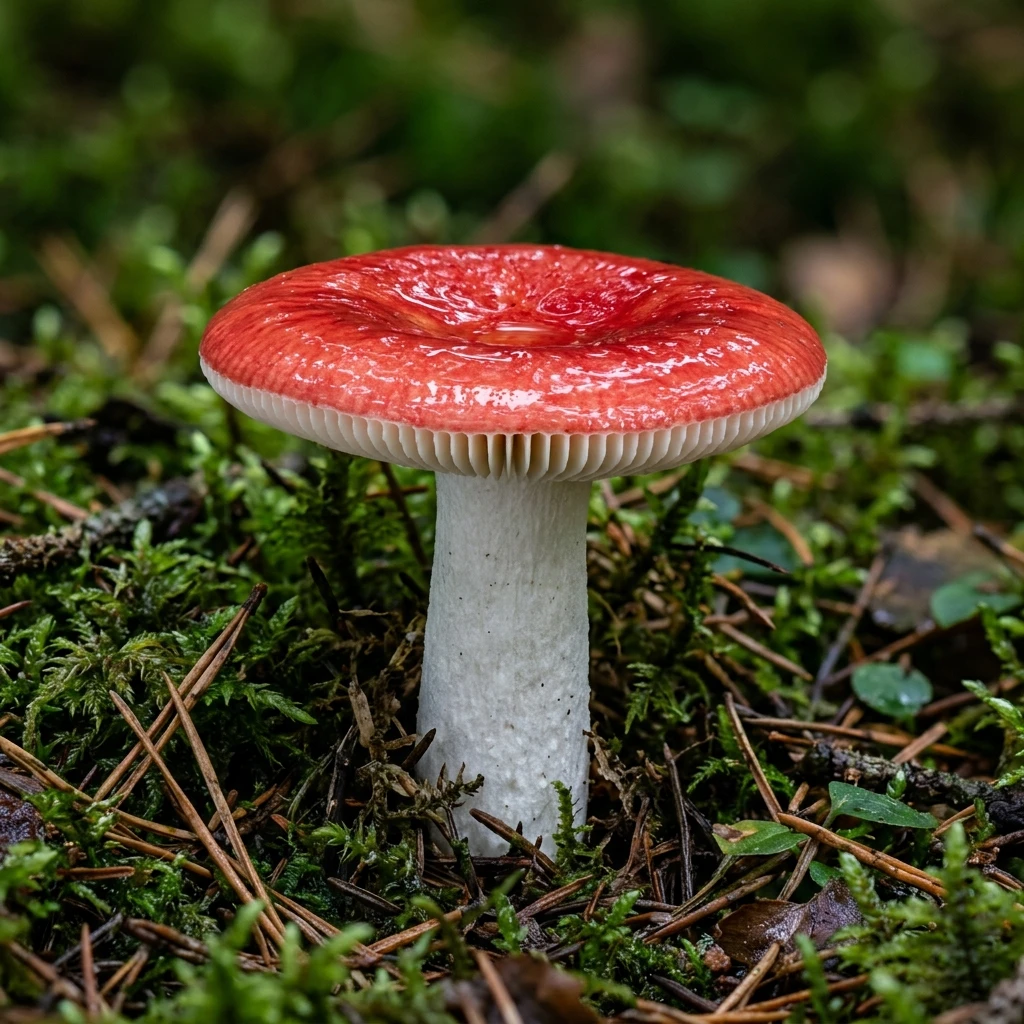
How to Identify The Sickener
A bright cherry-red to pinkish cap with white gills underneath and a very brittle, white stalk that snaps like chalk.
-
✔
Cap: Varies by species.
-
✔
Spore: Critical check.
Detailed Mycology Profile & Foraging Guide
Follow our detailed scientific field guide and environmental parameters to identify and study The Sickener safely.
Common Look-alikes & Foraging Danger
Color Fading (Sun bleaching)
Symptoms: The bright cherry-red cap develops large white blotches or turns completely pale pink-white.
Soggy Rot & Insect Infestation
Symptoms: The brittle stalk turns brown, mushy, and is riddled with small holes from forest fly larvae.
Frequently Asked Questions
Why is this mushroom called 'The Sickener'?
It is named 'The Sickener' because consuming even a small amount leads to rapid and severe vomiting, stomach cramps, and diarrhea, as the mushroom contains toxic sesquiterpene irritants.
Is The Sickener deadly poisonous?
No, it is rarely lethal to healthy adults, but it causes extremely painful and violent stomach illness. Most people recover fully within 24 to 48 hours without lasting damage.
How do you distinguish it from edible red Russulas?
The only reliable field method is tasting a tiny speck of the gills (and spitting it out immediately!). The Sickener has an intensely hot, peppery, and burning taste, whereas edible red Russulas have a mild, nutty flavor. However, it is safest to completely avoid foraging any red-capped Russula.
Why does it snap like chalk?
Unlike most fibrous mushrooms, Russula species have unique, round cellular structures called sphaerocysts in their flesh. This makes the stem extremely brittle, allowing it to snap cleanly like a piece of chalk.