American Beech Care & Identification Guide
The magnificent American Beech (Fagus grandifolia) is a colossal and highly spectacular deciduous native of Eastern North America, celebrated globally for its light silver-grey smooth bark, deep shade canopy, and majestic form. It features papery green leaves with prominent parallel veins ending in sharp, distinct serrated teeth. It produces sweet triangular nuts in soft prickly husks. It requires deep, rich, moisture-retentive acidic soils and bright filtered light.





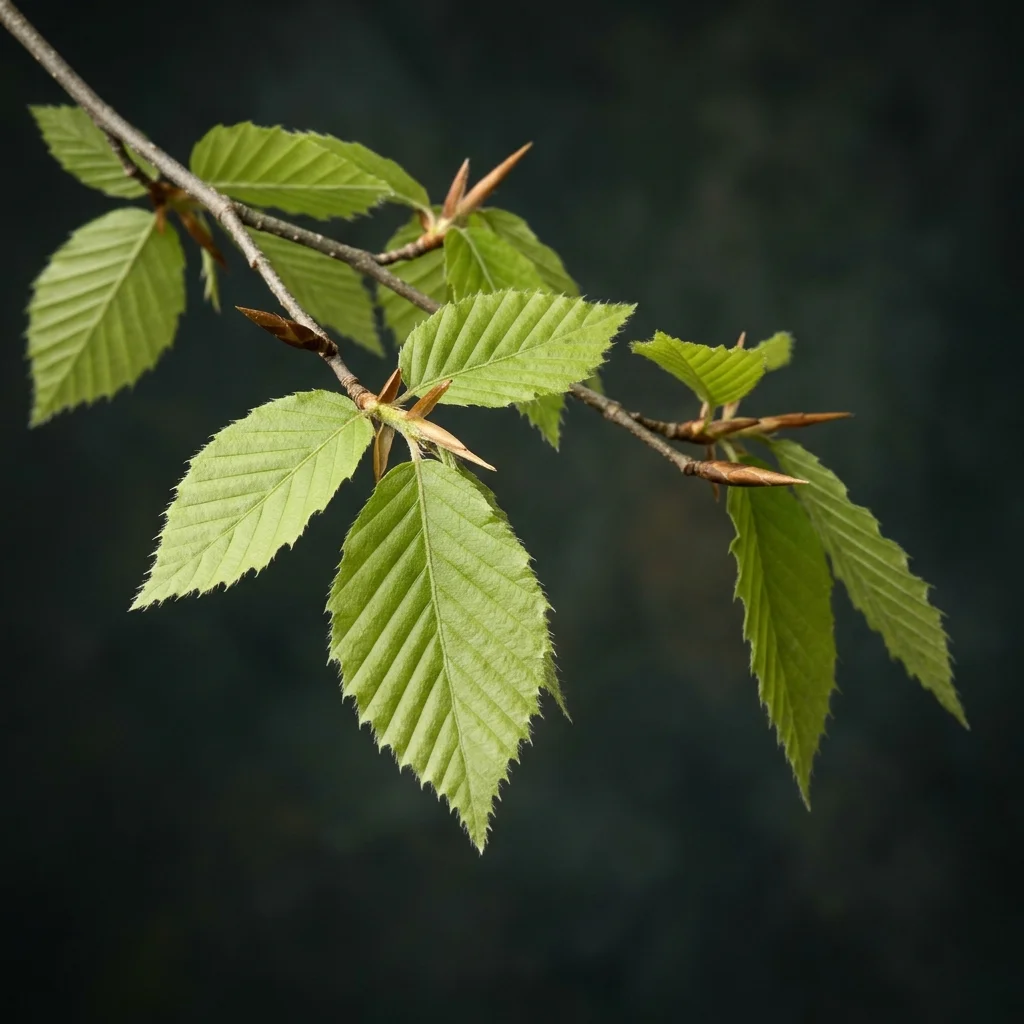
How to Identify American Beech
Identify American Beech immediately by its highly distinct biological features. Native to its specific ecosystem, it showcases spectacular foliage and structural habits optimized for its environment.
-
✓
Distinctive Features: Smooth, light silver-grey elephant-hide bark, and papery leaves with prominent parallel veins ending in sharp teeth.
-
✓
Typical Coloration: Lively bright green in summer, turning to a breathtaking, bright golden-bronze or copper-yellow in autumn.
-
✓
Potential Confusions: Similar to European Beech, but distinguished by its longer, papery leaves (8-15cm) with sharp, serrated margins.
11-Step Professional Care & Planting Guide
Frequently Asked Questions
How does it differ from European Beech?
The American Beech has longer, papery leaves (8-15cm) with sharp serrated teeth, and lighter silver bark, whereas the European Beech has smaller wavy leaves with non-toothed margins.
Is the American Beech safe for domestic pets?
Yes, Fagus grandifolia is completely non-toxic and pet-safe for cats and dogs.
What is Beech Bark Disease?
It is a destructive disease caused when the beech scale insect feeds on the bark, creating entry points for a damaging nectria fungus. Keep the bark healthy and pest-free.
Why do the leaves stay on the tree in winter?
This is called marcescence! Young beech trees and lower branches of mature trees retain their dry, papery copper leaves all winter, dropping them only in spring.