Ulmus americana

American Elm Care & Identification Guide

The magnificent American Elm (Ulmus americana) is an iconic deciduous tree native to eastern North America, celebrated globally for its elegant, vase-like architectural form and broad, weeping umbrella-like crown. Once dominating streetscapes, it features simple, alternate dark green leaves with distinct doubly serrated margins and highly characteristic asymmetrical bases. While highly vulnerable to Dutch Elm Disease, modern resistant cultivars have allowed this grand species to return to premium landscaping. It requires moist, rich, well-draining organic soils and thrives under full sun.


Sunlight Icon
Sunlight Full Sun to Part Shade
Watering Icon
Watering Moderate
Soil Mix Icon
Soil Mix Rich Moist Loam
Temperature Icon
Temperature -40°C to 30°C
Toxicity Warning Icon
Toxicity Non-toxic
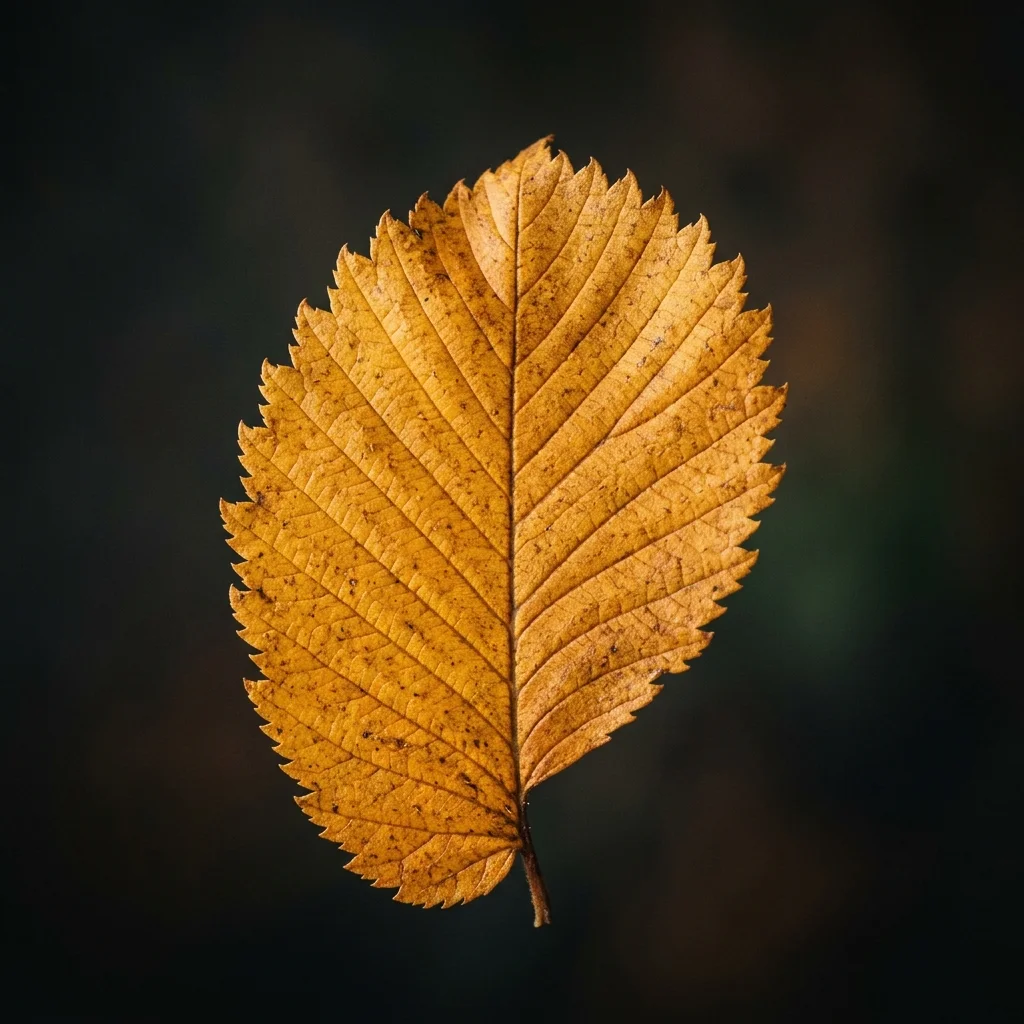
Botanical photography of American Elm (Ulmus americana) - Plant AI care database

How to Identify American Elm

Identify American Elm immediately by its highly distinct biological features. Native to its specific ecosystem, it showcases spectacular foliage and structural habits optimized for its environment.

  • Distinctive Features: Classic symmetrical vase-shaped canopy, alternate leaves with highly asymmetrical leaf bases, and deeply furrowed bark with diamond-shaped ridges.
  • Typical Coloration: Rich dark green leaves with fuzzy veins beneath, turning a warm bright golden-yellow in autumn, and dark grey bark.
  • Potential Confusions: Often confused with Slippery Elm (Ulmus rubra), but distinguished by its smooth upper leaf surface (Slippery Elm leaves are extremely rough, like sandpaper, on both sides) and inner bark that does not yield a slimy mucilage.

11-Step Professional Care & Planting Guide

💧 【Watering & Moisture】 Water moderately. Maintain consistent soil moisture for young saplings to establish deep roots. Mature trees exhibit impressive drought-tolerance but appreciate deep watering during hot, dry spells.

☀️ 【Sunlight & Exposure】 Thrives in full direct sun (at least 6 hours of direct light daily). It can tolerate light partial shade but requires open sky for its majestic vase shape to develop fully.

🪴 【Ideal Soil Mix】 Prefers rich, deep, silty or clay loam that holds moisture well but has adequate drainage. Tolerates a wide pH range (5.5 to 8.0) but excels in slightly acidic to neutral soils.

🌡️ 【Temperature & Winter Care】 Extremely cold-hardy down to -40°C (USDA Zone 3-9). Excellent tolerance to freezing winter winds. Apply organic mulch around the root flare to insulate soil moisture.

✂ 【Pruning & Grooming】 Prune only in late autumn or winter when the tree is dormant and the Dutch Elm Disease vectors (bark beetles) are inactive. Never prune in spring or summer.

🧪 【Fertilization】 Apply a slow-release balanced organic fertilizer in early spring around the drip line. Avoid heavy nitrogen feeds which promote weak, succulent wood susceptible to pests.

🏺 【Potting & Garden Planting】 Dig a very large hole twice the diameter of the root ball. Ensure the root flare is slightly above the soil grade to prevent crown rot. Backfill with native soil enriched with organic compost.

🌱 【Propagation】 Easily propagated by sowing seeds (samaras) immediately after they fall in late spring. Seedlings require no stratification. Can also be propagated via softwood cuttings in summer.

🐛 【Common Pests】 Highly susceptible to the Elm Bark Beetle, which transmits Dutch Elm Disease. Watch closely for signs of boring dust, elm leaf beetle larvae, or aphids. Apply organic systemic treatments as preventive measures.

🦠 【Common Diseases】 **Extreme risk of Dutch Elm Disease (DED)**, a fatal fungal disease causing rapid wilting and yellowing. Always plant disease-resistant cultivars (like 'Valley Forge' or 'Princeton') and sterilize tools.

🎓 【Botanist Advice】 The asymmetrical leaf base is a perfect identifying fingerprint! Do not plant American Elms near older, unmanaged elms to protect them from beetle-borne fungal spores. Always clean pruning saws with rubbing alcohol between cuts.

Frequently Asked Questions

Q: What is Dutch Elm Disease and can it be cured?

A: It is a devastating fungal infection spread by elm bark beetles that clogs the tree's vascular system, causing rapid branch death. There is no cure for mature infected trees; preventive fungicide injections and planting resistant cultivars are the only defenses.

Q: Is the American Elm safe for pets?

A: Yes, Ulmus americana is completely non-toxic and pet-safe for cats and dogs.

Q: How can I tell American Elm apart from Slippery Elm?

A: Touch the leaves! Slippery Elm leaves are extremely rough on the top surface, feeling like harsh sandpaper. American Elm leaves are usually smooth and glossy on top.

Q: How fast does the American Elm grow?

A: It is a relatively fast-growing tree when young, capable of growing 2 to 3 feet per year in ideal moist, fertile soils, eventually reaching heights of 80 feet.

Is your American Elm showing yellow or dry leaves?

Don't let rot or scale pests kill your trees. Upload a photo now to get an instant AI botanical diagnosis and save your forest today!

Diagnose American Elm Now