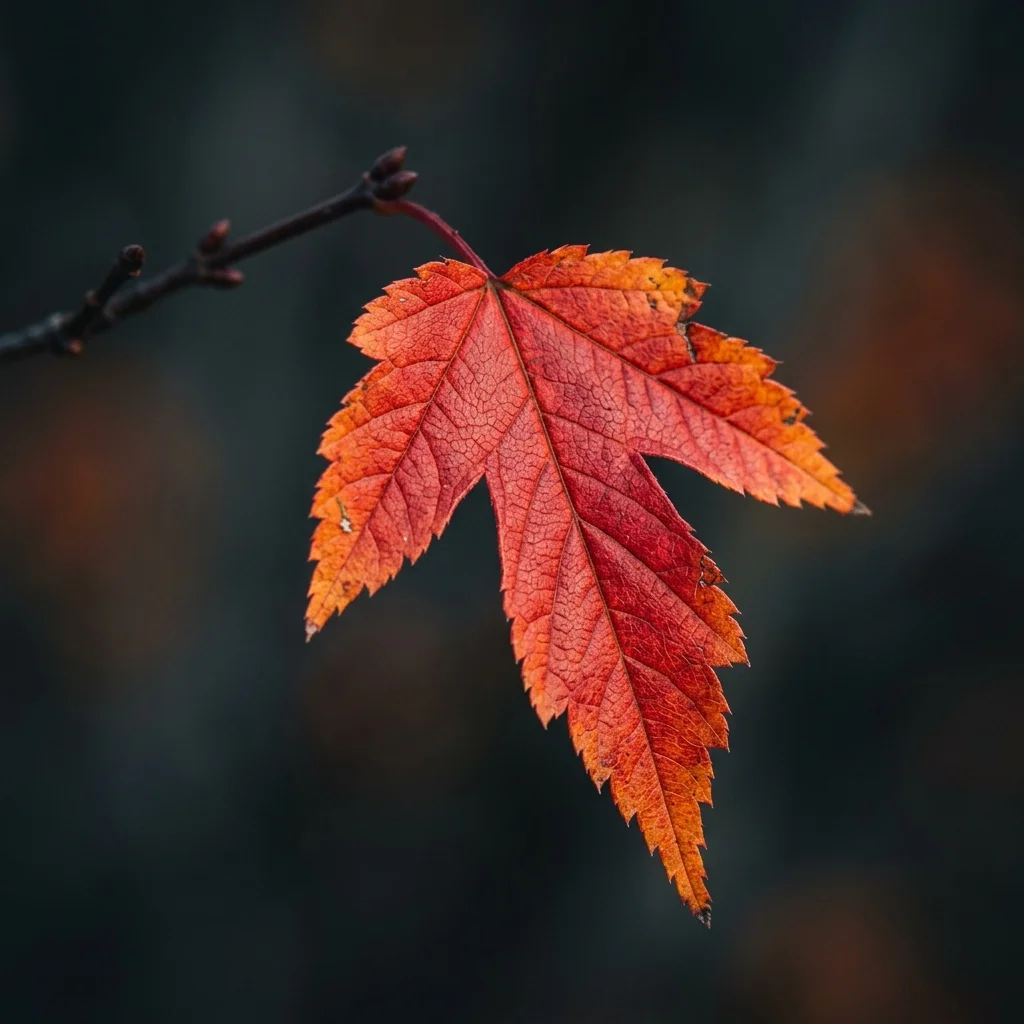
Acer tataricum subsp. ginnala

Amur Maple Care & Identification Guide

The magnificent Amur Maple (Acer tataricum subsp. ginnala) is a highly spectacular deciduous small tree or large shrub native to Siberia and East Asia, celebrated globally for its incredible cold hardiness (withstanding -40°C), fragrant spring flowers, and glowing autumn foliage. It features three-lobed leaves with a highly elongated central lobe. Uniquely, its tiny yellow-green flowers release a sweet, honey-like fragrance. It requires well-drained soil, full sun, and moderate watering.


Sunlight Icon
Sunlight Full Sun
Watering Icon
Watering Moderate
Soil Mix Icon
Soil Mix Adaptable Loam
Temperature Icon
Temperature -40°C to 24°C
Toxicity Warning Icon
Toxicity Non-toxic
Botanical photography of Amur Maple (Acer tataricum subsp. ginnala) - Plant AI care database

How to Identify Amur Maple

Identify Amur Maple immediately by its highly distinct biological features. Native to its specific ecosystem, it showcases spectacular foliage and structural habits optimized for its environment.

  • Distinctive Features: Compact multi-stemmed habit, three-lobed leaves with a highly elongated middle lobe and sharply serrated margins, and winged seed keys (samaras) that turn reddish in summer.
  • Typical Coloration: Medium green summer foliage, turning to an incredibly brilliant, glowing fiery red, amber-orange, and deep crimson in early autumn.
  • Potential Confusions: Similar to Japanese Maple, but distinguished by its three-lobed leaves (Japanese Maple has 5-9 lobes) and significantly greater cold hardiness.

11-Step Professional Care & Planting Guide

💧 【Watering & Moisture】 Water moderately. Keep soil consistently moist for young trees. Established Amur maples have excellent drought-tolerance.

☀️ 【Sunlight & Exposure】 Requires full direct sun. Can tolerate partial shade, but full sun is essential to produce its glowing crimson autumn colors.

🪴 【Ideal Soil Mix】 Highly adaptable! Thrives in acidic, neutral, and slightly alkaline soils. Blend 50% loam, 30% sand, and 20% compost (pH 6.0-7.5).

🌡️ 【Temperature & Winter Care】 Superbly cold-hardy (USDA Zone 3-8). Can withstand extreme Siberian freezes down to -40°C. Requires no winter protection.

✂ 【Pruning & Grooming】 Prune in late winter or early spring to shape the compact crown. Excellent choice for training as a multi-stemmed specimen or formal hedge.

🧪 【Fertilization】 Feed once in early spring with a slow-release organic balanced fertilizer. Mulch with composted leaf mold.

🏺 【Potting & Garden Planting】 Plant in small lawns, residential gardens, or as a color privacy hedge. Dig a wide hole twice the root ball, backfill, and water deeply.

🌱 【Propagation】 Propagated by sowing winged seeds (samaras) in autumn, requiring 90-120 days of cold stratification to germinate in spring.

🐛 【Common Pests】 Highly pest-resistant. Watch occasionally for aphids. Spray manually with insecticidal soap.

🦠 【Common Diseases】 Highly disease-resistant. Susceptible to verticillium wilt in waterlogged heavy clay. Ensure superior drainage.

🎓 【Botanist Advice】 The Amur Maple is one of the hardiest, most trouble-free ornamental trees on Earth! Choose the multi-stemmed form to create a highly spectacular, blazing red focal landscape point in cold zones.

Frequently Asked Questions

Q: Does the Amur Maple have fragrant flowers?

A: Yes! Unlike almost all other maples which have unscented flowers, the Amur Maple produces small, yellow-green spring blooms that release a wonderfully sweet, honey-like fragrance.

Q: Is the Amur Maple safe for domestic pets?

A: Yes, Acer tataricum subsp. ginnala is completely non-toxic and pet-safe for cats and dogs.

Q: How cold-hardy is the Amur Maple?

A: It is virtually indestructible in winter! Native to Siberia, it can easily withstand extreme, freezing temperatures down to -40°C (USDA Zone 3).

Q: Can I grow it as a colorful privacy hedge?

A: Yes! Because of its dense branching, compact multi-stemmed habit, and slow growth, it is a premier choice for formal or informal privacy screens that turn fiery red in autumn.

Is your Amur Maple showing yellow or dry leaves?

Don't let rot or scale pests kill your trees. Upload a photo now to get an instant AI botanical diagnosis and save your forest today!

Diagnose Amur Maple Now