Salix arctica

Arctic Willow Care & Identification Guide

The magnificent Arctic Willow (Salix arctica) is a spectacular and ultra-hardy prostrate dwarf shrub native to the extreme arctic tundra, celebrated globally for its ability to survive severe freezing, creeping mat-like growth habit, and fuzzy woolly catkins. It grows extremely slowly and low to the ground to avoid freezing wind. Its leaves and catkins are covered in dense, insulating pubescent hairs. It requires moist rock humus, full sun, and exceptionally cool summers.


Sunlight Icon
Sunlight Full Sun
Watering Icon
Watering Moderate to High
Soil Mix Icon
Soil Mix Acidic Rock Humus
Temperature Icon
Temperature -60°C to 18°C
Toxicity Warning Icon
Toxicity Toxic to cats and dogs (contains salicin)
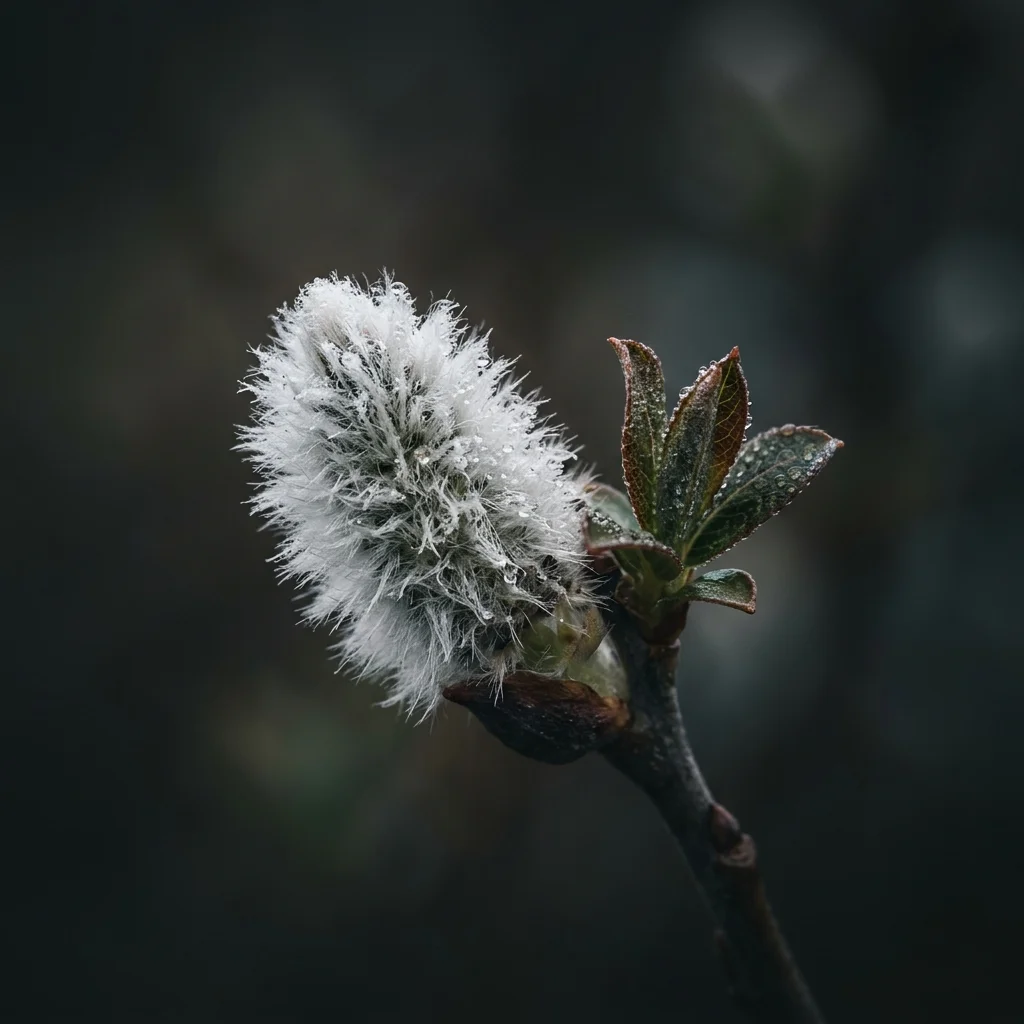
Botanical photography of Arctic Willow (Salix arctica) - Plant AI care database

How to Identify Arctic Willow

Identify Arctic Willow immediately by its highly distinct biological features. Native to its specific ecosystem, it showcases spectacular foliage and structural habits optimized for its environment.

  • Distinctive Features: Creeping prostrate woody mat-like habit, small oval leaves, and upright, fuzzy woolly pinkish-red or yellow catkins.
  • Typical Coloration: Bluish-green oval leaves, fuzzy white and pinkish catkins, and dark creeping woody stems.
  • Potential Confusions: Similar to other dwarf willows, but distinguished by its dense white woolly insulating hairs on the foliage and catkins, and creeping mat-like dwarf size.

11-Step Professional Care & Planting Guide

💧 【Watering & Moisture】 Water moderately to highly. Prefers consistently moist, cool, well-draining mineral gravel. Never allow the roots to dry out entirely.

☀️ 【Sunlight & Exposure】 Requires full direct sun. Extremely adapted to the long summer daylight hours of the polar regions; does not tolerate deep shade.

🪴 【Ideal Soil Mix】 Requires highly acidic, gritty rock humus. Blend 50% granite grit, 30% acid peat moss, and 20% sandy loam (pH 4.5-6.0).

🌡️ 【Temperature & Winter Care】 Cold-hardy champion! Can tolerate polar winters down to -60°C. Highly sensitive to heat; struggles and declines if summer temperatures exceed 22°C.

✂ 【Pruning & Grooming】 Minimal pruning needed. Gently remove dead stems in spring. Allow its creeping, prostrate cushion form to grow naturally over rocks.

🧪 【Fertilization】 Requires very little fertilizer. Apply a tiny amount of diluted acidic organic fertilizer once in early spring.

🏺 【Potting & Garden Planting】 Highly prized for alpine rock gardens or cold-climate rock borders. Plant in extremely gritty, cool rocky beds.

🌱 【Propagation】 Easily propagated by taking softwood or hardwood stem cuttings in spring, or by dividing rooted creeping stem sections.

🐛 【Common Pests】 Watch out for willow leaf beetles and spider mites in dry, hot weather. Spray with organic neem oil.

🦠 【Common Diseases】 Susceptible to rust or powdery mildew if grown in humid, warm, stagnant air. Ensure maximum air movement and cold conditions.

🎓 【Botanist Advice】 **Warning for gardeners:** This plant is extremely intolerant to heat! The roots must remain cool. In warmer garden zones, plant it under the shade of cool granite boulders to preserve root temperature below 20°C.

Frequently Asked Questions

Q: Why does the Arctic Willow grow so low to the ground?

A: It is a brilliant polar adaptation! By creeping as a prostrate mat (1-15 cm tall) under rocks, it avoids the abrasive, freezing arctic winds and utilizes the insulating snow layer for winter warmth.

Q: Is Arctic Willow safe for household pets?

A: No. Like most willows, Salix arctica contains **Salicin** (an organic compound similar to aspirin) in its bark and leaves, which can cause severe salicylate toxicity, vomiting, and kidney distress in cats and dogs.

Q: Why are the catkins of the Arctic Willow so fuzzy?

A: The fuzzy hairs act as a micro-greenhouse! The dense white hairs trap ambient solar heat and shield the delicate reproductive organs from freezing polar winds, raising the catkin temperature by several degrees.

Q: Can I grow this tree in a warm climate?

A: No, it is functionally impossible. Salix arctica is genetically hardwired for arctic and alpine zones; it will rapidly experience physiological collapse and rot in hot, humid, or warm summer climates.

Is your Arctic Willow showing yellow or dry leaves?

Don't let rot or scale pests kill your trees. Upload a photo now to get an instant AI botanical diagnosis and save your forest today!

Diagnose Arctic Willow Now