Bald Cypress Care & Identification Guide
The magnificent Bald Cypress (Taxodium distichum) is a highly spectacular deciduous conifer native to the swampy wetlands and floodplains of the Southeastern United States, celebrated for its unique water-growing habit and gorgeous autumn colors. Uniquely, it drops its soft, needle-like leaves in winter, standing 'bald'. In wet settings, it grows massive woody buttresses and gas-exchanging root structures called 'knees' (pneumatophores) rising above water. It requires swampy, acidic, water-logged soils.





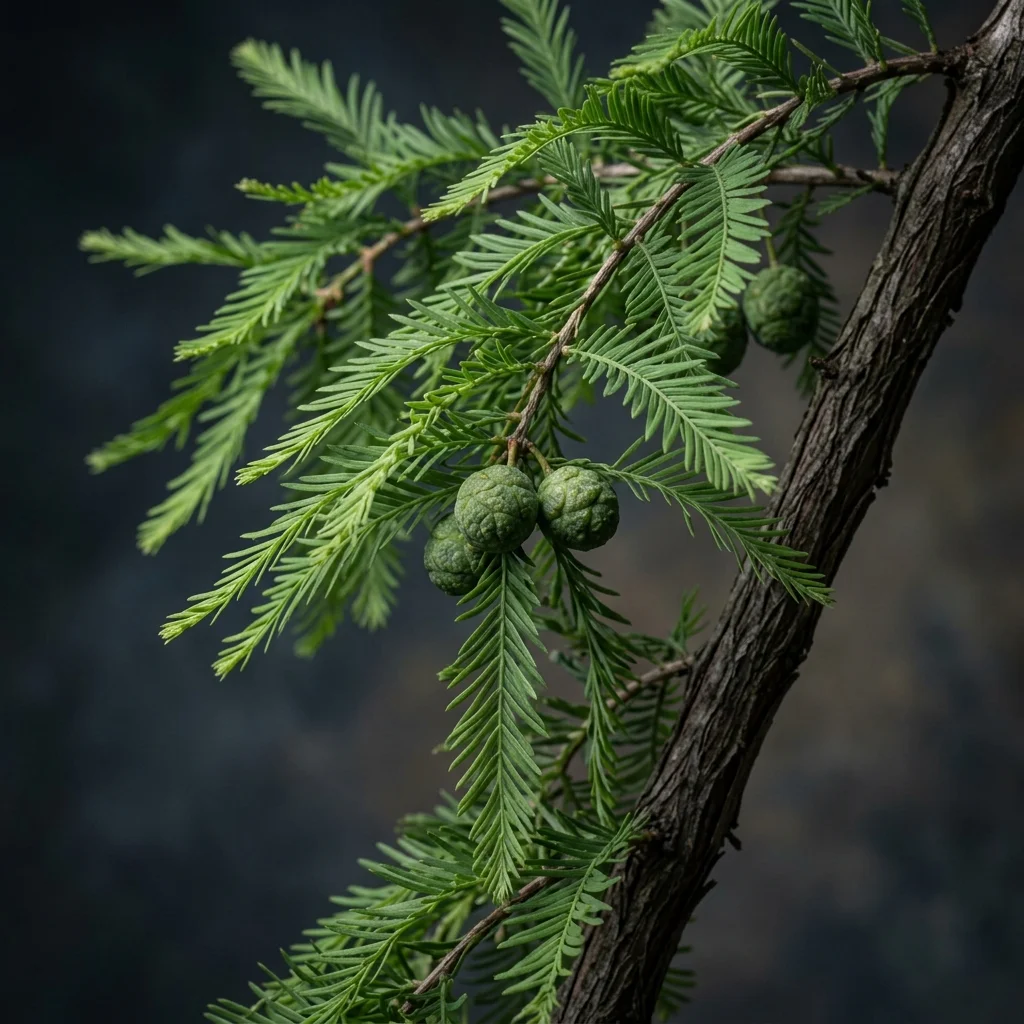
How to Identify Bald Cypress
Identify Bald Cypress immediately by its highly distinct biological features. Native to its specific ecosystem, it showcases spectacular foliage and structural habits optimized for its environment.
-
✓
Distinctive Features: Soft, feather-like flat green needles that drop in winter, with buttressed base trunks and prominent woody 'knees' rising above water.
-
✓
Typical Coloration: Lively bright green in summer, turning to a breathtaking orange-brown or fiery copper-red in autumn.
-
✓
Potential Confusions: Similar to Dawn Redwood, but distinguished by its alternate needle arrangement (Dawn Redwood has strictly opposite needles) and round, globose cones.
11-Step Professional Care & Planting Guide
Frequently Asked Questions
Why is it called 'Bald' Cypress?
Unlike most evergreen conifers, the Bald Cypress is deciduous. It sheds all of its soft, feathery needle-like leaves every autumn, standing 'bald' in winter.
What are cypress 'knees'?
They are woody root structures called pneumatophores that grow vertically above the water or mud surface, helping the roots breathe oxygen in saturated, water-logged swamps.
Is the Bald Cypress safe for pets?
Yes, Taxodium distichum is completely non-toxic and pet-safe for dogs and cats.
Can I grow it in dry, alkaline upland soil?
Yes, but it will grow much slower, will not develop its famous 'knees' or buttressed base, and its leaves may turn yellow from alkaline stress.