Coconut Palm Care & Identification Guide
The magnificent Coconut Palm (Cocos nucifera) is a spectacular and iconic tropical palm native to coastal regions of the Indo-Pacific, celebrated globally for its high salt tolerance, graceful leaning trunk, and versatile drupe fruits. Its massive crown consists of elegant, pinnate bright-green fronds. It acts as a natural halophyte, successfully filtering 99% of sea salt through its specialized root cells. It requires exceptionally well-drained sandy loam, full direct tropical sun, and high moisture.





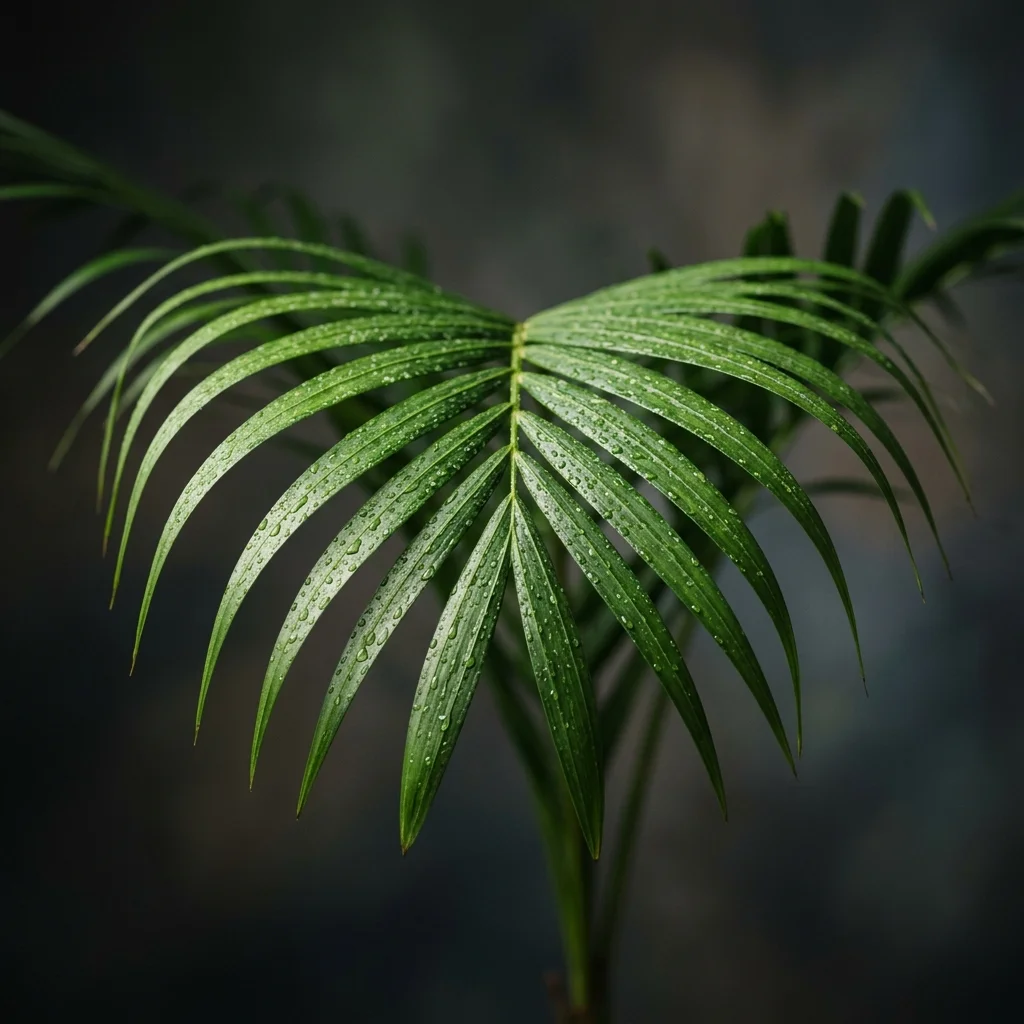
How to Identify Coconut Palm
Identify Coconut Palm immediately by its highly distinct biological features. Native to its specific ecosystem, it showcases spectacular foliage and structural habits optimized for its environment.
-
✓
Distinctive Features: Tall, gracefully curved ringed trunk, crowned with feathery pinnate leaves, bearing massive woody fibrous coconut drupes.
-
✓
Typical Coloration: Vibrant emerald-green leaflets, grey-brown ringed trunk, and bright green to golden-yellow fruits.
-
✓
Potential Confusions: Similar to Queen Palm, but easily distinguished by its heavy ringed, curved trunk and massive fiber-covered drupe coconuts (Queen Palm has a straight trunk and tiny orange fruits).
11-Step Professional Care & Planting Guide
Frequently Asked Questions
Why is my coconut palm leaf tips turning brown and dry?
This is likely due to lack of humidity or low temperatures! The Coconut Palm requires a minimum humidity of 60-70% and temperatures strictly above 18°C. Ensure misting and keep it away from cold winter drafts.
What is Lethal Yellowing and is it curable?
Lethal Yellowing is a highly destructive phytoplasma disease spread by plant hoppers that decimates palm trees. Once symptoms (blackened flower stalks and yellowing fronds) appear, it is generally fatal. Preventative antibiotic injections are used in high-risk zones.
Can I grow a coconut palm indoors permanently?
It is extremely difficult! While young sprouted coconuts are highly decorative, they rapidly decline indoors due to inadequate sunlight intensity, lack of humidity, and strict tropical temperature demands.
Is the coconut tree non-toxic to dogs and cats?
Yes, Cocos nucifera is completely non-toxic and pet-safe for cats and dogs, though chewing on the highly fibrous fronds can cause mild mechanical vomiting.