Colorado Blue Spruce Care & Identification Guide
The magnificent Colorado Blue Spruce (Picea pungens) is a highly spectacular evergreen conifer native to the high rocky slopes of the Rocky Mountains, celebrated globally for its striking silvery-blue color and perfect conical shape. It features stiff, exceptionally sharp needles covered in a powdery waxy layer that reflects light, creating its famous silver-blue hue. Uniquely drought-resistant and cold-hardy, it requires full direct sunlight, well-aerated gritty soil, and moderate watering.





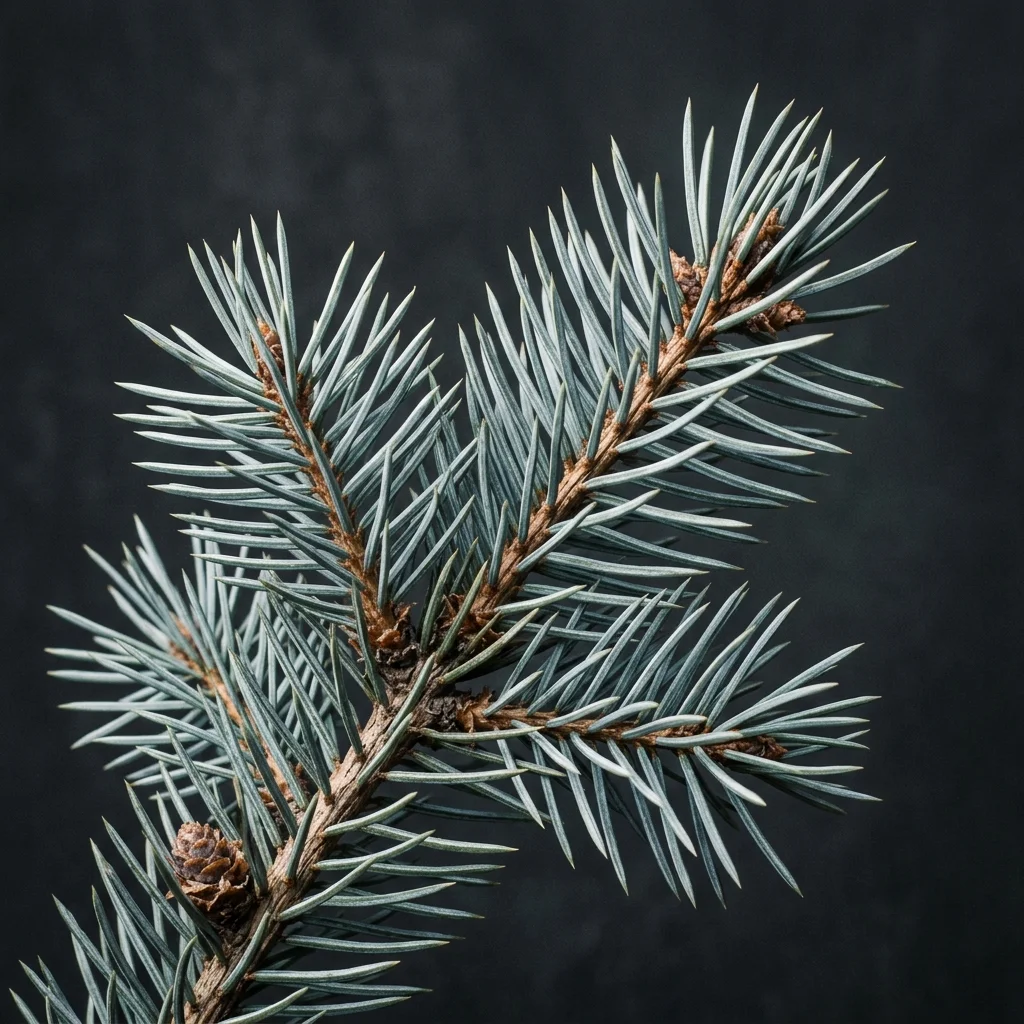
How to Identify Colorado Blue Spruce
Identify Colorado Blue Spruce immediately by its highly distinct biological features. Native to its specific ecosystem, it showcases spectacular foliage and structural habits optimized for its environment.
-
✓
Distinctive Features: Stiff, exceptionally sharp, four-angled needles that radiate in all directions from the twigs, with a prominent silver-blue color.
-
✓
Typical Coloration: Shimmering silvery-blue to frosty emerald-green foliage, with pale brown scaly bark.
-
✓
Potential Confusions: Similar to Engelmann Spruce, but easily distinguished by its much sharper, prickly needles and brilliant silvery-blue color.
11-Step Professional Care & Planting Guide
Frequently Asked Questions
Why is the Colorado Blue Spruce so blue?
The blue color comes from a thick, natural powdery waxy coating (epicuticular wax) on the needles, which reflects blue-light wavelengths and protects against solar burn.
Is the Colorado Blue Spruce safe for pets?
Yes, Picea pungens is completely non-toxic and pet-safe for cats and dogs.
Are the blue spruce needles sharp?
Yes, they are exceptionally stiff, four-angled, and very sharp. Handle with gloves when planting.
Can I grow it in a hot, humid tropical climate?
No, it thrives in cool, dry mountain climates. High heat and humidity cause needle drop and fungal infections.