Common Fig Care & Identification Guide
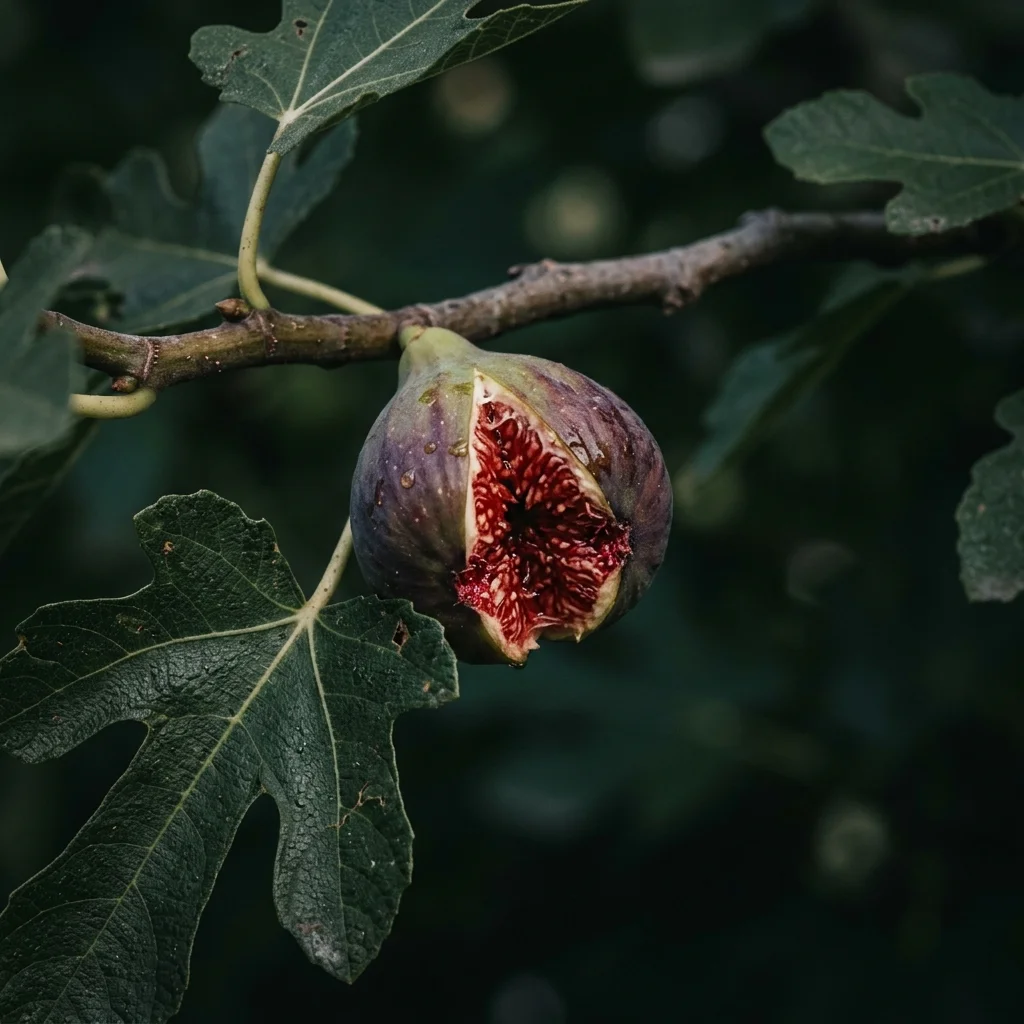
The magnificent Common Fig (Ficus carica) is a highly spectacular deciduous small tree native to the Mediterranean, celebrated globally for its ancient culture, large hand-shaped lobed leaves, and exceptionally sweet, pear-shaped edible fruits that feature a rich red interior. Botanically, the fruit is not a true berry but a Syconium, an inverted fleshy flower structure containing hundreds of tiny internal flowers. It requires well-drained sandy loam, full sun, and moderate watering. Critical Warning: Scraped or broken branches release a milky white sap containing Ficin and Psoralens, which causes skin irritation and is toxic to pets.





How to Identify Common Fig
Identify Common Fig immediately by its highly distinct biological features. Native to its specific ecosystem, it showcases spectacular foliage and structural habits optimized for its environment.
-
✓
Distinctive Features: Large palmately divided 3-5 lobed leaves, unique pear-shaped green-purple fruits (syconiums), and smooth silvery-grey trunk bark.
-
✓
Typical Coloration: Deep green hand-shaped foliage, smooth silvery-grey bark, and green, yellow, or deep purple sweet mature fruits with red flesh.
-
✓
Potential Confusions: Incredibly unique leaf shape and internal fruit structure make it virtually impossible to confuse with other temperate orchard trees.
11-Step Professional Care & Planting Guide
Frequently Asked Questions
What is a Syconium?
It is a botanical marvel! The fig fruit is actually an inverted flower receptacle called a syconium. The tiny flowers grow entirely inside the hollow cavity, unseen from the outside, requiring a specialized wasp for pollination in wild varieties.
Is the Fig tree safe for pets?
No, Ficus carica is highly toxic to dogs, cats, and horses. The milky latex sap contains the proteolytic enzyme Ficin and phototoxic Psoralens, causing skin dermatitis, drooling, vomiting, and diarrhea.
Why are my figs dropping off before ripening?
This is usually caused by sudden environmental stress! Drought, waterlogged roots, insufficient sunlight, or excessive nitrogen fertilizer can shock the tree and cause premature fruit drop.
Can I grow a fig tree in a cold climate?
Yes! Choose cold-hardy cultivars (like Chicago Hardy) and plant them against a south-facing brick wall, or grow them in containers that can be rolled into a garage for winter protection.