Quercus suber

Cork Oak Care & Identification Guide

The magnificent Cork Oak (Quercus suber) is a highly spectacular evergreen oak native to the Mediterranean basin, celebrated globally as the primary source of commercial cork. It grows a massive, horizontal canopy carrying small, spiny, evergreen leathery leaves. Uniquely, it produces an incredibly thick, spongy bark made of cork cambium, which can be harvested every 9-12 years without harming the tree. It requires fast-draining gritty sand-loam, full direct sun, and dry summers.


Sunlight Icon
Sunlight Full Sun
Watering Icon
Watering Low
Soil Mix Icon
Soil Mix Sandy Loam
Temperature Icon
Temperature -10°C to 35°C
Toxicity Warning Icon
Toxicity Non-toxic
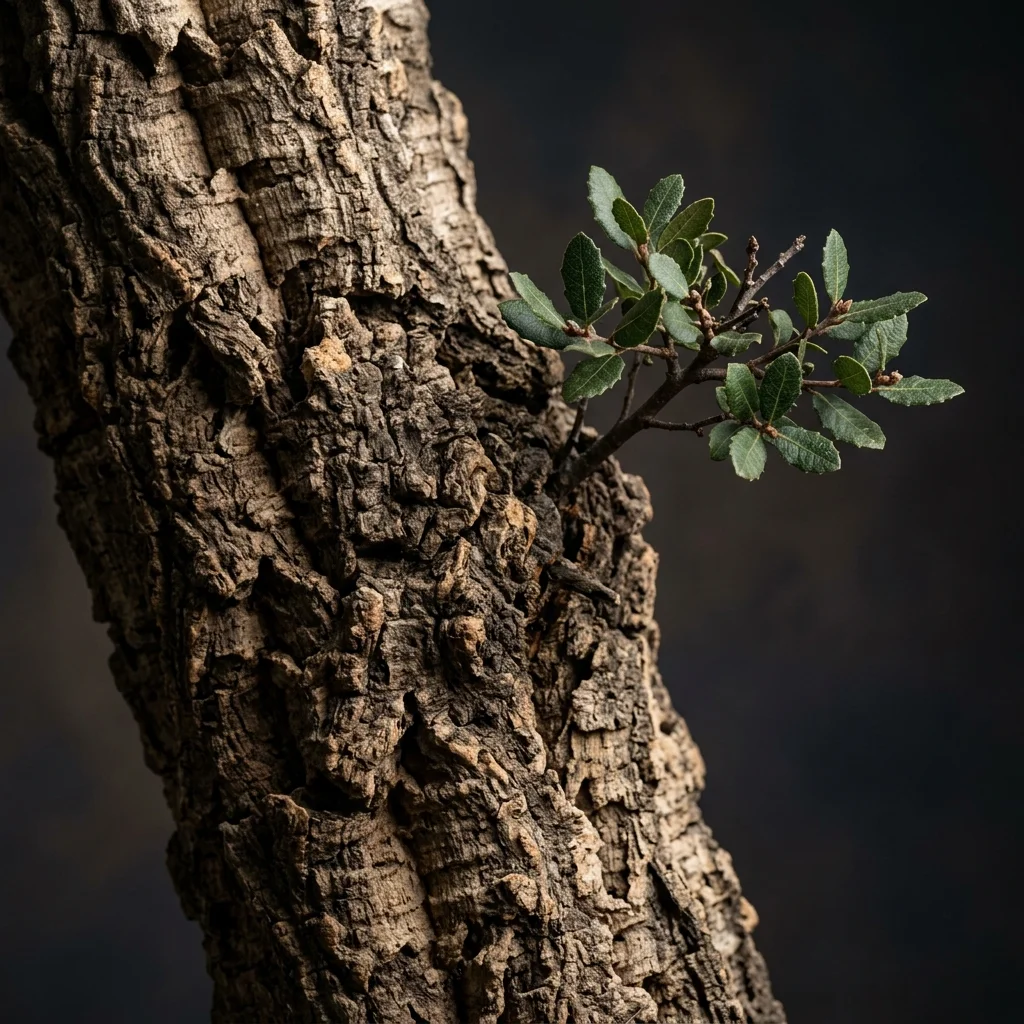
Botanical photography of Cork Oak (Quercus suber) - Plant AI care database

How to Identify Cork Oak

Identify Cork Oak immediately by its highly distinct biological features. Native to its specific ecosystem, it showcases spectacular foliage and structural habits optimized for its environment.

  • Distinctive Features: Thick, deeply furrowed, spongy greyish-brown cork bark on the trunk, and small, spiny, evergreen leathery leaves.
  • Typical Coloration: Deep glossy grey-green foliage with pale woolly leaf undersides, and charcoal-red bare trunks after cork harvest.
  • Potential Confusions: Similar to Holly Oak, but instantly distinguished by its thick, spongy, compressible cork bark.

11-Step Professional Care & Planting Guide

💧 【Watering & Moisture】 Water sparingly. Once established, it is extremely drought-tolerant. Water deeply once a month in hot summers; avoid root sogginess.

☀️ 【Sunlight & Exposure】 Requires full direct sun. Needs intense, dry summer heat to optimize cork bark thickness and density.

🪴 【Ideal Soil Mix】 Requires gritty, exceptionally fast-draining sandy loam. Blend 50% coarse sand, 30% sandy loam, and 20% organic compost (pH 5.5-7.0).

🌡️ 【Temperature & Winter Care】 Mild cold-hardy (USDA Zone 8-11). Thrives in warm, dry summer climates. Protect young trees from freezes below -10°C.

✂ 【Pruning & Grooming】 Prune in late winter to remove weak branches and shape the broad horizontal crown. Let the cork bark develop naturally.

🧪 【Fertilization】 Apply a light organic feed in early spring. Mulch with composted leaf mold under the drip line. Avoid chemical fertilizers.

🏺 【Potting & Garden Planting】 Plant in deep sand. Dig a wide hole twice the root ball, plant in loose sand-loam, stake firmly, and water deeply.

🌱 【Propagation】 Propagated easily from fresh acorns in autumn. Plant immediately; they germinate rapidly without winter stratification.

🐛 【Common Pests】 Watch for gypsy moths or oak leaf miners. Spray manually with neem oil or organic insecticidal soap.

🦠 【Common Diseases】 Susceptible to root rot if soil is compacted and waterlogged. Porous sandy soil is essential.

🎓 【Botanist Advice】 The Cork Oak is a scientific marvel! It produces commercial cork that is harvested ecologically. Plant it in dry, sandy, sunny spots and enjoy its incredible, spongy bark!

Frequently Asked Questions

Q: How is cork harvested without killing the tree?

A: Cork is harvested from the outer bark only! The thick, spongy cork layer is gently stripped off using special axes, leaving the inner bark and living cambium completely unharmed to grow new cork.

Q: Is the Cork Oak safe for household pets?

A: Yes, Quercus suber is completely non-toxic and pet-safe.

Q: How often can you harvest cork bark?

A: Every 9 to 12 years! It takes this long for the tree to regrow a thick, high-quality, spongy cork layer ready for commercial bottling use.

Q: What soil does it prefer?

A: A highly porous, nutrient-rich sandy loam. It hates heavy, compacted clay soils which block root oxygen.

Is your Cork Oak showing yellow or dry leaves?

Don't let rot or scale pests kill your trees. Upload a photo now to get an instant AI botanical diagnosis and save your forest today!

Diagnose Cork Oak Now