Cercis canadensis

Eastern Redbud Care & Identification Guide

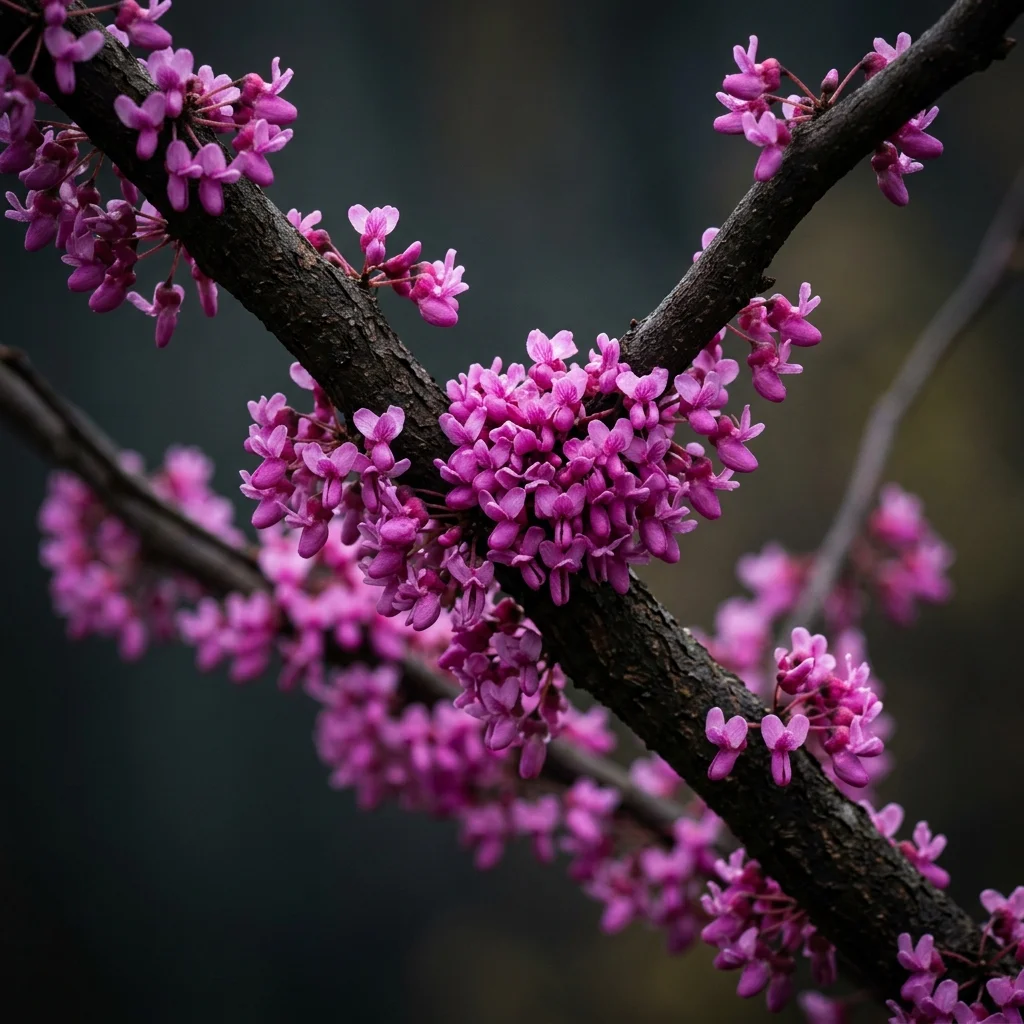
The magnificent Eastern Redbud (Cercis canadensis) is a highly spectacular deciduous small tree native to Eastern North America, celebrated globally for its unique botanical phenomenon of cauliflory, where tight clusters of tiny, pea-like magenta-pink flowers burst directly from bare branches and mature tree trunks in early spring. Following this spectacular bloom, it grows large, heart-shaped green leaves. It requires rich well-drained acidic soil, partial shade, and moderate watering.


Sunlight Icon
Sunlight Morning Sun & Afternoon Shade
Watering Icon
Watering Moderate
Soil Mix Icon
Soil Mix Acidic Loam
Temperature Icon
Temperature -30°C to 28°C
Toxicity Warning Icon
Toxicity Non-toxic
Botanical photography of Eastern Redbud (Cercis canadensis) - Plant AI care database

How to Identify Eastern Redbud

Identify Eastern Redbud immediately by its highly distinct biological features. Native to its specific ecosystem, it showcases spectacular foliage and structural habits optimized for its environment.

  • Distinctive Features: Cauliflory display of tiny pea-like magenta flowers bursting directly from bare branches, and elegant heart-shaped leaves.
  • Typical Coloration: Magenta-pink spring blossoms, rich green leaves, and a spectacular bright golden-yellow autumn display.
  • Potential Confusions: Incredibly unique foliage and flower arrangement make it virtually impossible to confuse with other native spring bloomers.

11-Step Professional Care & Planting Guide

💧 【Watering & Moisture】 Water moderately. Keep soil consistently moist but never soggy. Deeply irrigate once a week in dry summers; avoid spraying water on the foliage.

☀️ 【Sunlight & Exposure】 Requires morning sun with dappled afternoon shade. Dislikes intense, direct midday heat, which scorches the heart-shaped leaves.

🪴 【Ideal Soil Mix】 Prefers deep, rich, organic, well-draining acidic soil. Blend 50% organic loam, 30% peat moss, and 20% perlite (pH 5.5-6.5).

🌡️ 【Temperature & Winter Care】 Cold-hardy (USDA Zone 4-9). Protect root zone with a thick layer of organic mulch. Dislikes dry, scorching wind.

✂ 【Pruning & Grooming】 Prune only in late winter to remove dead or crossing limbs. Maintain its natural, elegant layered horizontal branching pattern.

🧪 【Fertilization】 Apply a slow-release organic balanced fertilizer in early spring. Mulch the drip line with composted leaf mold.

🏺 【Potting & Garden Planting】 Plant under larger shade trees. Dig a wide, shallow hole twice the root ball, backfill with acidic loam, and mulch deeply.

🌱 【Propagation】 Propagated by softwood cuttings in early summer, or by seeds requiring 90 days of cold stratification.

🐛 【Common Pests】 Watch out for leafrollers or caterpillars. Spray manually with organic neem oil or insecticidal soap.

🦠 【Common Diseases】 Susceptible to cankers, verticillium wilt, or leaf spot. Ensure excellent air circulation and avoid compacted soils.

🎓 【Botanist Advice】 The Eastern Redbud is a true understory masterwork that loves acidic, organic mulch! Keep lawnmowers away, as trunk wounds provide easy entry for fatal canker fungus.

Frequently Asked Questions

Q: What is cauliflory?

A: It is a rare botanical wonder! Cauliflory is the physiological phenomenon where flowers and fruits develop directly from the mature wood, trunks, and branches of a tree, rather than from new shoots.

Q: Is the Eastern Redbud safe for pets?

A: Yes, Cercis canadensis is completely non-toxic and pet-safe for cats and dogs.

Q: Why are the leaves shaped like hearts?

A: This is its signature botanical feature! The leaves of Eastern Redbud are perfectly heart-shaped (cordate), opening soft green in late spring after the magenta flowers fade.

Q: How fast does it grow?

A: It grows moderately, about 1 to 2 feet per year, forming a beautiful multi-stemmed small tree reaching 20-30 feet tall.

Is your Eastern Redbud showing yellow or dry leaves?

Don't let rot or scale pests kill your trees. Upload a photo now to get an instant AI botanical diagnosis and save your forest today!

Diagnose Eastern Redbud Now